




A Solar Turning Point for Gilgit Baltistan
For years, the populace of Gilgit Baltistan has endured a power crisis that is not abstract, but rather personal. The absence of electricity not only results in a darkened room, but also in the closure of a store, a postponed clinic visit, a missed online class, and another night of costly fuel burning for a few hours of illumination. This is the reason the federal government’s decision to implement a free solar panel program in the region is significant. It represents a transition from impermanent solutions to a strategy that has the potential to transform daily life, provided that it is implemented with diligence and integrity.
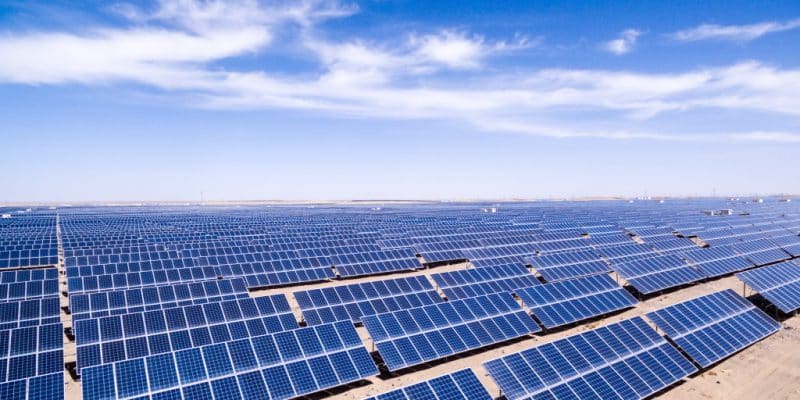
The commitment to distribute 147,873 solar panels at no cost to eligible households and small and medium enterprises, in addition to the formal inauguration of a 58.8 MW solar project, is a significant announcement. It is a substantial public commitment that affects technology-related workstations, clinics, workshops, schools, and residences that rely on consistent power. The concept is straightforward: reduce the pressure on an already overburdened system, reduce reliance on vulnerable supply lines, and locate generation in close proximity to the individuals who require it.
Decentralised solar can be an advantageous solution in regions where geography renders each kilometer of grid expansion both costly and challenging
Solar systems of up to 3 KW are available to domestic consumers under the program. On paper, this can accommodate basic domestic necessities, including illumination, phone charging, ventilation, a television, and in certain instances, a small refrigerator, contingent upon usage. Even a modest and consistent supply can result in fewer losses and extended operating hours for small businesses. It can entail the provision of reliable lighting, fundamental apparatus, and a method to maintain services during power disruptions for schools and clinics. This is not merely an energy project; it is a development project that has the potential to increase productivity and confidence in communities if executed effectively.
Muhammad Shehbaz Sharif has positioned this initiative as an enduring solution to the energy requirements of the region, and that claim should be regarded as a benchmark rather than a slogan. A free distribution program can be historically significant; however, it may also be wasteful if the selection process becomes politicized or if systems fail prematurely. The government’s strategy to process applications through an online portal and district offices, with approval based on technical assessment and merit, is a positive step in the correct direction.
However, transparency is not merely a portal; it is a set of defined criteria, public listings of recipients, a mechanism for appealing decisions, and independent checks that ensure the fairness of district-level decisions
Additionally, there is a practical aspect that warrants greater consideration than speeches. Nighttime demand, winter peaks, and protracted cloudy periods cannot be resolved by solar panels alone. In order to utilize the power at the most critical moments, numerous households will require secure wiring, high-quality inverters, and batteries. The scheme should specify the contents, exclude the contents, and provide instructions on how to maintain the system without being exploited. Whether this program is a sustainable solution or a brief period of exhilaration that is followed by damaged equipment and frustration will be determined by the training of local technicians, the establishment of installation standards, and the provision of straightforward safety guidance.
Equity is an additional critical concern. Eligibility regulations must safeguard low-income households, remote villages, and tenants, who are frequently overlooked in large-scale initiatives. The program could potentially exacerbate distrust if it is designed to provide free panels exclusively to individuals with strong connections or to regions that are already better served. A fair plan should strike a balance between technical readiness, accessibility, and need.
Additionally, it ought to contemplate public areas. The entire community, including individuals who do not obtain a solar system at home, benefits when schools, clinics, and small enterprises are supplied with dependable solar power
The environmental argument is compelling; however, it should not be employed as an excuse to circumvent difficult inquiries. In vulnerable mountain ecosystems, cleaner energy is a distinct advantage over diesel generators and hefty fuel consumption. Nevertheless, solar technology has a lifespan. Over time, batteries and panels will lose their functionality. The government should establish quality benchmarks to prevent the premature failure of low-grade imports and prepare for their appropriate disposal and recycling at this time. This initiative should also be concerned about end-of-life management if it is sincere about the environment.
This initiative has the potential to revolutionize Gilgit Baltistan, not due to the popularity of solar energy, but rather because it alters the planning capabilities of the populace. It has the potential to facilitate digital labor, local commerce, healthcare, and education. It has the potential to alleviate the tension of uncertainty and the daily cost of living. However, the success of the project will be contingent upon the following: a fair selection, reliable apparatus, expert installation, ongoing support, and public reporting that enables citizens to observe the distribution of funds and panels. The government can be remembered as a historic step toward energy self-sufficiency if it regards those details as the actual work, rather than just another announcement that faded after the cameras departed.

