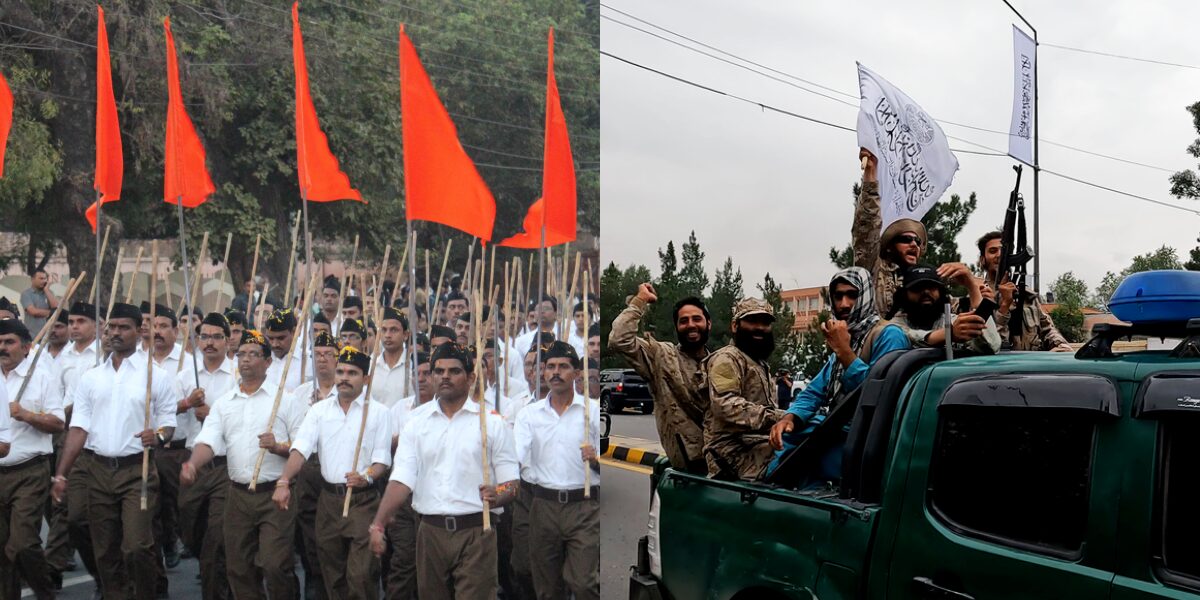
Afghanistan and India are often talked about in Pakistan as two sides of the same coin, not because they are the same kind of state, but because many Pakistanis feel their actions end up producing the same outcome: sustained pressure on Pakistan. This perception did not appear in a vacuum. It has been shaped by years of insecurity, bitter diplomacy, and a cycle in which violence happens first, and explanations come later. When the public sees repeated attacks, followed by denials and counterclaims, it starts looking less for courtroom proof and more for patterns. In that atmosphere, suspicion becomes the default, and every new incident feels like confirmation of an old fear.
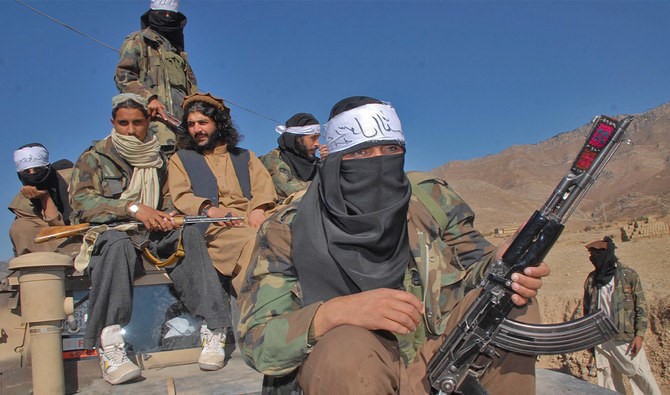
A central element of this Pakistani view is the allegation that Afghan territory has provided space for militant groups hostile to Pakistan. The point is not that every act of terrorism inside Pakistan can be blamed on Kabul; it cannot. The point is that geography and capacity matter. Afghanistan has endured decades of war, which has weakened institutions and fractured control over remote areas. In such conditions, it is easier for armed groups to find hiding places, recruit, and move.
When Pakistani officials say fighters cross the frontier, strike, and slip back, they are describing what many border communities believe they are living through. Even when exact details are disputed, the sense of vulnerability is real
From the Afghan side, the response is usually that Afghanistan itself has suffered immensely, that it cannot be held responsible for every armed actor operating on its soil, and that Pakistan has its own internal problems. That argument has weight. No country that is struggling to police remote districts, control weapons flows, and unify competing power centers can claim perfect control. But Pakistan’s frustration is also understandable. For a neighbor dealing with repeated attacks, “we cannot control everything” sounds less like an explanation and more like an admission that the threat will continue. The debate then moves from intent to obligation: even if Afghanistan is not directing violence, it is still expected to deny sanctuary, share actionable information, and act decisively against groups that plan attacks across the border.
India enters the discussion through rivalry and deep distrust. In Pakistan’s political and media discourse, a common accusation is that New Delhi provides political cover, diplomatic support, intelligence help, or funding to anti-Pakistan networks. India rejects such claims and points to its own experience with militant violence, along with its stated preference for economic connectivity. Yet the Pakistani suspicion persists because India is also seen as active in shaping international opinion in ways that keep Pakistan under pressure. When Pakistan is portrayed globally as the main source of instability, many Pakistanis read it as more than criticism. They see it as a strategy that pairs diplomatic isolation with internal destabilization, so Pakistan is forced to defend itself on multiple fronts at once.
That is why the situation is often framed in Pakistan as a double squeeze. On the ground, there is the immediate fear of attacks and infiltration. In global forums, there is the slower pressure of narratives that treat Pakistan as permanently suspect. Together, these dynamics drain attention and resources. They pull the state toward constant crisis management, which can crowd out reforms, investment planning, and basic service delivery.
And when a country is stuck reacting, rivals do not even need to win decisively. They only need to keep it off balance
The China factor has raised the stakes further. Attacks on Chinese nationals and on projects linked to the China-Pakistan Economic Corridor are not just tragedies; they are signals. Whoever carries them out is not only targeting lives, but they are targeting confidence, investment, and the idea that development can change the region’s trajectory. Many Pakistanis interpret the repeated focus on Chinese interests as an attempt to tell the region, and the wider world, that economic progress must wait, that stability must be postponed, and that Pakistan is too risky to partner with. As the blunt reading goes, “This is a clear message that the dream of development and stability in the region must be put on the back burner.” Whether one accepts every part of that interpretation or not, the impact is undeniable: insecurity scares capital, delays projects, and deepens public anxiety.
The fallout does not stop at Pakistan’s borders. Central Asian states that sit near Afghanistan and rely on regional routes have a direct interest in calm. Trade corridors, energy pipelines, and transit projects depend on predictable security, not episodic violence. When Pakistan is unstable, and Afghanistan remains uncertain, the map of opportunity shrinks.
Shipping becomes slower and more expensive. Insurance premiums rise. Investors pick safer markets. Extremist networks also ignore borders, so what begins as a local security crisis can spread into a regional one
There is also a quieter battlefield: information warfare. Pakistan argues that it faces coordinated efforts across media, diplomacy, and lobbying to keep it under constant pressure. Some criticism of Pakistan is fair because internal governance failures and past policy mistakes are real. But modern conflict often works by amplifying weaknesses, framing every incident as proof of a permanent identity, and denying a country the benefit of change. In that environment, a rumor can outpace facts, and a narrative can become more durable than reality.
The hard question is how long Pakistan can remain a target, and how long the region can tolerate proxy logic without paying a wider price. History suggests that politics built on proxies and pressure rarely stays contained. Armed groups fracture, agendas shift, and violence spills back on those who once thought they could manage it. Pakistan, for its part, cannot respond with anger alone. It needs stronger border management, smarter policing, financial disruption of militant networks, and reforms that reduce recruitment space at home. At the same time, it must keep diplomatic channels open with Kabul and New Delhi, however difficult that may be, because isolation is not a plan. Peace and development will only come when states respect sovereignty, stop enabling non-state actors, and choose cooperation over confrontation.