
Afghanistan as Regional Terrorism Hub
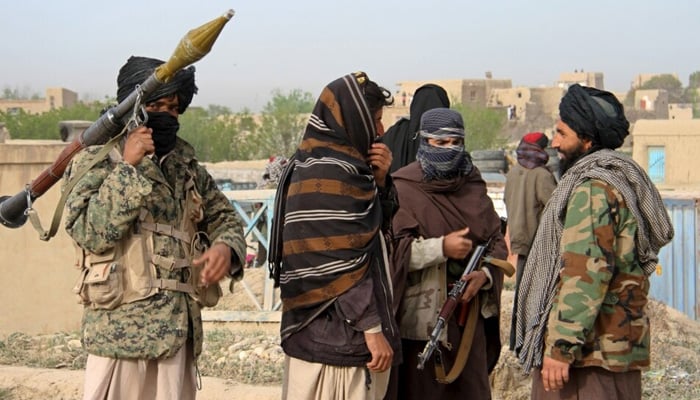
Afghanistan is sliding back into a role the region knows too well: a permissive base for militants, smugglers, and recruiters who treat borders as suggestions. When outside powers talk about “stability” under Taliban rule, they usually mean fewer front-line battles inside Afghanistan. But a quiet interior does not equal safety for neighbors. What matters is what flows outward: fighters, weapons, drugs, money, and ideas. On that score, the trend line is ugly, and the recent violence along the Tajik frontier makes the point with brutal clarity.
Late 2025 delivered a wake-up call that was impossible to ignore. On November 26, a drone attack launched from Afghan territory struck a Chinese-linked site in Tajikistan, killing three Chinese nationals. Days later, another attack tied to the same border belt killed two more Chinese workers, pushing the toll to five dead and five injured in under a week.
These were not random crimes. They showed planning, access to equipment, and an ability to move, stage, and strike across a hard mountain boundary
January 2026 brought more proof that the border has become a pressure point rather than a line of control. Tajik authorities reported that four armed infiltrators crossing from Afghanistan were “neutralized” after resistance, with recovered weapons and gear pointing to an organized movement. Days after that, Tajik border guards clashed with armed smugglers coming from Afghanistan, seizing large quantities of narcotics along with weapons and equipment. Taken together, these incidents map a corridor where militant violence, trafficking networks, and illicit finance blend into one operating environment.
That is why Tajikistan is now leaning harder on external security umbrellas. Reports in early February 2026 said the Russia-led Collective Security Treaty Organization was finalizing weapons and equipment support for Tajik border forces amid rising clashes. Separate reporting also described Tajik talks with Russia and the CSTO about stepped-up border support after the attacks that killed Chinese nationals. When a small state asks for a heavier kit and outside help, it is not theater. It is an admission that the threat is outrunning current capacity.
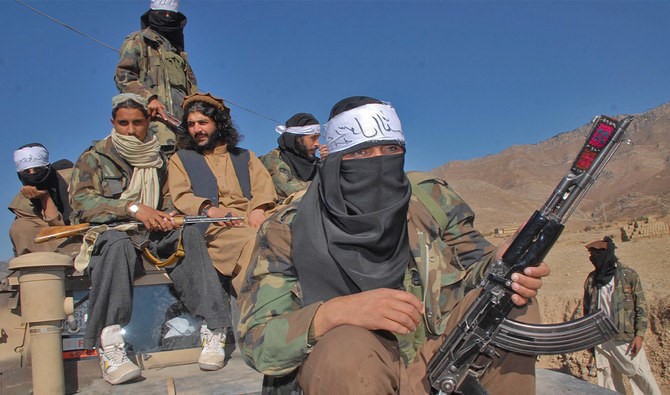
The Taliban’s standard defense is denial: no terrorist groups operate in or from Afghanistan, and Kabul is improving security. The United Nations Monitoring Team says that the claim is not credible. It reports that more than 20 international and regional terrorist organizations remain active in the country, including Al Qaeda, Tehrik e Taliban Pakistan, ETIM or TIP, the Islamic Movement of Uzbekistan, and Jamaat Ansarullah, with many maintaining workable relations with the Taliban.
It also warns that the Taliban have absorbed some former fighters from various terrorist groups into local security forces, a choice that creates exactly the kind of infiltration risk neighbors fear
Numbers matter because they show scale. The same UN report estimates Islamic State Khorasan at about 2,000 fighters, notes a growing Central Asian element in its ranks, and highlights recruitment of about 600 volunteers mainly from Tajikistan and Uzbekistan, with some sent onward toward Europe. It assesses Tehrik e Taliban Pakistan at around 6,000 fighters inside Afghanistan and describes Taliban shelter and facilitation for its leadership and operations. Even the report’s caution that precise counts are hard to obtain is telling. Ambiguity helps armed groups. It also helps anyone who wants plausible deniability.
This is not only about guns and bombs. It is also about the kind of society the Taliban are building and exporting. There is serious concern, backed by reporting, that Afghanistan’s education space is being reshaped into an ideological pipeline. Taliban linked statements and coverage cite the construction of nearly 23,000 Islamic education centers over recent years.
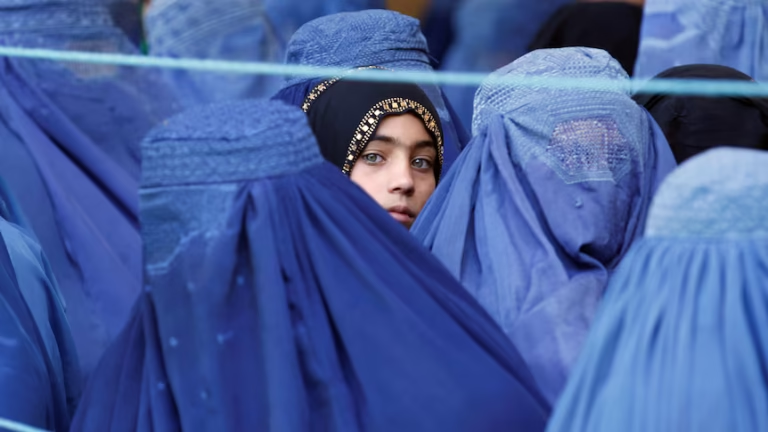
Pair that with the systematic exclusion of women and girls from normal education and work, and you get a population pushed into poverty, isolation, and grievance, exactly the conditions extremist recruiters exploit
The spillover is already visible in the targets. Chinese nationals and projects have become attractive, high-impact symbols for militants who want attention and leverage, as the Tajik attacks illustrate. Central Asian states face infiltration and trafficking along long, rugged borders, with narcotics networks providing cash and logistics that can also serve terrorist activity. Pakistan and Iran deal with their own variations of the same outward push, from militant sanctuaries to smuggling routes, and the UN report flags the regional security consequences of these dynamics.
That brings us to the policy trap: normalization without conditions. Recognizing or fully engaging the Taliban while terrorist infrastructure remains intact does not buy peace; it buys time for armed networks to adapt. Engagement should be transactional and testable: verifiable action against camps, facilitators, financing, and cross-border movement, plus genuine cooperation on investigations like the Tajik cases. Regional states should coordinate intelligence sharing, border operations, and financial tracking, because no single border force can outmuscle a transnational ecosystem. And the United States and Europe should not pretend distance equals immunity. The UN report is explicit that threats from Afghanistan can be regional and beyond.

