

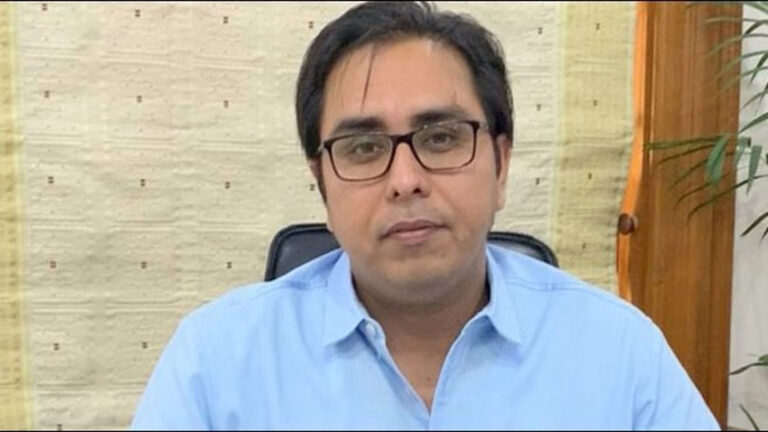
Inside the KPK House Meeting
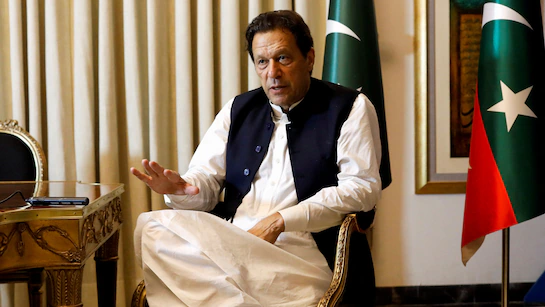
The second notable aspect of the KPK House meeting was the significant decline in PTI’s internal messaging discipline. This matter transcends mere attribution of statements or the rejection of specific proposals. It pertains to the conduct of a party while it is under duress. During a crisis, the most effective organizations consolidate, have a unified stance, and advance together. Weakened factions begin to operate as isolated entities, each endeavoring to safeguard its own interests while certain that it is advancing the overarching cause. This gathering elucidated the prevailing atmosphere, clarifying the party’s fluctuating street energy, which fails to provide a definitive political outcome.
Reexamine the medical check-up problem, focusing on the aspect of trustworthiness. When the public learns that no one could attend because of Aleema Khan’s rejection of the government’s proposal, many individuals do not inquire if the proposal was equitable. They pose a more straightforward inquiry: who has authority? If the party is unable to oversee access, attendance, and the health verification of its leading figure, how can it effectively manage mass mobilization, negotiations, or legal strategies? Supporters begin to question, not due to their affection for the administration, but because of their aversion to confusion. A competent leadership would have addressed this via a structured process: a designated delegation, a definitive list of mutually approved physicians, a formal request for openness, and a public declaration that eliminates any potential for speculation.
The narrative that unfolds is one of personal gatekeeping. While it may appease a limited inner group, it undermines the broader cause
This contributes to the subsequent move, dispatching MPAs to attract more individuals while containing demonstrations inside KPK. There is no issue with exerting pressure in your most robust province. A protest encompasses more than mere magnitude. It pertains to the aim. To demonstrate determination, the party must define the parameters of success. Is it judicial relief, access to Khan, an electoral timeframe, or a political agreement? Individuals cannot maintain sacrifice for an undefined objective. When MPAs are instructed to increase attendance without a defined objective, they will resort to expedient measures. They will obstruct thoroughfares, direct people towards critical areas, and use noise to demonstrate allegiance. This generates headlines, but also provokes reaction, as regular folks see themselves as penalized for a conflict they did not initiate. PTI cannot continue to feign astonishment as public dissatisfaction escalates.
The third problem, involving Achakzai and Raja Nasir sequestering themselves inside parliament, illustrates a different kind of disarray. It is the conviction that symbolic resistance inside the system may supplant organization outside it. Parliamentary drama may be advantageous when integrated into a broader campaign. However, when leadership is required for mobilization, vanishing within the building seems like a withdrawal. It may even seem like self-defense. Employees observe and emulate the actions of their leaders rather than their spoken directives.
When leaders conceal themselves inside organizations while anticipating that employees confront law enforcement outside, the ethical balance is disrupted. Once the moral equation disintegrates, allegiance devolves into simple habit, and habits may swiftly perish
The discourse around Iqbal Afridi introduces a dimension of personal psychology that PTI must regard with gravity. It is appropriate to be advised to refrain from harsh words and provocative behavior. The party cannot attain legitimacy while permitting its representatives to communicate like street fighters. However, retreating to parliamentary lodges as a reaction implies another interpretation: he may feel affronted, he may want to evade accountability, or he may be attempting to indicate that discipline is being enforced just upon him. Regardless of the motivation, the result remains the same. It indicates separation. If an individual is reluctant to adhere to the party line, this should be confronted immediately. Quiet disengagement transforms into a source of speculation. Rumors subsequently evolve into factional narratives. Factional narratives then transform into overt sabotage, often masquerading as allegiance.
The discussion around trolls represents the most pressing threat to PTI, since it is an issue the party can rectify if it had the determination. Digital harassment does not constitute activism. It is an inexpensive kind of entertainment with political branding. When party-aligned accounts disparage leaders, label individuals as traitors, and use derogatory language, they contaminate the internal atmosphere. They also deter respectable individuals who may like to enter politics but are unwilling to endure public vilification. Moreover, this troll culture indoctrinates the group to conflate violence with fortitude. The most vocal individuals influence decision-making, since leaders fear backlash from their own constituents. Thus, a movement forfeits its intellect while retaining merely its clamor.
The insistence that Barrister Gohar make autonomous choices is not a personal endorsement; rather, it is a structural need. A political party requires an operational leadership hierarchy. If every choice is subject to veto by informal players, then individuals cannot plan, negotiate, or communicate with certainty. It becomes an incessant exercise in speculation.
When leaders continue to speculate, employees persist in adapting. Improvisation can secure a rally victory. It cannot prevail in a prolonged political conflict
The caution on Sohail Afridi becoming Ali Amin Khan 2.0 essentially serves as a warning about PTI’s propensity to cultivate strongmen within its ranks. When internal discipline deteriorates, a vociferous loyalist fills the void. He embodies the voice of indignation. He also becomes a problem, since he prioritizes personal bravado above strategic considerations in the party’s politics. If PTI fails to regulate its own aggressive members, it will continue to generate individuals who become untouchable until they precipitate a catastrophe, after which everybody will feign ignorance of its emergence.
Ultimately, the misinformation about Khan’s health serves not only as propaganda but as a trial. If PTI is unable to effectively address a claim as severe as lifelong loss of vision by a unified legal and public strategy, it indicates a lack of strength. The party needs to initiate legal proceedings against those disseminating such assertions, particularly if they are repeated by state officials. However, it must also rectify its communication. A vacuum encourages imagination. Verified updates, accountable representatives, and a coherent message are essential requirements. They provide the essential prerequisites for political survival.
The KPK House meeting succinctly revealed a party contending on two fronts: against the administration and against its own disarray. The first front is anticipated. The second is discretionary. The most significant challenge to PTI at present extends beyond mere repression. The tendency to allow internal ego, unchecked trolling, and ambiguous objectives to undermine public support is prevalent. To restore trust, it must cease seeing discipline as an affront and begin to perceive it as the only path to victory.

