
Sectarian Unity and National Stability
At moments of regional tension, the real strength of a nation is tested not only at its borders but within its society. Pakistan today faces exactly such a moment. The ongoing Iran-Israel conflict and tensions along the Pakistan-Afghanistan border have naturally stirred emotions among the public. People feel anger, anxiety, sympathy, and uncertainty when they see violence, instability, and the suffering of fellow Muslims in the region. These emotions are human and understandable. Yet history shows that when public emotion is not guided by wisdom, patience, and responsibility, it can be manipulated by forces that do not want peace for Pakistan. In such circumstances, sectarian unity is not a secondary matter. It is central to national stability, public order, and the country’s ability to respond effectively to a sensitive regional environment.
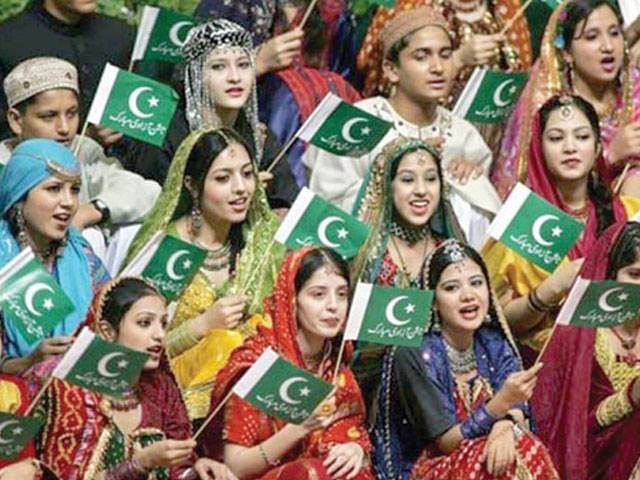
Pakistan is a diverse country with different schools of thought, religious traditions, and political opinions. This diversity has always existed, and it need not be a weakness. In fact, when handled with maturity, it can be a source of resilience. The danger begins when differences of opinion are turned into sectarian confrontation. That is exactly what hostile elements and extremist networks seek to achieve. They understand that they cannot easily weaken Pakistan if its people remain united, but they also know that internal division can do more damage than external pressure. Sectarian discord creates confusion, distracts institutions, damages social trust, and opens the door to violence.
At a time when Pakistan must remain alert on diplomatic and security fronts, no responsible citizen can allow internal fractures to grow in the name of emotional reaction
This is why sectarian unity is the strongest defense against those who want to exploit regional conflicts to create instability inside Pakistan. External conflicts should never be allowed to become internal fault lines. Pakistanis may hold passionate views about international events, and they have every right to express solidarity with oppressed people and concern about injustice. But there is a difference between principled concern and reckless agitation. When protests lose discipline, when slogans become inflammatory, or when one sect is pitted against another in the name of religious identity, the result is not support for any noble cause. The result is harm to Pakistan itself. And once internal harmony is damaged, it becomes much easier for extremist narratives to take hold.
Religious scholars have a particularly important role in this moment. Leaders from all sects must speak with one voice on one basic principle: violence in the name of solidarity is a betrayal of national peace. If the language of the pulpit becomes responsible, if sermons emphasize patience, restraint, and Muslim unity, then the wider public will be less vulnerable to manipulation. Scholars must make it clear that Islam does not permit chaos, hatred, or the targeting of fellow citizens under the excuse of political anger. Islam teaches unity, justice, and patience in times of trial. It calls for wisdom, not provocation; for order, not disorder.
A message of peace delivered jointly by scholars across sectarian lines would send a powerful signal that no external conflict can be imported into Pakistan’s streets in a way that divides its people
Peaceful civic expression is part of a healthy society, but peaceful means peaceful. Emotional reactions to international events must remain within the boundaries of law and responsibility so that Pakistan’s internal stability is not compromised. A protest that remains calm, disciplined, and non-sectarian reflects democratic maturity. A protest that turns violent or sectarian becomes a tool for those who want to weaken the state and radicalize the public. This distinction is crucial. Pakistan cannot afford to let legitimate public sentiment be hijacked by agitators whose real purpose is to create confrontation. Sectarian harmony ensures that demonstrations do not become platforms for extremist mobilization. It keeps public expression connected to moral concern rather than political sabotage.
National cohesion also has direct consequences for Pakistan’s diplomatic credibility and security posture. A divided country speaks weakly abroad and stands uneasily at home. A united country, by contrast, gives its institutions the confidence and legitimacy needed to pursue diplomacy, manage border concerns, and maintain calm. When the world sees that Pakistan remains internally stable despite a turbulent regional environment, its diplomatic position becomes stronger. When adversaries or hostile propagandists see that Pakistanis refuse to be divided along sectarian lines, their efforts lose force. Unity is not only a moral virtue; it is a strategic necessity.
It tells the world that Pakistan is capable of managing pressure without descending into internal conflict
Internal peace also allows the state to focus on its actual priorities. Border security, regional diplomacy, and national order all require attention, resources, and public confidence. If sectarian tensions erupt inside the country, the state is forced to divert energy toward containing domestic unrest. That weakens the national response at a time when clarity and focus are essential. By preserving harmony at home, Pakistan gives itself the space to protect its borders, maintain law and order, and support diplomatic solutions to regional crises. This is why unity is not a slogan for difficult times; it is a policy of survival and strength.
The responsibility, however, does not rest only with institutions, scholars, or political leaders. Ordinary citizens must also reject language and behavior that inflames sectarian identity. Social media users, community leaders, students, and local organizers all have a role to play. Every rumor shared without verification, every sectarian insult, every call for anger without restraint adds fuel to a dangerous fire. In contrast, every calm voice, every appeal for patience, and every act of solidarity across sectarian lines strengthens the country. A united Pakistan denies space to hostile narratives that seek to transform international conflicts into domestic divisions.
Pakistan’s greatest shield in times of regional crisis is not noise, anger, or reckless passion. It is unity anchored in peace. Sectarian harmony protects the social fabric, strengthens the state, and upholds the Islamic values of patience and brotherhood. At a time of emotional turbulence in the region, Pakistan must send a clear message to friends and foes alike: external conflicts will not be allowed to divide its people, weaken its institutions, or turn its streets into arenas of sectarian confrontation. National stability begins with internal peace, and internal peace begins when Pakistanis stand together above every sectarian divide.

