

The Feb 15 Match Happened on Pakistan’s Terms
Pakistan didn’t blink first. In a world where cricket boards often cave under televised pressure and political fire, Islamabad and the Pakistan Cricket Board elected to regard the February 15 match as a matter of principle rather than a fixture. The decision to withdraw from the India game was never about a single game; it was about setting a precedent: if a member board can be replaced, threatened with fines, and then quietly ordered to “take the loss,” the whole concept of equal membership becomes farce. Pakistan’s attitude compelled the International Cricket Council to go from hand-waving to written pledges, and it drove everyone in the room to accept that “the spirit of cricket” is useless without enforced justice.
The catalyst was Bangladesh’s reluctance to go because of security concerns associated with playing in India during this tournament cycle, a move that swiftly became an ICC issue when Bangladesh was replaced. Pakistan’s government then expressed sympathy, and the boycott threat struck where it stings the most: the showcase match that the ICC markets to the world. According to Reuters, the meetings in Lahore comprised the Bangladesh Cricket Board and the International Cricket Council, and Bangladesh’s replacement sparked a larger argument about penalties and compensation.
Pakistan recognized a fundamental reality that administrators prefer not to admit: the India-Pakistan game is more than “just sport” in the ICC’s commercial model; it is the tournament’s financial backbone
What is striking about Pakistan’s position is that it did not seem to be a tantrum, but rather negotiating based on norms and reciprocity. The main request was simple: no financial penalties for Bangladesh, and a clear make-up in the shape of future hosting rights or an extra ICC tournament. These are not unreasonable expectations; they are corrective measures designed to avoid a chilling impact. If boards fear they will be penalized for declining to go on security grounds, they will either take unnecessary risks or begin playing politics via back channels. By insisting on concrete results, Pakistan compelled the ICC to explain its penalties policy and provide Bangladesh a future event commitment, which numerous sources reported as part of the settlement.
This is where the term “legal” is important. Cricket governance consists of participation agreements, hosting contracts, conflict resolution systems, and income sharing. When Pakistan refused, it was basically saying: produce the papers, demonstrate the safeguards, and prove that a smaller board would not be financially harmed for a choice it claims is based on safety. Pakistan did not need to win a courtroom drama; it needed to win a procedural struggle, the type that would influence how the ICC responds the next time a member board declines a trip.
Dawn cited the ICC’s promise that Bangladesh will suffer no financial, sporting, or administrative penalties, which is precisely the kind of written clarity that this institution often avoids until compelled
The diplomatic layer was also important, since this dilemma intersected with sport, state policy, and host country responsibilities. According to reports, the settlement entailed negotiations outside of cricket offices, including a phone call between Prime Minister Shehbaz Sharif and Sri Lankan President Anura Kumara Dissanayake, with Sri Lanka hosting the match in Colombo. That is important since Pakistan’s original argument was based on safety and neutrality, and the final compromise maintained the conflict in Sri Lanka rather than on symbolic grounds. The goal was not to “punish” India, but to maintain a route for cricket to continue when politics impede direct travel.
Critics would argue that Pakistan relented since the match is back on. That interpretation ignores how power operates in talks. Pakistan utilized the one lever that the ICC cannot readily replace: the legitimacy and economic importance of the rivalry, to secure safeguards for Bangladesh and prevent a punitive narrative from becoming policy. The Washington Post characterized the situation simply, observing that “a weeklong impasse ended on Monday,” when key leaders arrived in Lahore for negotiations. The standoff was resolved not because Pakistan became bored, but because the opposing side eventually gave conditions that Pakistan could defend at home and in the larger cricket world.
There is also a moral argument here that merits consideration. Pakistan’s sympathy with the Bangladesh Cricket Board was not free. A forfeit would have resulted in lost points and a competition marred by administrative walkovers. Reuters and other sites underlined the competitive and financial consequences that the ICC worried about if the fixture failed.
Pakistan’s ultimate decision to participate, after obtaining guarantees, might be seen as a two-part strategy: first, demand accountability, and secondly, safeguard the tournament. That is not a weakness; it is a matter of sequencing
Nonetheless, no one should pretend this was a clean triumph for cricket. The fact that it needed brinkmanship to achieve fundamental justice reveals something gloomy about contemporary administration. When the Pakistan Cricket Board can only ensure that a fellow member is not punished by threatening the most important match on the calendar, the system is already broken. The ICC should not require a crisis to clearly and quickly state how it handles safety-related withdrawals, replacements, and compensation. A rules-based order that comes only when TV money is at danger is reactive rather than rules-based.
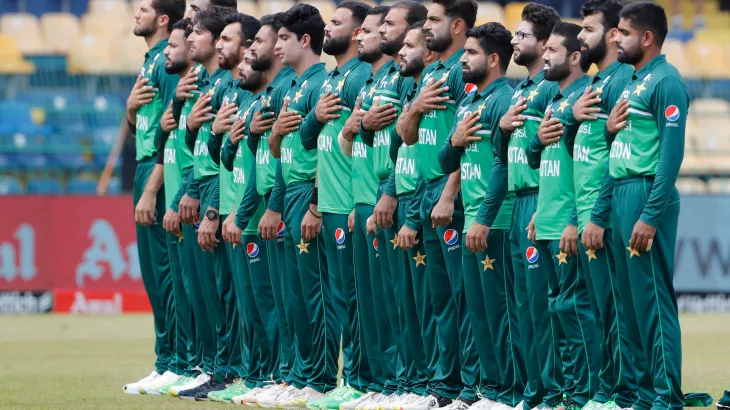
On February 15, Pakistan and India will walk out, and the cameras will zoom in as if this were always going to happen. However, the actual match has already occurred in conference rooms and phone conversations, with Pakistan unwilling to regard Bangladesh as collateral damage. Pakistan stood firm long enough for the ICC to document its findings, commit to solutions, and abandon its propensity to condemn the weaker side. Then Pakistan returned to the field, not because principle had evaporated, but because it had finally been accepted in terms that the system could not simply reverse.

