

Diplomacy, Development, and Dialogue in the Middle East
 Diplomacy, Development, and Dialogue in the Middle East
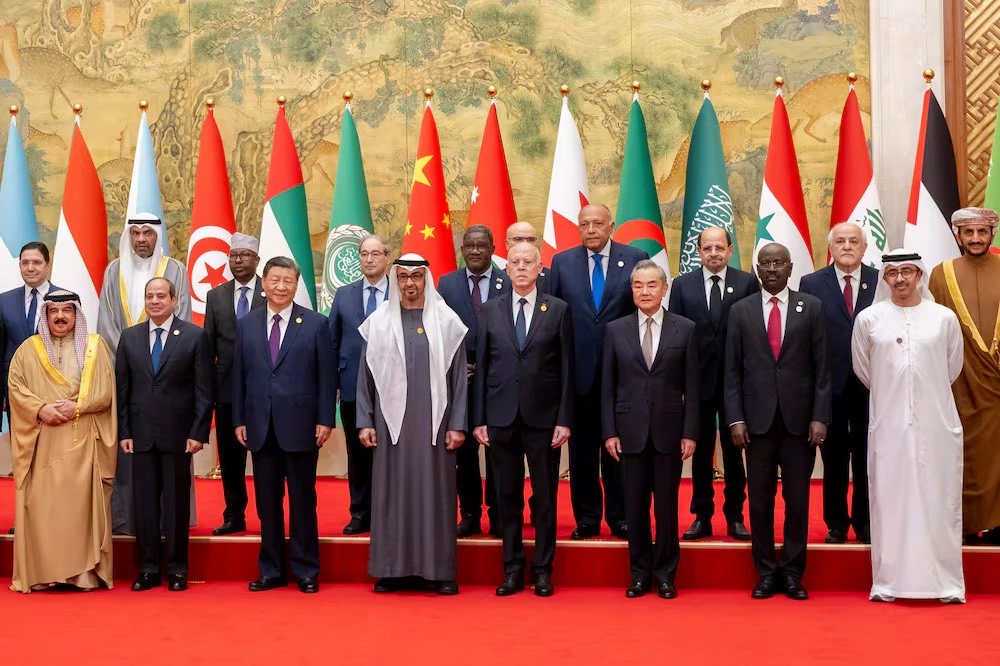
When it comes to world diplomacy, China is now playing a major role in the Middle East, creating a fine web of influence and mediation that reflects its overall plans. In this case, diplomacy is obvious when we look at the Iran-Egypt talks against the background of the IAEA’s visit and the planned visit of Chinese President Xi Jinping to Egypt. As the world pays attention, Beijing’s way of promoting talks between Tehran and Cairo shows that China aims to play a bigger role in international peace and demonstrates that the Middle East is now vital to China’s global ambitions.
It is an important change that comes in a region where disputes, rivalries, and past mistrust are common. Since 1979, after the Iranian Revolution, Iran, which is mostly Shia and has a theocracy, and Egypt, one of the Arab countries run by a Sunni government, have experienced many strained moments in their relationship. Common interests in the region and the economy haven’t always kept the two countries from being a part due to different political views and alliances. On the other hand, the latest actions show that adversarial relations may be starting to shift and both sides desire positive engagement. The region involved in these talks is vital for China’s BRI, so Beijing is not by accident participating to ensure this region stays stable for its plans and energy needs.
Being a neutral facilitator is a key part of China’s diplomacy, which depends on sticking to non-interference and respect for national sovereignty. China’s way of handling the region differs from that of Western nations, many of whom are recognized as interfering or biased, which attracts those who prefer independent action. As such, Beijing contributes to the talks between Iran and Egypt by practicing friendly diplomacy, doing careful mediation, and pushing for cooperation in business and infrastructure to improve political ties. This way of managing foreign policy goes in line with China’s objective of ensuring peace and economic progress, rather than creating conflicts based on ideology.
China and Russia are making these steps now because the IAEA is visiting Iran to discuss Tehran’s nuclear activities. The IAEA being active in the region brings new challenges, since it influences the security of many countries, such as Egypt. Egypt’s worry over Iran’s nuclear ambitions matches the same concern of many other Arab nations, who are afraid of an arms race leading to disruption in the region. Thus, taking part in these talks, China helps ensure that fears are addressed and both parties talk openly, which sets the stage for a peaceful solution to the nuclear situation.
When Xi Jinping visits Cairo, it increases the importance of China’s diplomatic efforts. Apart from improving ties between China and Egypt, the trip signals to the region that China is fully committed to being involved in the Middle East. Xi is likely to bring up many issues, including cooperation in economy and trade, issues of security, and ways to share cultures. Notably, Xi’s trip to Cairo gives a chance for China to reinforce itself as a helpful and cooperative partner in the region. At the same time, its moves show how China aims to have more say not only in business but in politics and security too.
Xi Jinping’s visit is expected to top what happened in the Iran-Egypt talks and prove that China is dependable at dealing with longstanding issues that others could not resolve. The presidential visit is set to let people from different parts of the world understand that China is invested in shaping the future of the Middle East. For China, seeing things differently like this becomes important since it aims to handle its relationships with Iran and Saudi Arabia as the region is influenced by many alliances and rivalries.
It shows how Beijing uses many approaches in its work as seen by the IAEA’s visit, the China-Iran dialogue, and Xi Jinping’s visit to Cairo. China’s strategy mixes soft power, its economic strength, and patience to maintain good relations with all the parties it deals with. In this way, China’s strategy shows the key to its global policy, which is to offer up rival methods to peace and development.
In addition, these developments show that China’s foreign policy can involve more than just economic aspects. Even though economic interests continue to play a major role in China’s activities, the present diplomatic plans exhibit a more advanced and extensive strategy in the Middle East. By influencing politics, taking part in solving conflicts, and encouraging joint discussions, Beijing is gaining credibility on the world scene.
But there are always dangers for China when it tries to manage its international relations. Since the Middle East region has many historical issues, divisions between sects, and competing powers, China always risks losing its standing and interests if it makes the wrong move. It is necessary to deal with Iran’s tensions with U.S. friends in the region while maintaining a good relationship with Egypt and Arab states by being very careful and involved. China may find it difficult to be accepted as an impartial mediator because of the continuing conflicts in the region.
Despite these difficulties, what matters is that Beijing is leading the talks in Iran-Egypt and will visit Egypt during the watch of the IAEA and President Xi’s upcoming trip to Cairo. In this way, the strategy makes sure political, economic, and security aspects are all part of a complete approach to international relations. As the Middle East sees increased Chinese involvement, it indicates how China wants to contribute to global diplomacy in the future by means of peaceful discussions, strong alliances, and accepting challenges that large Western nations have traditionally handled.
China’s approach during the Iran-Egypt talks, the IAEA stop, and Xi Jinping’s visit to Egypt highlights a major development in how Beijing interacts with the world. Rather than just watching from the sidelines, China is taking a leading role and dealing well with the Middle East’s political complications for the benefit of its interests. It adds to regional stalemate and changes the structure of international relations, making China’s perspective heard with even more authority.

