

Fighting Terror in 2026
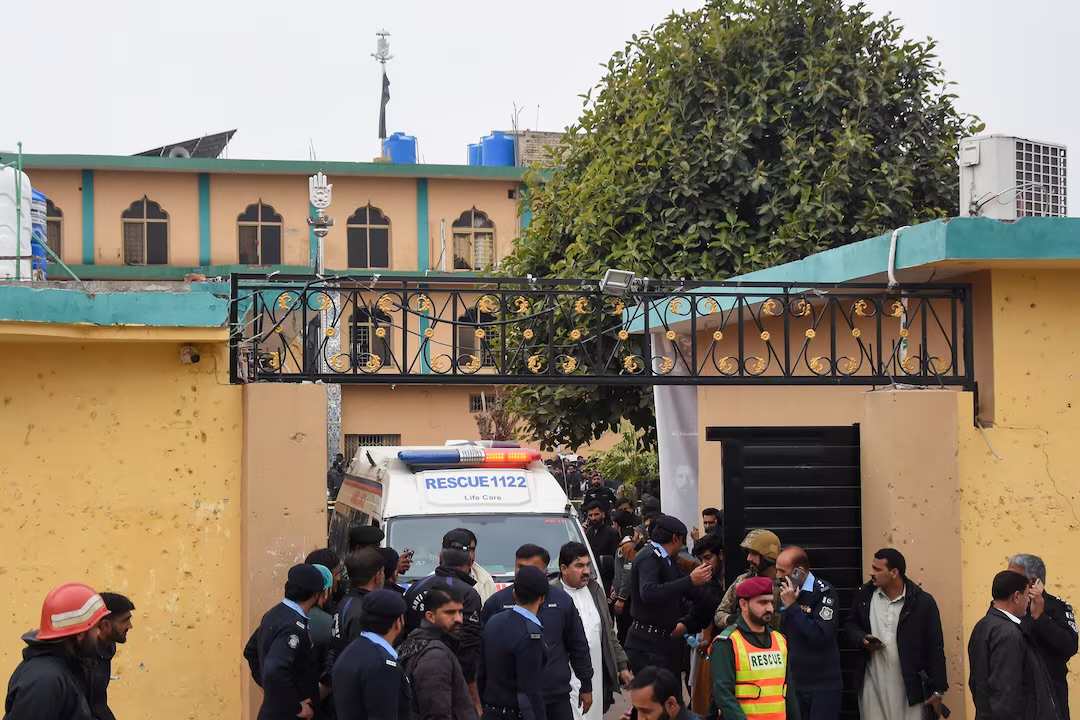
The suicide explosion at the Khadija al Kubra imambargah in Islamabad on February 6, 2026, was not merely another tragic headline; it was a clear indication that Pakistan’s terrorist threat landscape is once again in flux. According to reports, the bomber detonated inside the building during Friday prayers, resulting in the deaths of at least 31 individuals and the injuries of numerous others, following gunfire at the gate. The intention of the extreme cruelty of targeting worshippers in a sacrosanct space is not only to cause death, but also to erode trust between citizens and the state, and to exacerbate sectarian wounds that Pakistan has been attempting to heal for years.
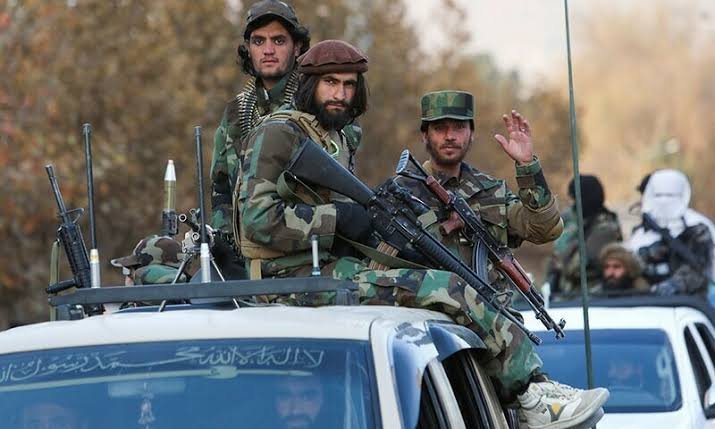
It is also difficult to disregard the chronology and the broader pattern. In recent years, Pakistan has experienced a resurgence of violence, and a significant number of Pakistanis attribute this increase to the security vacuum and terrorist mobility that ensued after the Taliban’s seizure of Afghanistan. Pakistani officials publicly asserted that there were connections to Afghanistan in the Islamabad case; however, Afghan authorities denied this assertion.
The strategic logic is evident, even if every operational detail is not resolved on the first day: Pakistan incurs the cost in blood, particularly in areas that should be the safest, when borders are permeable and armed groups are able to train, recruit, and finance
This is the point at which the discourse within Pakistan becomes more political and more incisive. India denied the allegation of Indian involvement in the Islamabad explosion, which was made by Pakistan’s defense minister. These accusations are perceived by a significant number of Pakistanis as part of a more extensive narrative of regional proxy competition, in which violence is employed to impede Pakistan’s economic and political recovery and to maintain the state in a state of crisis. In South Asia, proxy warfare is not a fantasy; it is a method with a long history. Critics contend that blaming external actors can become a simple script, but supporters counter that it is not. It is still reasonable to assert that Pakistan must conduct investigations based on evidence rather than slogans, as credibility is a weapon in contemporary conflict, despite the fact that the truth may not neatly fit into either camp.
Religious scholars and community leaders play a unique role in situations such as this, and their statements are significant because terrorists desire a sectarian response. The National Message of Peace Committee, a coalition, condemned the attack and portrayed the perpetrators as enemies of Islam and Pakistan. They emphasized the importance of unity with the state in the face of what they referred to as the Fitna of the Khawarij and foreign-backed treachery. The language in question is not merely rhetoric.
It is an endeavor to deny terrorists the religious protection they desire and to convey to ordinary Pakistanis, particularly those who are lamenting, that the moral community is on their side, rather than on the side of those who murder worshippers
However, condemnation alone is insufficient to prevent the deployment of explosives. Pakistan’s security forces have demonstrated their ability to disrupt cells and eliminate assailants, and the government frequently announces operations against terrorist networks. Recent reports regarding Pakistan’s broader violence indicate that counter operations are still in progress, in addition to ongoing assaults. This serves as a reminder that tactical success does not necessarily result in strategic tranquility. Large death counts for terrorists in 2026 are referenced in certain official and pro-official narratives. In order to persuade skeptics both domestically and internationally, it is imperative that these figures be substantiated by transparent information, including the locations of operations, the networks that were targeted, the evidence that links facilitators to planners, and the measures being implemented to prevent retaliatory attacks such as the one in Islamabad.
The more challenging issue is that enemy organizations are capable of adapting. They recruit from communities that are strained by unemployment, anger, or dread, and use cheaper methods, as well as shift routes. They also capitalize on the disarray of information. Under such circumstances, Pakistan requires a security strategy that is not solely kinetic. However, the state must also safeguard civic space, enhance prosecution, and fortify local policing to ensure that counterterrorism is not exclusively a military narrative. This includes targeting groups such as the Islamic State Khorasan-aligned networks, Al Qaeda remnants, and violent separatist outfits like the BLA.
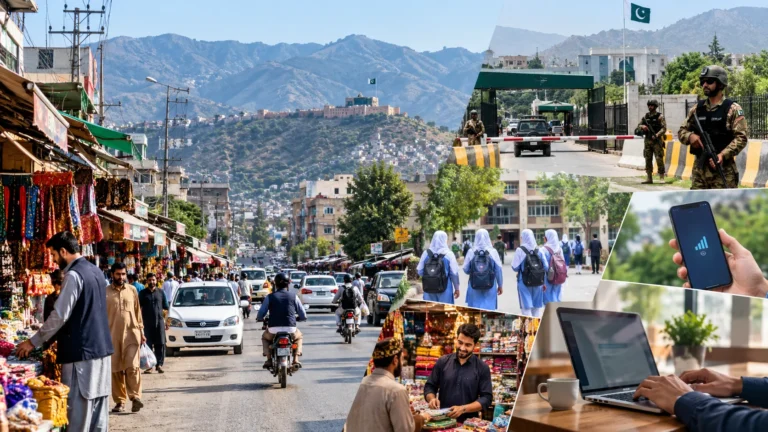
The public desires both safety and the restoration of a normal life, in which schools, markets, and mosques are not regarded as potential explosion zones
This is also the point at which the diaspora information war becomes a genuine concern. By portraying Pakistan as irredeemable or by amplifying hostile narratives with certainty they would never risk inside the country, certain overseas commentators, including prominent YouTubers and self-styled analysts, build audiences. That does not render every critic a traitor; however, there is a distinction between critique and agenda. Honest criticism is essential. People cease to be commentators and begin to behave like partisans in a conflict when they disregard civilian suffering in Islamabad while simultaneously rushing to absolve terrorist ecosystems or treat every claim from Pakistan as a falsehood while swallowing every claim against it.
Censorship should not be Pakistan’s initial response to this issue. Competence in conjunction with substantiation is the superior response. Investigate promptly, publish what is permissible, prosecute in public, and communicate consistently. The space for poor faith narratives decreases when the state’s narrative is robust and verifiable. The Islamabad assault was met with international condemnation, including at the United Nations, which underscores the fact that the world acknowledges the human cost, even in the face of contested regional politics. Pakistan should not employ this attention to win arguments online, but rather to establish genuine collaboration against financing, travel, and recruitment networks that transcend national borders.
The terrorists’ desire is for Pakistanis to experience feelings of isolation, division, and exhaustion. The public response, which ranges from blood donation campaigns to religious leaders uniting, demonstrates that Pakistan is capable of denying them that victory. When it manifests as practical solidarity, unity is not merely a slogan. This includes Sunni and Shia individuals safeguarding each other’s places of worship, citizens providing support to the families of victims, and institutions refusing to use sectarian suffering as a political tool. The individuals who orchestrated the Islamabad attack will have accomplished the opposite of their objective if Pakistan can combine that unity with disciplined investigations, accountable security operations, and unambiguous messaging that is based on evidence.

