
Kishtwar, Charred Bodies, and the Cost of Silence
 Screenshot
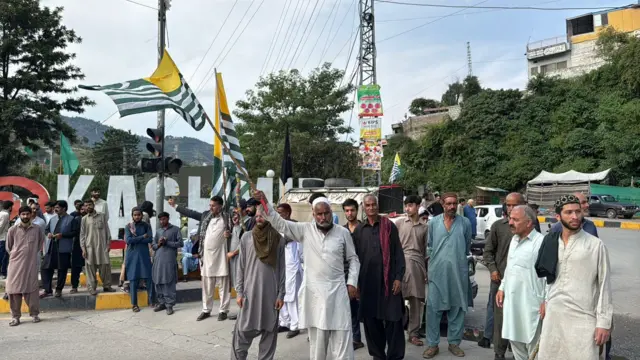
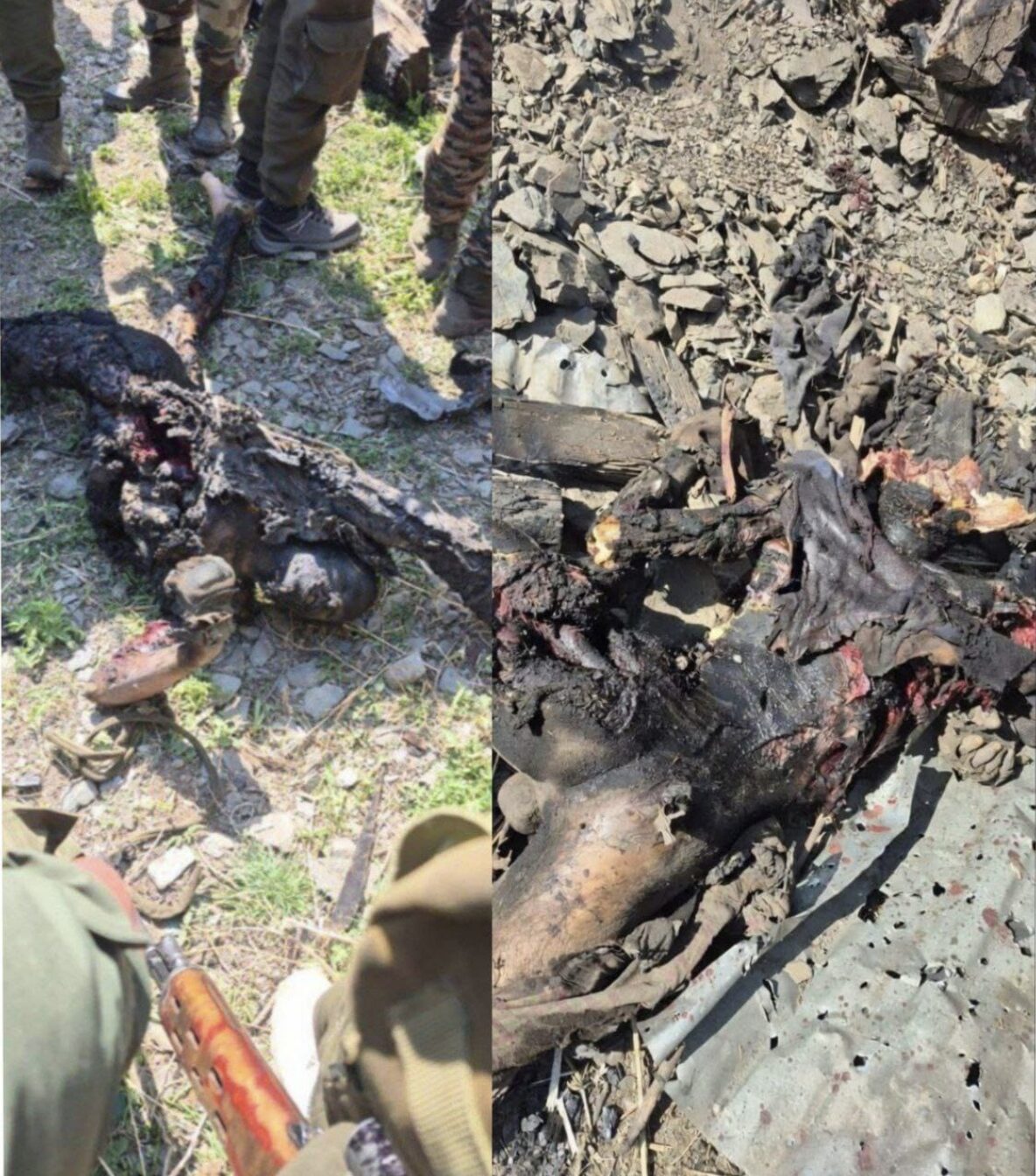
Kishtwar has made headlines again, and the truth is being squashed between a rifle barrel and a megaphone. When corpses are found burnt, families claim their kids were innocent, and the government maintains they were militants, the first casualty is usually clarity. The second is trust. According to Indian media reports, security forces killed accused Jaish-e-Mohammad members in Kishtwar and subsequently discovered burnt remains at the scene. However, on the ground, residents hear a different tale, one that includes reports of poisons, chemical agents, and corpses that have been burned beyond recognition. Those accusations need consideration, not because every claim is necessarily genuine, but because the penalty of ignoring potential war crimes is insurmountable.
If chemical weapons were employed, it was not a rash police decision; it was a boundary drawn by the world after immense suffering that it swore not to cross again. Chemical agents are meant to intimidate, punish, and turn the air itself into a weapon. Even suspicions of such usage should result in an independent, forensic inquiry, since chemical exposure leaves evidence in survivors’ tissue, soil, clothes, and lungs.
If the state believes it has behaved legitimately, it should welcome impartial verification. If it refuses, people will assume the worst, and in Kashmir, assumptions travel quicker than facts since concealment has been the norm
The underlying issue is that the state has created a system in which responsibility is optional, and sadness is seen as a security threat. Kashmiris have lived for decades under layers of checkpoints, raids, detentions, and policies that give military personnel tremendous powers. That type of authority, when not accompanied by open scrutiny, promotes misuse. It also provides a perverse incentive: if you can classify a deceased teenager as a militant, you can close the case, control the narrative, and go on. The charred corpse serves as a handy endpoint since a body that has been burned beyond recognition cannot talk, be accurately photographed, be readily recognized, or be autopsied neatly if the operation is delayed or limited. Even when the government says the deceased were militants, the public has the right to know how and why the remains were burnt.
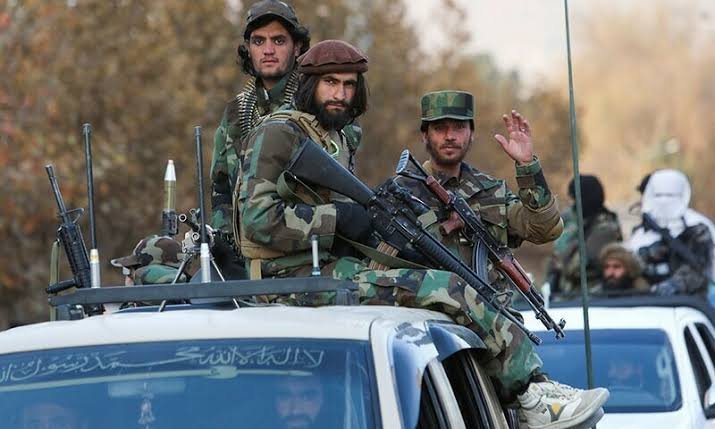
This is where the term “best friends of the Taliban” comes across as a two-edged allegation. On the one hand, it mocks the hypocrisy of individuals who claim to preserve civilization while condoning, if not rationalizing, behaviors that resemble collective punishment. On the other hand, it highlights a propaganda habit: if Kashmiris want rights, dignity, or due process, they are pushed into a pre-made box branded terrorist, extremist, Taliban, or foreign proxy. That term is beneficial because it converts moral issues into security jargon. It also blurs the distinction between armed combatants and civilians, which is precisely how war crimes become institutionalized.
If every Kashmiri youngster can be described as a danger, any amount of force begins to seem justifiable to an audience outside of the valley
Today’s Indian media coverage of Kishtwar focuses on an operation narrative, with mentions of encounters, recovered firearms, and militant connections. That may be the official record, but it does not necessarily represent the whole record. Independent access is critical: local witnesses, hospital employees, first responders, and families should not be suppressed or intimidated. If two young people were actually innocent, their families need basic answers about where they were picked up, who last saw them alive, what medical evidence exists, and why their bodies were burned. If they were militants, the state should still be held accountable: deadly force should only be used when absolutely necessary and proportional, prisoners should not be killed, and corpses should be returned with adequate documentation.
The moral rot stems from attempting to seem professional while hiding behind chemicals, flames, and unaccountable authority. A professional force does not fear cameras, laboratory testing, court-monitored autopsy, or independent observers. A professional army does not see the populace as enemy territory to be conquered. It protects civilians even while chasing armed actors.
When people claim the forces “cannot fight man to man,” they are really describing a pattern in which the stronger side depends on distance, surprise, and legal shields, not because it is weak, but because it wants to win without being challenged
None of this needs anybody to romanticize militancy or justify violence by non-state actors. Kashmir has also been subjected to assaults from armed groups, with people bearing the brunt of the consequences. However, this cannot be used to justify governmental aggression. The state claims legitimacy, and legitimacy entails obligations. If the accusation is untrue, prove it with open evidence. If the allegations are genuine, they should be prosecuted as crimes. Anything else is just the same old script: deny, divert, dehumanize, and pronounce the situation resolved.
Kishtwar is more than just a location on a map; it is a test of whether life in Kashmir is equivalent to life elsewhere. Charred corpses, whether called militants or innocents, should bring disgrace on any institution that fails to offer truthful facts. The requirement is simple: an impartial inquiry, preserved documentation, genuine medical evaluations, and public responses that are not based on misinformation. Until that occurs, every burned corpse will continue to ask the state’s avoided question: what are you attempting to hide?