

Mosques are not shields for murderers
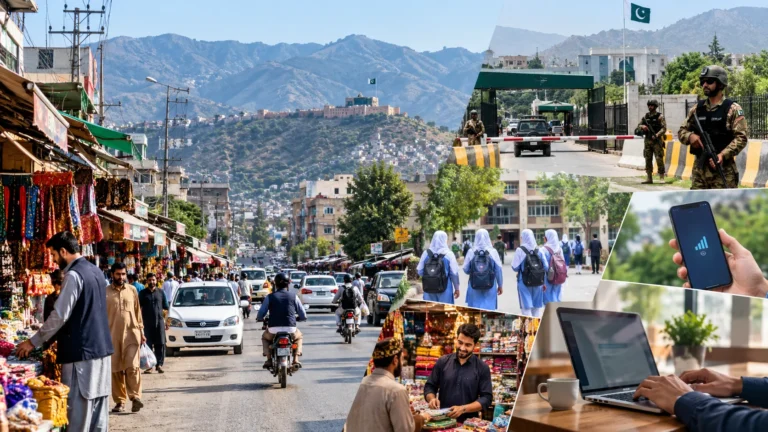
The purpose of a mosque is to serve as the most secure location in a community. A madrassa is intended to be a place where young minds acquire the fundamentals of faith, decorum, and mercy. This is the reason why the brutality of assaulting these locations is more profound than any other form of violence. A bomber is not merely murdering corpses when he enters a prayer hall or targets individuals as they prepare for prayer. He is attempting to eradicate trust, the basic trust that enables ordinary individuals to enter a sacrosanct space without terror. And if a group is capable of doing so, if it can transform sanctuary into a blood-soaked scene, what regard will it have for the same space when it requires a shelter to conceal under?
We continue to hear the same justification: that these militants are fighting for religion. However, the reality is evident to anyone who has observed the aftermath of a mosque attack. The victims are not “the other side” in a pristine, imagined battle. They consist of elderly men wearing prayer headwear, adolescents who arrived early, working individuals who crept in between shifts, officers who stood watch, and children who were brought along because families pray together. The prayer, the pulpit, the madrassa lesson, and the Qur’an recitation are not respected by these perpetrators.
The startle value is the only thing they regard. Their true objective is to infect daily life with terror and subsequently present themselves as the sole source of power
Observe the pattern that Pakistan has experienced. On January 30, 2023, the Police Lines Mosque in Peshawar was struck, resulting in the deaths of 84 individuals, the majority of whom were police personnel. On September 29, 2023, a detonation occurred in Hangu, Khyber Pakhtunkhwa, resulting in the deaths of five individuals. On March 4, 2022, a bomb attack at the Kucha Risaldar Mosque in Peshawar resulted in the deaths of at least 62 individuals. On January 30, 2015, a mosque explosion in Shikarpur, Sindh, resulted in the deaths of 61 individuals. On February 13, 2015, an assault occurred at the Jama Masjid in Hayatabad, Peshawar, resulting in the loss of 22 lives. These are not distant headlines. In living communities, there are wounds that resurface whenever the call to prayer is heard, as each survivor carries a memory.
Another component of our religious landscape and emotional life is the shrines and imambargahs. On February 16, 2017, an assault occurred at the shrine of Lal Shahbaz Qalandar in Sehwan Sharif, resulting in the deaths of over 90 individuals. More than 50 devotees were killed when the shrine of Hazrat Dahan Sarwar in Dera Ghazi Khan was struck on April 3, 2011. On July 1, 2010, eight individuals were killed in an attack on the Data Darbar in Lahore. In Parachinar, Kurram, there have been numerous instances of carnage, such as the 67 fatalities caused by a vehicle explosion near an imambargah on 23 June 2017 and the over 40 martyrs who were slain near a market mosque on 4 February 2012.
If a militant asserts purity while shedding blood at a shrine, he has already acknowledged, through his actions, that faith is merely a slogan for him
Therefore, the inquiry is straightforward. Why would they spare mosques and madrassas when they require sanctuary if they do not spare worshippers? Numerous Pakistanis continue to harbor the optimistic notion that even the most heinous of criminals may hesitate at the threshold of a sacrosanct site. However, the past two decades have demonstrated that these organizations are unafraid. To them, a mosque is not sacred; rather, it serves a practical purpose. To them, a madrassa is not a place of instruction; rather, it is a conduit. To them, a shrine is not a place of remembrance; rather, it is a vulnerable target. Wherever the state’s hand is feeble, and the community’s guard is down, they will flee.
This is the reason why the romantic notion that “they will never harm the house of God” is not only inaccurate but also perilous. It impairs our performance. It induces us to believe in signals that are inaccurate. People are hesitant to disclose suspicious activity due to their apprehension of being labeled as disrespectful. However, genuine reverence is demonstrated through the preservation of life. Real reverence is the refusal to allow the mosque to serve as a repository for weapons, a meeting room for hatred, or a protective barrier against police action.
A man is the one who is disrespectful if he employs the language of religiosity to create a space for violence. Naming the truth is not an affront to religion; rather, it is a demonstration of devotion to it
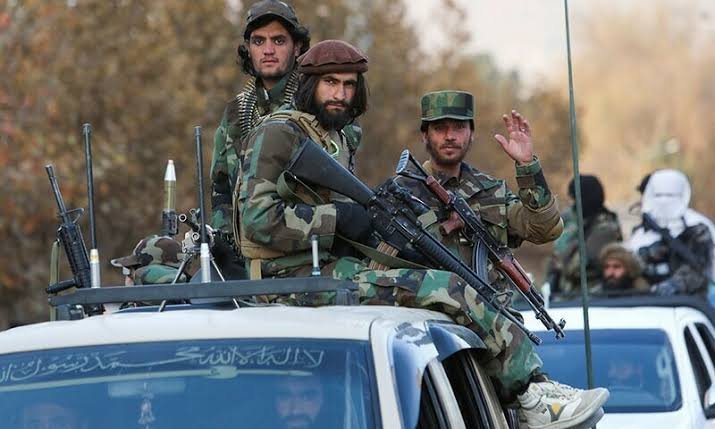
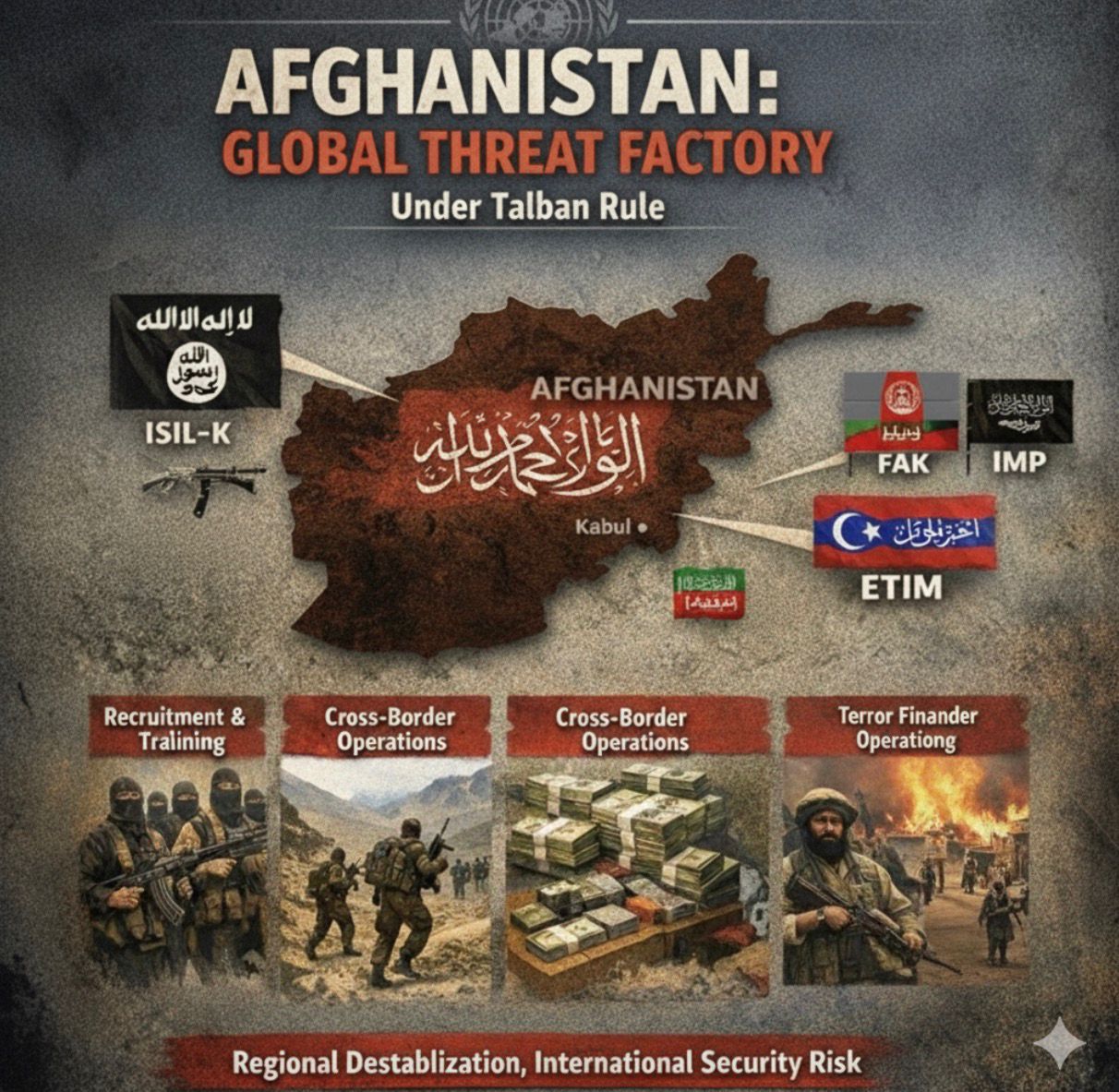
There is an additional dimension to this, which is the manner in which regional events alter local confidence. For numerous individuals, the Islamic Emirate’s ascent in Afghanistan has resulted in a cloud of uncertainty. Some individuals assume that a “Islamic” label inevitably signifies justice and order when they gaze across the border. The concern of others is that militant organizations may feel motivated, despite the absence of official support. The effect on Pakistan is evident, as extremists attempt to obtain legitimacy from any symbol that appears to represent victory, regardless of the actuality of each situation. They desire to appear safeguarded by geography, ideology, and public apprehension. In such an environment, mosques and madrassas may become contested spaces, either defended as community sanctuaries or exploited as cover.
Therefore, what actions should be taken? Initially, it is imperative that religious leaders demonstrate moral clarity. Every imam, khateeb, and madrassa administrator should regard security as an integral component of amanah, rather than a state issue that concludes at the gate. Secondly, it is imperative that communities cease to conflate vigilance with disrespect. These are alarms, not private matters, if a stranger persists on controlling a donation box, if a mosque committee is pressured to host unknown “guests,” or if sermons veer into open incitement. Third, the state is required to safeguard devotees without converting mosques into military zones. That entails enhanced intelligence, targeted action, and practical measures such as controlled entry on high-risk days, trained volunteers, and coordination that respects local dignity.
Unchanged is the fundamental concept. What they are has already been demonstrated by those who bomb mosques and massacre congregants. They do not convey reverence; rather, they convey a strategy. They will not maintain sacrosanct spaces while they are residing in them, as they never regarded them as sacred in the first place. In order to preserve the tranquility of our mosques and madrassas, it is imperative that we cease treating extremists as misguided devotees and instead regard them as adversaries of worship. The prayer hall can only then revert to its original purpose, a place where contrition should be the only emotion that shakes the heart, rather than terror.

