

Afghanistan Is a Threat to the World
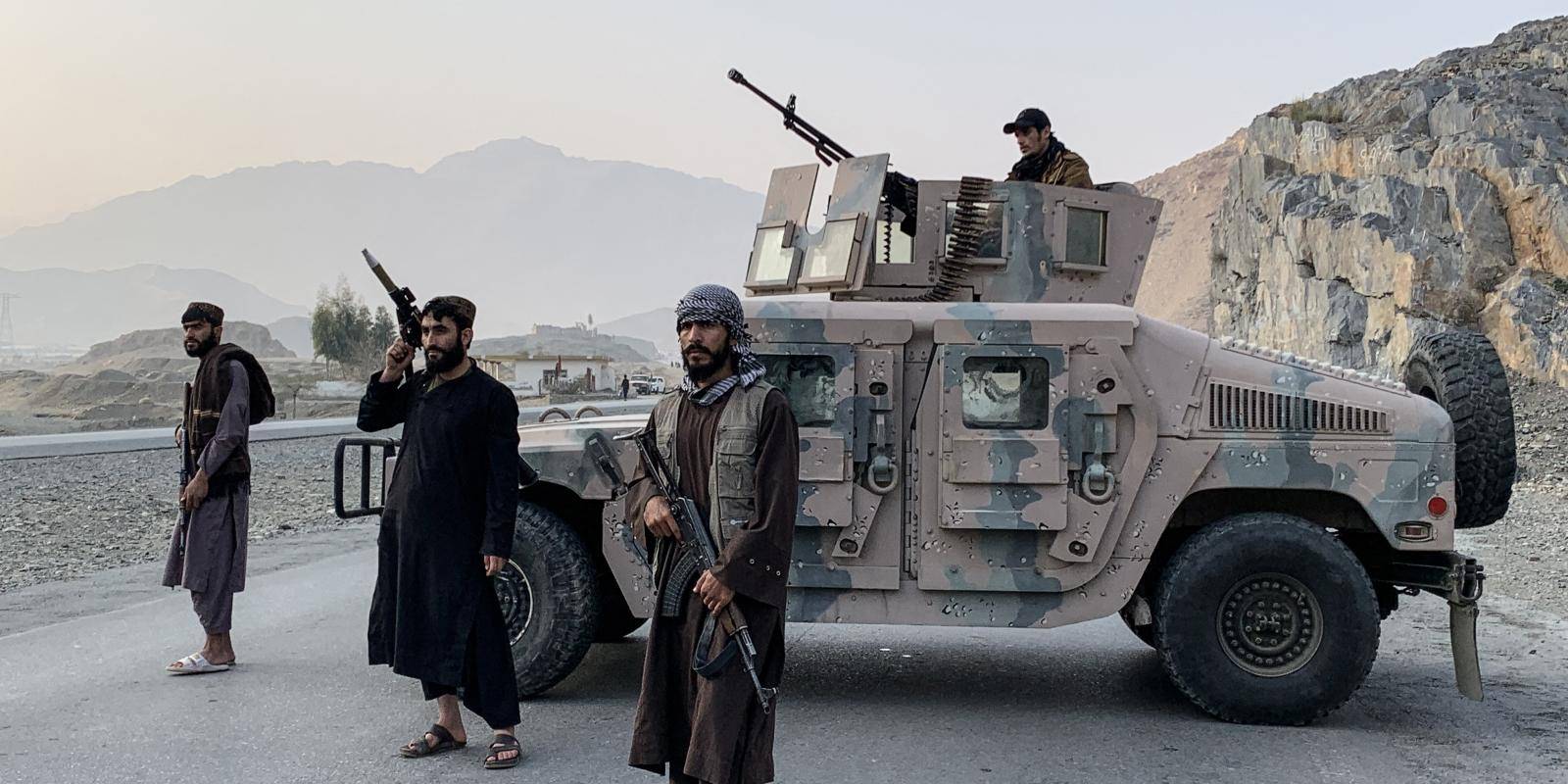
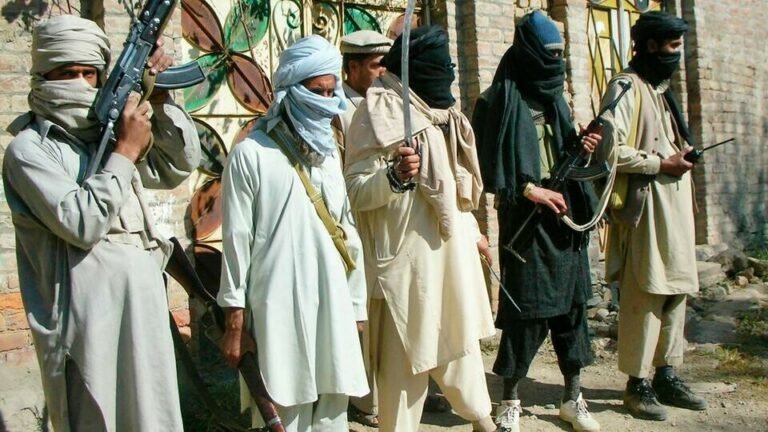
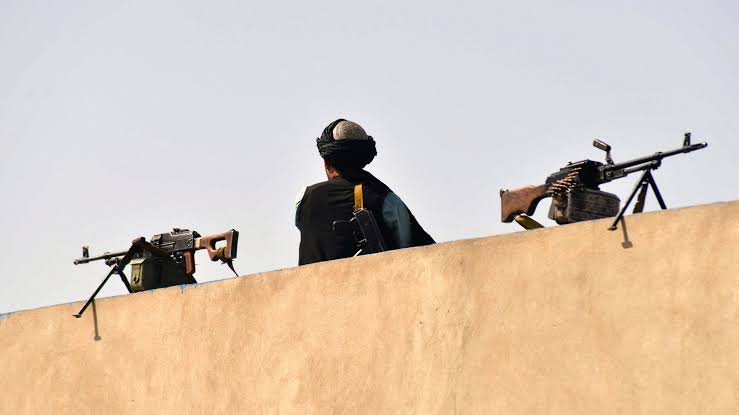
The danger does not come from ordinary Afghans, who have paid the highest price for forty years of war, foreign meddling, ideological extremism, and state collapse. The danger comes from a political order that mixes armed absolutism, diplomatic isolation, economic fragility, transnational militancy, and criminal revenue streams in one place. That combination has produced global shocks before. The world made the mistake of treating Afghanistan as a remote tragedy in the 1990s, until it became the base area for a catastrophe that reached New York, Washington, London, Madrid, and Bali. Today, the warning signs are back. United Nations monitoring has continued to flag the persistence of ISIL K as a serious threat, while UN reporting has also described a permissive environment for al Qaeda, including safe houses and training camps spread across Afghanistan. (UN Documentation)
A state that cannot normalize risk exports it
The core illusion in much current debate is that the Taliban can be harsh at home yet manageable abroad. That reading is too optimistic. A regime that cannot or will not sever ties with extremist ecosystems cannot offer lasting security to its neighbors or the wider world. Even relatively cautious analysts now note that tensions with Pakistan have risen sharply because of militant sanctuaries and the Taliban’s weak or selective action against groups such as TTP. Brookings has also noted that TTP bases remain in eastern Afghanistan, while CFR points to continuing concern over both al Qaeda and border militancy. A state does not need to plan a spectacular attack tomorrow to be a global threat. It only needs to keep providing time, territory, cover, and ideological oxygen to actors who do. (Brookings)
Chaos travels through drugs, borders, and black markets
The threat is not only bombs and training camps. It also moves through smuggling routes, corruption networks, and ungoverned cash economies. Afghanistan remains central to the narcotics problem even after the Taliban’s poppy ban changed production patterns. UNODC has warned that the shift has not ended danger, because trafficking has adapted and synthetic drug activity, especially methamphetamine, has grown in and around Afghanistan. That matters far beyond South Asia. Criminal markets do not respect frontiers. They move through the Gulf, Central Asia, Europe, and Africa, carrying money, arms, and influence with them. Every serious organized crime structure that expands under a closed and unaccountable regime eventually feeds other forms of insecurity. A country that becomes a pressure chamber for drug trafficking and extremist logistics does not stay a local problem for long. (UNODC)
Human collapse is a security issue too
Some people try to separate human rights from hard security, as if they are different files in different drawers. They are not. A government that crushes women, narrows education, hollows out institutions, and traps millions in dependency is not creating stability. It is creating a generation-sized reservoir of grievance, desperation, and wasted human capital. The humanitarian numbers alone are alarming. OCHA said almost half the population would require assistance in 2025. The World Bank has described the economy as fragile, with banking weakness and limited investment. UNICEF and UNESCO say Afghanistan is now the only country where secondary and higher education are shut to girls and women, with 2.2 million adolescent girls affected. UN Women says restrictions first sold as temporary are now entrenched. That is not social policy. It is a formula for permanent national fracture. (unocha.org)
Pakistan is not outside the story
The user’s metaphor is harsh, but it captures a real strategic truth. Pakistan has long tried to treat Afghanistan as something to manage, shape, buffer, or use. That approach produced blowback. Crisis Group wrote in 2022 that Islamabad had backed the Taliban for years and now faced the consequences of their return to power. More recent Crisis Group analysis says Pakistan blames the Afghan Taliban for giving sanctuary to TTP leaders and fighters, even as Kabul denies it. In other words, the old idea that Pakistan could keep the Afghan problem under a lid has failed. The lid has become part of the pressure system. What was once sold as strategic depth now looks more like strategic self-harm. A state cannot nurture militant influence next door for leverage, then act surprised when the fire crosses back over the fence. (Crisis Group)
Now the lid is slipping
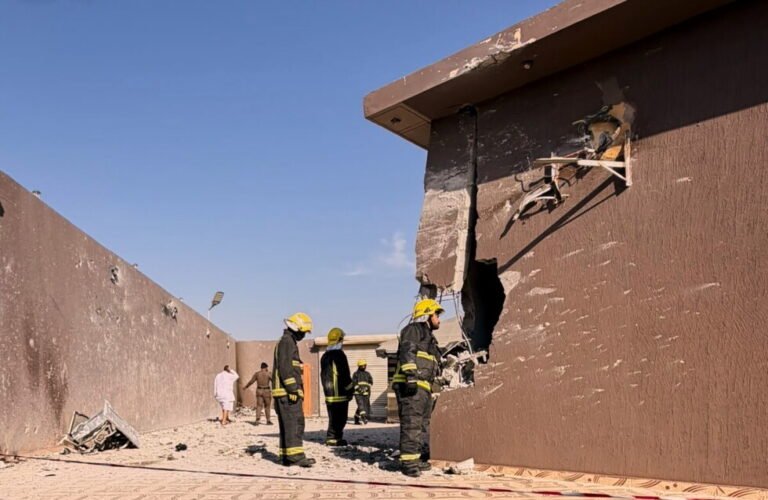
The latest Pakistan-Afghanistan violence should end any fantasy that this crisis is contained. Reuters reported in March 2026 that the two countries had reached their worst fighting in years, with Chinese mediation needed to cool the situation. Reuters also reported civilian casualties from Pakistani strikes inside Afghanistan, Afghan drone retaliation, and UN reporting of dozens of civilians killed since late February. At the same time, mass returns are pushing further instability into Afghanistan. UNHCR said more than one million Afghans returned from Pakistan in 2025, while IOM said over 2.8 million undocumented Afghans returned from Iran and Pakistan that year. A weak, isolated, militant saturated state absorbing huge forced return flows is not stabilizing. It is becoming more combustible. (Reuters)
Waiting for the next shock is not a policy
The world still has a habit of looking at Afghanistan only when blood is already on the floor. That is the wrong timeline. The correct question is not whether Afghanistan has already become a universal threat in the old 2001 sense. The correct question is whether all the ingredients of a broader threat are again accumulating there. The answer is yes. Terror networks persist. Borders are burning. Drug routes are adapting. Institutions are brittle. Millions remain in distress. Girls are excluded. Pakistan’s old management model is failing in public. None of this guarantees one dramatic event on one dramatic day. But it does point in one direction. Threats of this kind do not usually appear out of nowhere. They mature in plain sight while the world calls them complicated. (UN Documentation)
So the issue is not whether Afghanistan matters. It does. The issue is whether the world is honest enough to admit what kind of danger is taking shape there. Afghanistan under Taliban rule is not simply poor, conservative, or isolated. It is becoming a hardened node where militancy, repression, displacement, and illicit economies reinforce each other. And Pakistan, once imagined as the state that could contain, manipulate, or cap that disorder, now looks increasingly like the country most exposed to it. A can of worms does not stay sealed forever. When the lid starts cracking, everyone nearby inhales the stench first. The rest of the world follows later. (Council on Foreign Relations)
Endnotes
- United Nations Security Council, report S slash 2026 slash 44, February 4, 2026. (UN Documentation)
- United Nations Security Council, report S slash 2025 slash 71, February 6, 2025. (UN Documentation)
- United Nations, Security Council briefing on the resilience of terrorist groups, February 10, 2025. (United Nations Press)
- Council on Foreign Relations, The Taliban in Afghanistan, updated February 27, 2026. (Council on Foreign Relations)
- Brookings, The Taliban’s three years in power and what lies ahead, August 14, 2024. (Brookings)
- International Crisis Group, Pakistan: Responding to the Militant Surge on the Afghan Border, February 27, 2026. (Crisis Group)
- International Crisis Group, Pakistan Afghanistan: Tempering the Deportation Drive, May 22, 2025. (Crisis Group)
- International Crisis Group, Pakistan’s Hard Policy Choices in Afghanistan, February 4, 2022. (Crisis Group)
- Reuters, China’s mediation eases fighting between Pakistan, Afghanistan, March 12, 2026. (Reuters)
- Reuters, Pakistani airstrikes cause civilian casualties in Kabul, Taliban and UN say, March 13, 2026. (Reuters)
- UNHCR, One million Afghans returned from Pakistan in 2025, March 3, 2026. (UNHCR)
- UNHCR, Pakistan country overview, 2025 figures on Afghan refugees and asylum seekers. (UNHCR)
- OCHA, Afghanistan Humanitarian Needs and Response Plan 2025, December 19, 2024. (unocha.org)
- World Bank, Afghan Economy Shows Signs of Gradual Recovery, But Outlook Remains Uncertain, April 23, 2025. (World Bank)
- UNICEF and UNESCO urge action to protect the right to education in Afghanistan, January 24, 2026. (UNICEF)
- UN Women, Gender alert: Four years of Taliban rule, August 2025. (unwomen.org)
- UNODC, Afghanistan Drug Insights, Volume 4, March 12, 2025. (UNODC)
- UNODC, Afghanistan Opium Survey 2025. (UNODC)
- UNODC, World Drug Report 2024. (UNODC)
- IOM, Afghanistan Crisis Response Plan 2026, March 2026. (Crisis Response)

