
Afghanistan and Israel Relationship
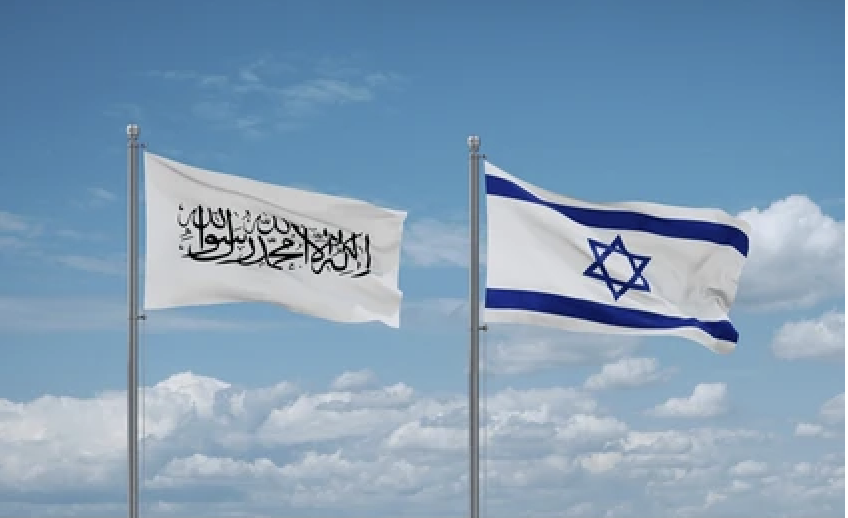
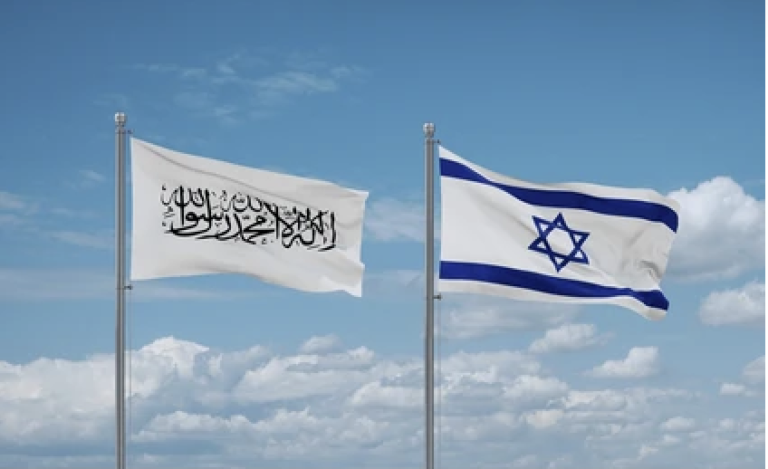
When a senior Taliban official is asked about talking to Israel and answers, “What problem do we have with Israel?”, it is not a throwaway line. It is a signal. Dr. Muhammad Naeem made the remark in a television interview that later circulated widely online, including through MEMRI’s clip and transcript. (memri.org) For two decades, the Taliban sold itself as an Islamic resistance movement, ideologically rigid and permanently aligned with the most emotive causes in the Muslim world. Israel has long been one of those causes. So a question that should have produced a rehearsed denunciation instead produced a shrug.
That shrug exposes a tension at the heart of the Taliban project: theology as branding versus survival as statecraft. Since taking Kabul in 2021, the Taliban has chased recognition, access to money, and relief from sanctions. That pursuit rewards ambiguity. It rewards saying less, promising dialogue, and keeping doors open. Naeem’s answer, delivered with a hint of annoyance at being asked an “irrelevant” question, fits that pattern. (memri.org) It frames Israel not as a religious adversary but as a distant issue outside Afghan priorities.
In that framing, the Taliban is not an emirate bound by transnational solidarity; it is a regime trying to look like a normal government that chooses its quarrels
The line also matters because it highlights how quickly absolutes turn into options when power is on the line. At home, the Taliban asks for obedience by claiming unique religious legitimacy. Abroad, it increasingly sounds like any other actor seeking room to manoeuvre. That gap does not just look hypocritical; it looks transactional. It invites the question many Afghans already ask: is the “Islamic emirate” an end, or is it a costume that can be adjusted when the audience changes?
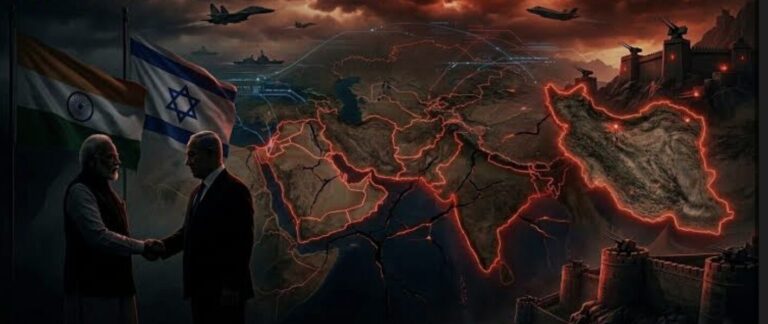
This is where the slogan, “Israel is master handler, Afghan Taliban is master proxy,” gets oxygen. It captures anger and suspicion: if the Taliban can soften on Israel, then perhaps someone powerful is guiding the script. But analysis has to separate mood from proof. There is no public, verified record showing Israeli control of Taliban decision-making. The clip shows openness to dialogue, not operational subordination. (memri.org) The more credible reading is banal: regimes say what expands their options, especially regimes desperate for legitimacy.
Who benefits from that pragmatism? The Taliban does, first of all. Hinting it has “no problem” with Israel signals to parts of the West that it is not automatically aligned with Iran’s posture, and not locked into the old militant axis. That can be useful in a world where counterterrorism cooperation, hostage talks, and humanitarian access sometimes run through grim intermediaries.
It can also reassure regional brokers that this is a government that can be bargained with, not a movement chained to permanent ideological war
But there is a moral cost to flexibility when it is paired with repression. A movement that restricts women and girls, crushes dissent, and governs by fear cannot wash itself clean by sounding moderate on one foreign policy question. The contrast can even be perverse. It suggests the Taliban can make room for dialogue with an internationally contentious state, yet cannot make room for basic rights for its own citizens. That inversion reveals priorities. It says the Taliban will adjust its ideology when it helps the regime survive, but will not adjust when Afghans demand dignity.
There is also a strategic risk inside the Taliban’s own coalition. Many supporters were radicalised by years of absolutist rhetoric. When leaders pivot too openly, they can fracture their base. Some will call it permissible pragmatism. Others will call it betrayal. The Taliban has already faced pressure from more extreme actors who accuse it of selling out.
Public ambiguity about Israel can feed that narrative and create openings for recruitment by rivals
So what should observers take from Naeem’s question back to the interviewer? First, take it as evidence that the Taliban wants to be treated like a state, not a cause. Second, take it as evidence that slogans about immutable religious policy are, in practice, negotiable. Third, resist the temptation to turn every uncomfortable shift into a single master plot. The sharper critique is simpler: the Taliban will say whatever reduces pressure and increases options, and it will do so while demanding ideological discipline from everyone else.
If people want accountability, they should focus less on proxy labels and more on measurable actions. Does the Taliban allow girls to return to school? Does it stop sheltering transnational militants? Does it permit independent media? Does it protect minorities? These are the tests that matter for Afghans and for the region. An offhand line about Israel is not proof of a hidden handler, but it is proof of something else: the Taliban’s ideology is not a compass; it is a tool. And tools are used by whoever holds them.

