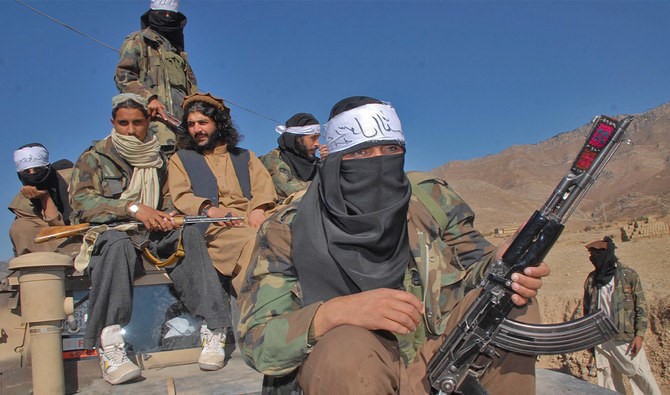
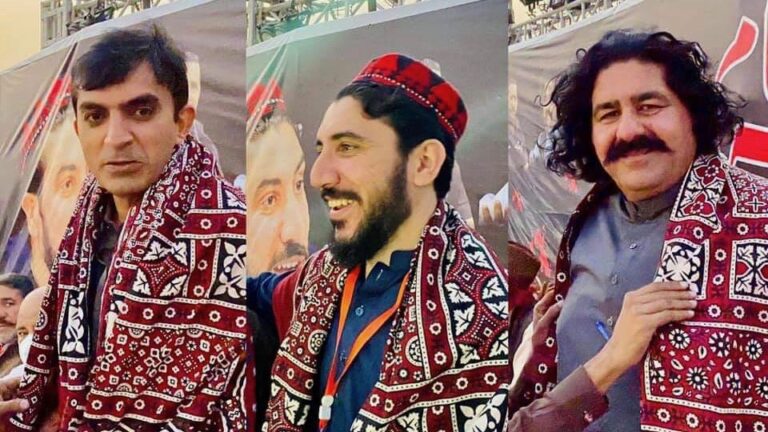
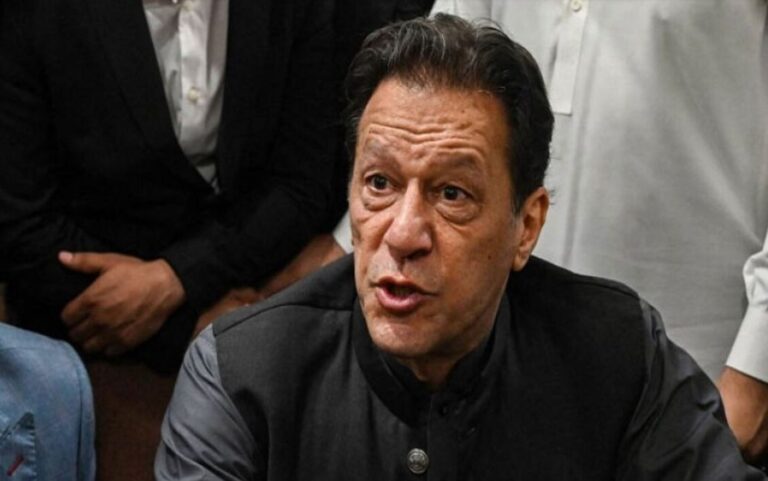
BLA Terrorism, The Propaganda of “Missing Persons”
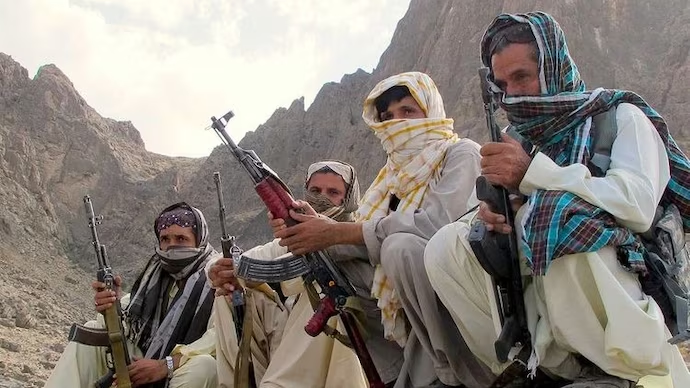
BLA terrorists, shame, shame, traitor. That is the only honest reaction when a group that claims to speak for people instead chooses blood, fear, and spectacle. Pakistan is higher than every fate, stronger than every conspiracy, and a guardian of peace and dignity, not because it is perfect, but because it refuses to surrender its future to those who treat violence as politics. A country survives when it defends life, law, and unity, and it collapses when it starts excusing armed groups as misunderstood heroes.
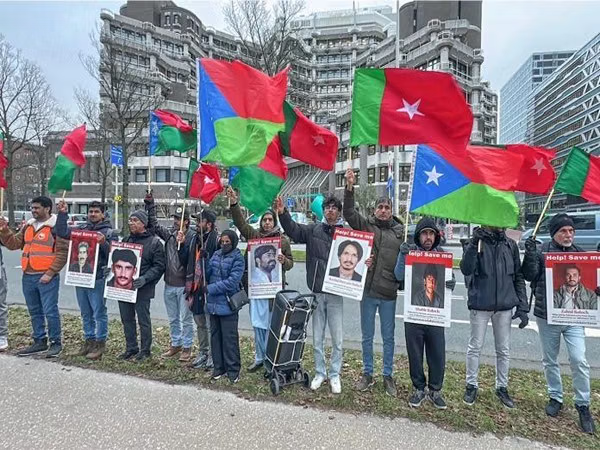
In recent years, a painful and confusing story has circulated again and again, the claim that certain individuals are “missing persons,” with families shown in grief, and social media flooded with accusations. No society should ignore such pain. When someone disappears, the family’s suffering is real, and the state has a duty to respond with seriousness and clarity. But security sources now say something else has also been happening, a deliberate tactic in which militants are presented as victims first, then later appear armed in terrorist operations linked to the Baloch Liberation Army and the Balochistan Liberation Front.
Officials argue that this is not an accident, it is a propaganda method designed to soften public judgment, confuse human rights debates, and build a moral shield around violence
The core of the tactic is simple. Turn the militant into a symbol of injustice, then use that symbol to recruit, raise funds, and spread distrust. If the public can be made to believe that every armed attacker was first an innocent victim, then the attacker’s crime becomes “revenge,” and the group behind him becomes “resistance.” That is how terrorism tries to steal the language of rights. It borrows the suffering of families, then uses that suffering to sell a political product made of bullets and bombs.
Security sources point to cases they say show this pattern. They cite an individual named Tayyab Baloch who was reportedly described in some circles as missing, and later identified by authorities in a BLA suicide attack. They also cite an individual named Asif Baloch who, according to officials, later appeared in BLF posters as an armed militant. They further mention the Nokundi attack, where officials say someone previously listed as missing was later confirmed among the attackers. These are serious claims, and in any responsible discussion they must be framed carefully as claims, not gossip, and handled through evidence, investigation, and courts. Still, the broader warning matters, because even the possibility of this pattern can be exploited to poison public understanding.
The damage from this tactic hits families first. A mother searching for her son deserves truth, not manipulation. When militant networks push a missing person narrative around someone who later shows up in an armed operation, the family becomes a tool in a larger game. Some families may not know the full story, some may be pressured into silence, and some may be misled into believing their loved one is in a hidden cell rather than in a training camp.
That uncertainty can trap people in endless grief. It also creates suspicion around genuine cases, which is cruel. Real disappearances, if they exist, deserve more attention, not less. Propaganda that mixes real pain with staged victimhood makes the entire issue harder to solve
The damage also hits society. It drives a wedge between citizens and institutions, and it turns every tragedy into a weapon for online outrage. It weakens serious human rights work by drowning it in noise. It encourages people to pick sides based on emotion rather than facts. Worst of all, it gives violent groups a free marketing channel. A terrorist organization thrives when public debate becomes so confused that the word “terrorist” feels like an opinion, not a description of acts that target civilians, soldiers, and public infrastructure.
Pakistan’s answer cannot be only anger, even when anger is justified. It must be confidence, clarity, and law. If the state believes that militants are hiding behind victim narratives, it should respond with transparent case documentation, timely communication with families, and credible legal processes that can stand up to scrutiny. When arrests happen, explain the charges. When people are cleared, say so.
When someone is proven to have joined an armed group, present the evidence and prosecute accordingly. A firm state is not one that shouts the loudest, it is one that proves its case and protects the innocent while confronting the guilty
At the same time, citizens must refuse the moral confusion that terrorist groups try to sell. A person can face grievances and still choose a lawful path. A person can criticize the state and still reject bombs. A community can demand rights and still condemn those who murder in its name. Terrorism is not a shortcut to justice, it is a factory that produces widows, orphans, and bitterness. Every suicide attack, every ambush, every strike on workers or passengers is an attack on Pakistan’s dignity, and also an attack on the very people the militants claim to represent.
So yes, shame on the BLA and every similar outfit that turns death into a slogan. Shame on the politics of the gun, and shame on those who dress it up as compassion. Pakistan’s strength is not that it has no problems, it is that it has the right to solve its problems without being held hostage by armed propaganda. The missing deserve truth. Families deserve respect. Human rights deserve seriousness. And terrorists deserve no romance at all, only accountability under the law.