

Skip to content
logo new f

ONE NATION VOICE

One Nation Voice – Pakistan & Global Affairs | Latest News & Analysis

Write For Us
Download App

Latest News

Articles
Latest Articles
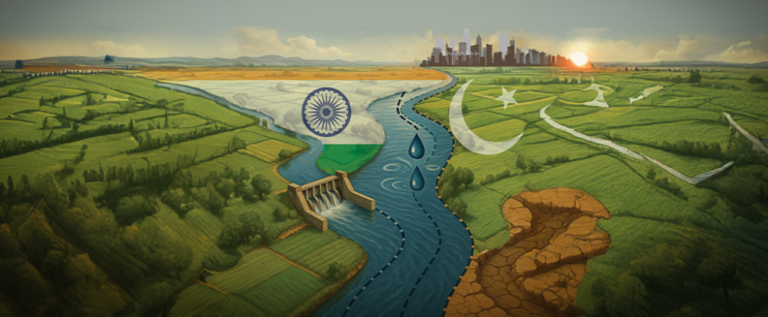
Pakistan’s Fight for Water Justice
Articles
Latest Articles
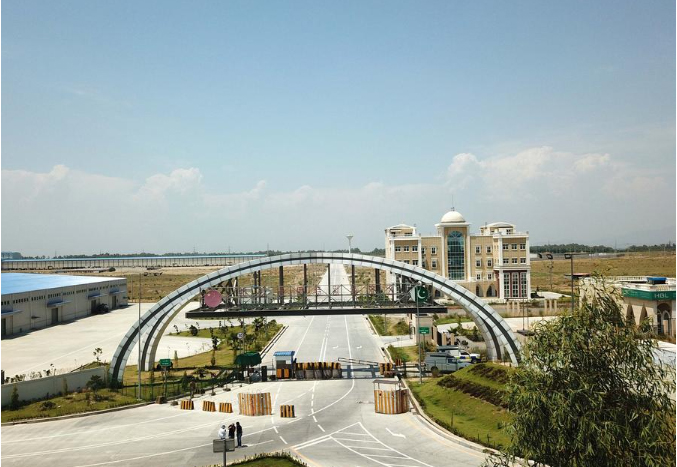
CPEC 2.0 in 2026
Articles
Latest Articles
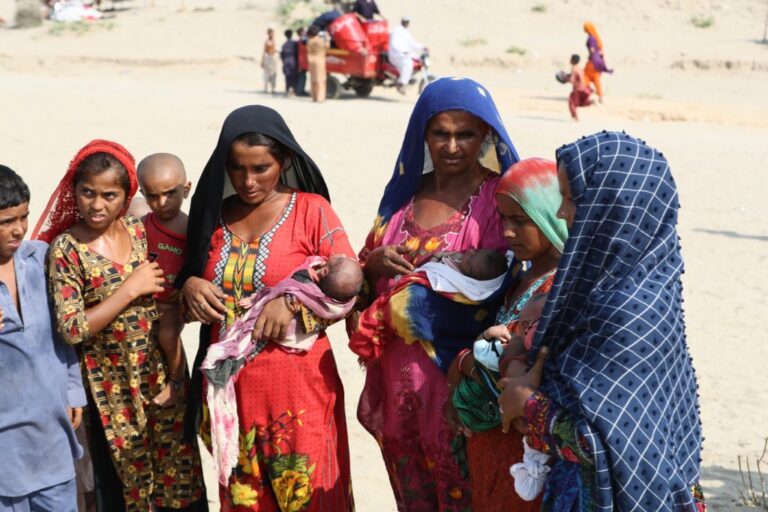
Pakistan’s Measurable Progress on Women’s Empowerment
Articles
Latest Articles
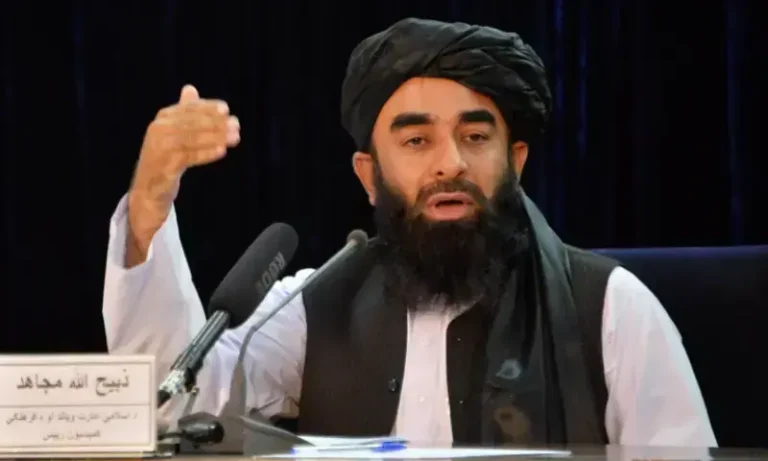
Zabihullah Mujahid’s Hospital Story
Articles
Latest Articles
Afghanistan Is a Threat to the World
Articles
Latest Articles
Responsible Speech in Sensitive Times

Trending News

Articles
Latest Articles
Pakistan’s Fight for Water Justice
Articles
Latest Articles
CPEC 2.0 in 2026
Articles
Latest Articles
Pakistan’s Measurable Progress on Women’s Empowerment
Articles
Latest Articles
Zabihullah Mujahid’s Hospital Story
Articles
Latest Articles
Afghanistan Is a Threat to the World
  • Home
  • Latest
  • News
  • Economy
  • Politics
  • Geopolitics
  • Security
  • Trade
  • Technology
logo new f

ONE NATION VOICE

One Nation Voice – Pakistan & Global Affairs | Latest News & Analysis

Write For Us
Download App
  • Home
  • Latest
  • News
  • Economy
  • Politics
  • Geopolitics
  • Security
  • Trade
  • Technology

International Relations

Saudi-Arabia’s-New-Era
  • Articles
  • Featured
  • International Relations
  • Latest Articles

Saudi Arabia’s New Era

Dr. Asia Karim10 months ago7 months ago05 mins

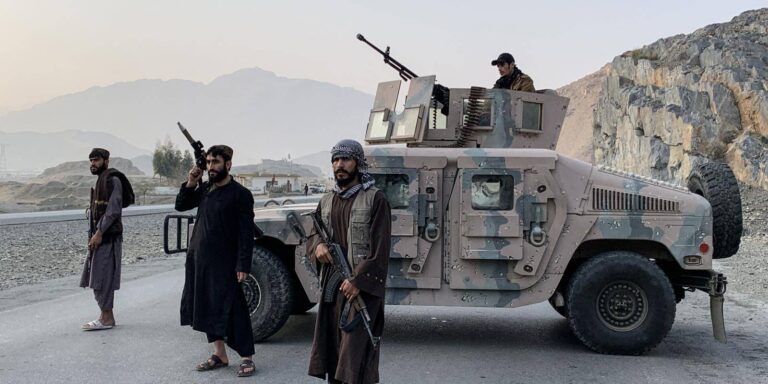
Driven by a daring future vision, Saudi Arabia is undergoing an unparalleled metamorphosis. Long recognized for its enormous oil reserves…

Read More
India’s Diplomatic Belligerence
  • Articles
  • Diplomacy
  • Geopolitics
  • International Relations
  • Latest Articles

India’s Diplomatic Belligerence

Prof. Dr. Muhammad Munir (Dean)10 months ago04 mins

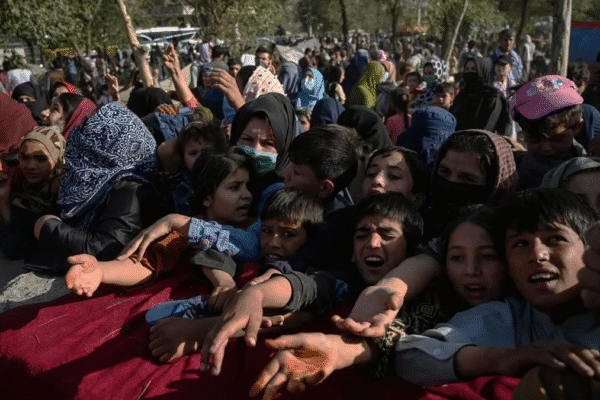
The recent Indo-Pak conflict has illuminated India’s developing foreign policy stance, showcasing a progressively inflexible and unilateral approach to regional…
Read More
Insecurity Flowing from Afghanistan
  • Articles
  • Geopolitics
  • International Relations
  • Latest Articles

Insecurity Flowing from Afghanistan

Dr. Hamza Khan10 months ago05 mins

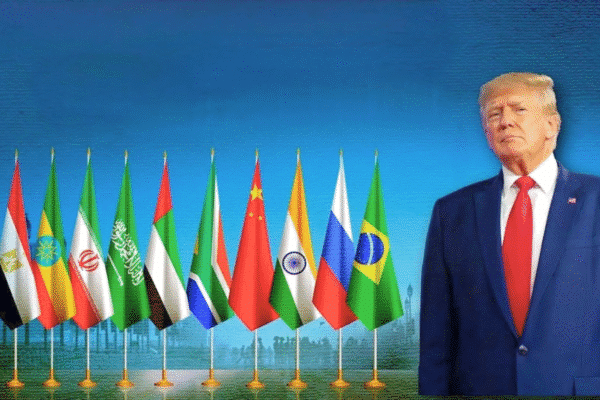
Afghanistan currently represents a critical intersection of terrorism, radical ideology, and drug trafficking, significantly undermining both regional and global security….
Read More
BRICS in the Trump Era
  • Articles
  • Diplomacy
  • Geopolitics
  • International Relations
  • Latest Articles

BRICS in the Trump Era

Dr. Raziq Hussain10 months ago05 mins

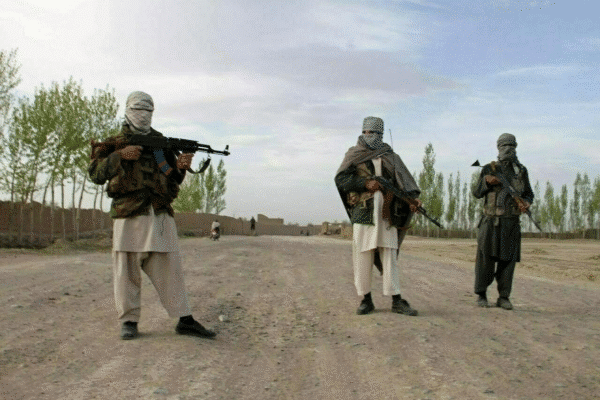
The return of Donald Trump to the White House in January 2025 has injected fresh uncertainty into the geopolitical landscape,…
Read More
Exposing the Hypocrisy of Fitnah al-Khawarij
  • Articles
  • International Relations
  • Latest Articles

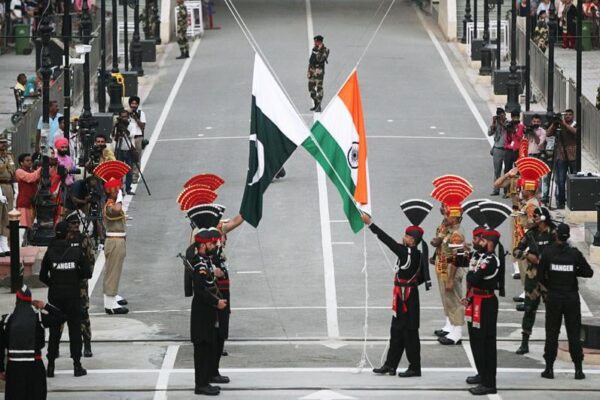
Exposing the Hypocrisy of Fitnah al-Khawarij

Prof. Dr. Muhammad Munir (Dean)10 months ago10 months ago05 mins

Violence, when disguised as religious rhetoric, becomes one of the most significant deceptions of our era. This is particularly accurate…
Read More
India’s Cross-Border Aggression
  • Articles
  • Featured
  • International Relations
  • Latest Articles

India’s Cross-Border Aggression

Dr Hussain Jan10 months ago06 mins

India’s recent actions following the Pahalgam incident have raised serious humanitarian concerns and drawn condemnation for what appears to be…
Read More
United Against Extremism: Pakistan’s Resolve Against ISKP
  • Articles
  • International Relations
  • Latest Articles

United Against Extremism: Pakistan’s Resolve Against ISKP

Prof. Dr. Ghulam Mujaddid10 months ago05 mins

In the face of growing threats from violent extremist groups, Pakistan has once again demonstrated its unshakeable resolve to protect…

Read More
Exposing the Power-Hungry Agenda of FAK and Balouch Terrorist Groups
  • Articles
  • International Relations
  • Latest Articles

Exposing the Power-Hungry Agenda of FAK and Balouch Terrorist Groups

Dr. Wasim (HOD)10 months ago05 mins

In recent times, the statements issued by Tehrik-i-Taliban Pakistan (TTP) have pulled back the curtain on the darker realities of…
Read More
INDIA'S FRENZY TO CRAFT EVIDENCE TO BLAME TERRORISM ON PAKISTAN
  • Articles
  • Geopolitics
  • International Relations
  • Latest Articles

INDIA’S FRENZY TO CRAFT EVIDENCE TO BLAME TERRORISM ON PAKISTAN

Dr. Raziq Hussain10 months ago04 mins

There is a classic fable of the young lamb and the hungry wolf, which highlights how sinister motives are masked…
Read More
The Belt and Road Initiative (BRI), initiated by China in 2013 under President Xi Jinping, was originally designed as an ambitious strategy for infrastructural and economic growth to improve global connectivity. As geopolitical tensions intensified, especially during the US-China trade war under the Trump administration, the BRI transformed from a mere development program into a vital buffer and strategic instrument for China's economic resilience. The BRI significantly alleviated the economic strains resulting from the trade war by diversifying China's trading routes, broadening its global market access, and strengthening political and economic relationships throughout Asia, Africa, and Europe. The US-China trade war was fundamentally characterized by reciprocal tariffs that upset established trade patterns between the two largest economies globally. China, significantly dependent on exports to the United States, encountered substantial threats to its manufacturing industry, employment levels, and GDP expansion. Nonetheless, the BRI offered China a strategic alternative. Through the construction of trains, ports, and roadways in more than 150 participating nations, China successfully shifted its focus to emerging markets, therefore diminishing its reliance on Western economies. Trade with BRI countries increased as China shifted products and investment towards Southeast Asia, the Middle East, and Africa. The new markets not only absorbed Chinese exports but also supplied raw materials and investment opportunities that sustained Chinese industry despite American tariffs. The infrastructural networks established under the BRI markedly improved China's logistical adaptability. The China-Europe Railway Express offered a swift and dependable terrestrial route that circumvented marine chokepoints and diminished dependence on US-dominated shipping lanes. Amid heightened trade tensions, these terrestrial routes to Europe shown their significance in sustaining consistent shipments. Ports constructed and operated by Chinese companies in important areas such as Gwadar (Pakistan), Hambantota (Sri Lanka), and Piraeus (Greece) have facilitated China's acquisition of critical access points for its commodities and oil imports, hence providing insulation from the repercussions of trade restrictions and geopolitical disturbances. The BRI enabled China to utilize its enormous foreign exchange reserves to advance its economic and political objectives. By financing infrastructure in emerging nations, China generated opportunities for its state-owned firms while also securing future economic partnerships. In areas with limited or conditional Western investment, China's strategy, generally less hindered by political stipulations, was embraced. This financial outreach resulted in enhanced diplomatic power, ensuring that numerous countries-maintained neutrality or support for China during the trade conflict. Nations indebted to or closely associated with China through BRI projects were less inclined to endorse US-led pressure initiatives or international trade sanctions. The geopolitical impact of the BRI also served to mitigate the United States' attempts to isolate China. China established international venues, including the Belt and Road Forum and regional cooperation mechanisms, to promote economic partnerships free from US influence. These platforms established new standards for commerce, investment, and governance that corresponded with China's strategic objectives. During a time when the US was withdrawing from global institutions and multilateral trade agreements, the BRI enabled China to fill the void and position itself as a proponent of globalization and development. Furthermore, the BRI indirectly catalysed internal economic reforms and innovation within China. Confronted with the necessity to maintain competitiveness in emerging markets, Chinese enterprises increased their investments in technology, efficiency, and supply chain enhancements. This transition somewhat mitigated the effects of diminished trade with the US and established China as a more competitive global competitor. The initiative to localize production and cultivate indigenous technologies, particularly in high-value industries like semiconductors and AI, intensified as a component of China's comprehensive reaction to trade challenges. Critics of the BRI frequently highlight worries regarding debt sustainability and strategic overreach; but, during the trade conflict, these apprehensions did not surpass the initiative's strategic advantages for China. Although certain partner nations articulated dissatisfaction regarding debt obligations and project postponements, numerous others continued to rely on Chinese funding for economic advancement. China's capacity to restructure debt or provide supplementary assistance preserved its influence and assured the continuity of BRI projects, albeit with modifications. The endurance of the BRI during this period illustrated that its structure, comprising a financial instrument, a diplomatic vehicle, and a logistical framework, was adaptive under pressure. BRI proved pivotal in protecting China from the complete repercussions of the trade war with the United States. Through the expansion of trade alliances, the security of essential infrastructure, and the amplification of its global power, China adeptly navigated economic hostilities more effectively than many had expected. Despite its problems, the BRI has established itself as a fundamental element of China's strategy to ensure economic security in a fragmented global landscape. The trade war may have challenged China's global position, yet it also shown that initiatives such as the BRI can function not only as catalysts for growth but also as vital support during economic conflict. As global power dynamics evolve, the BRI is expected to remain a crucial component of China's strategy for managing international unpredictability.
  • Articles
  • Geopolitics
  • International Relations
  • Latest Articles

China’s Belt and Road Response to Economic Warfare

Prof. Dr. Muhammad Munir (Dean)10 months ago05 mins

The Belt and Road Initiative (BRI), initiated by China in 2013 under President Xi Jinping, was originally designed as an…

Read More

Recent Posts

  • Pakistan’s Fight for Water Justice
  • CPEC 2.0 in 2026
  • Pakistan’s Measurable Progress on Women’s Empowerment
  • Zabihullah Mujahid’s Hospital Story
  • Afghanistan Is a Threat to the World

Archives

  • March 2026
  • February 2026
  • January 2026
  • December 2025
  • November 2025
  • October 2025
  • September 2025
  • August 2025
  • July 2025
  • June 2025
  • May 2025
  • April 2025

Categories

  • Articles
  • Books Reviews
  • Diplomacy
  • Economy
  • Education
  • Energy
  • Entertainment
  • Environment
  • Featured
  • Geopolitics
  • Health
  • History
  • Human Rights
  • International Relations
  • Latest Articles
  • News
  • Nuclear
  • Politics
  • Security
  • Sports
  • Sports
  • Technology
  • Trade

Popular News

1

Pakistan’s Fight for Water Justice

  • Articles
  • Latest Articles
2

CPEC 2.0 in 2026

  • Articles
  • Latest Articles
3

Pakistan’s Measurable Progress on Women’s Empowerment

  • Articles
  • Latest Articles
4

Zabihullah Mujahid’s Hospital Story

  • Articles
  • Latest Articles
5

Afghanistan Is a Threat to the World

  • Articles
  • Latest Articles
6

Responsible Speech in Sensitive Times

  • Articles
  • Latest Articles
7

India’s Reaction Reflects Concern Over Failure of its Proxy Networks

  • Articles
  • Latest Articles
8

Manufactured Victimhood and the Erosion of Asylum Justice

  • Articles
  • Latest Articles
9

The Truth About PTM Protest

  • Articles
  • Latest Articles
10

A Viral Spy Story

  • Articles
  • Latest Articles
March 2026
M T W T F S S
 1
2345678
9101112131415
16171819202122
23242526272829
3031  
« Feb    

Latest News

  • Pakistan’s Fight for Water Justice
  • CPEC 2.0 in 2026
  • Pakistan’s Measurable Progress on Women’s Empowerment
  • Zabihullah Mujahid’s Hospital Story
  • Afghanistan Is a Threat to the World

Your Opinions

The power of social media is it forces necessary changes One Nation Voice News

Politics is the way that people living in groups make decisions. One Nation Voice Articles

Health is important to live life to the fullest. One Nation Voice Official Website

The power of social media is it forces necessary changes First Nations Voice

Tafi Mhaka

"Thank you for visiting One Nation Voice. Stay tuned for daily updates."

Contact Us

Address: Jonesville Louisiana USA

Email: info@onenationvoice.com

© 2025 ONE NATION VOICE - All Rights Reserved.
  • About Us
  • Contact US
  • Terms of use
  • Privacy Policy
  • Write For US