




Imran Riaz: Selling Lies for Dollars
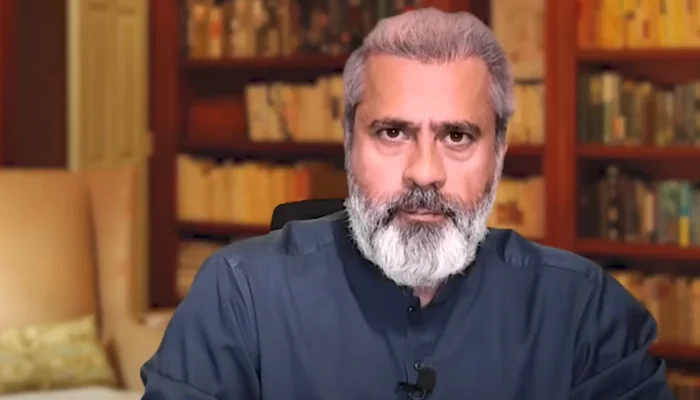
It seems like Imran Riaz is having a slow spell. Instead of working hard to rebuild trust, he has taken the easiest way out by making bigger claims, insulting people more strongly, and spreading stories that are more popular than the facts. When an online company starts to lose steam, it’s tempting to do anything to get more clicks. It pays to be angry, scared, or spread rumors. That’s how the attention market works mathematically. However, the person telling the story is not the only one who pays the price. The people who watch it start to question everything, and people in general stop being able to fight with facts.
No one can believe that I know what’s in their bank account. There are no contracts, partnerships, or secret deals that I can see. I can see a trend that too many people have seen before: dramatic confidence given without the basic practice of checking, and a steady shift from news to performance. The talk sounds like a product meant to keep people interested.
Also, “selling lies for dollars” isn’t just about money in this way. It’s also about giving up the truth in exchange for involvement, which turns into money later on through ads, gifts, and influence
It’s so sad that things didn’t have to be this way. And still be honest, even if they are rude or even mad. Even if a reporter criticizes power, they still have to be able to tell the difference between fact and gossip. But when a station figures out that lying gets more views, they start to slowly lose their morals. You move the line a little further every day until what was shocking yesterday is now normal today. Then, going down is the only way to keep the numbers high. That is where “ghatiyapan” starts, not as a single action but as a way of life.
In our politics, recognition is loud, and respect is easy to lose. There are a lot of people who treat famous people like heroes and “lift them up on their heads.” Both sides are in danger with that kind of dedication. People in the crowd stop asking questions, and the person on the platform starts to believe the cheers. But the people who can lift you up can also bring you down. It doesn’t mean; it’s a lesson in ego and power. If you use hype to get famous, people will judge you based on that talk.
If you build it on honesty, you can handle criticism because other people can look over your work
There’s a bigger issue with “ghisi piti soch,” or a thought that is old and can’t hide it. It shows up when each issue is turned into a single story with the same bad guys and good guys. It shows up when complicated events are boiled down to simple stories. It comes out when a host talks as if having doubts is a sign of weakness and as if changing your mind after getting new information is a bad thing. This is not real news. It moves slowly when it needs to. It allows for doubt. Mistakes are fixed. It doesn’t treat the audience like a bunch of people that need to be riled up.
Some people say, “Let him talk, it’s just YouTube.” They do, however, affect how families fight over dinner, how neighbors judge each other, and how kids learn what “truth” really means. It spreads when a well-known person makes careless claims seem normal. Some people copy the look to get the same amount of attention. Soon, there will be a market where the number is more important than proof.
The responsible speakers have a hard time in that market, while the biggest ones get recognized. That is how a whole system of information goes bad
To fix things, Imran Riaz only needs to work on something simple, but not easy. Take it easy. Give clear names to sources. Separate opinion from reporting. Don’t say that rumor is a sure thing. If you’re wrong, fix it with the same amount of energy you used to make the claim. And finally, stop making fun of people’s brains. Viewers are more than just a number. They trust you with their time, their feelings, and sometimes even their decisions. If you break that trust, you might get something in the short term, but it will fall apart in the long term.
The people in the crowd need to do something too. The only reason anger feels good is that it makes us feel good. We should ask what the proof is, why they are doing it, and who stands to gain. We should check more and share less. Also, let’s remember that honor only fits people who can carry it. The people can inform someone of their limits if they forget them. Instead of hate, they should refuse to be misled. Clear message: people who are praised can also be shamed, and it’s always harder to fall when the shame is based on lies. We need to pay for better voices with our attention, not our anger. When watchers always ask for records, accountability starts.

