
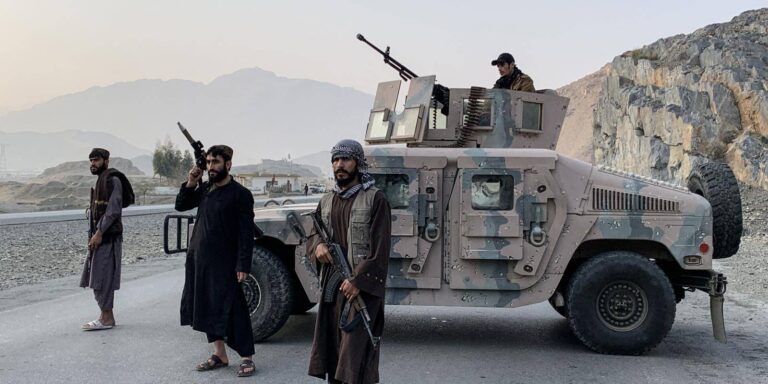

Iran’s Response to New US Sanctions and Travel Ban
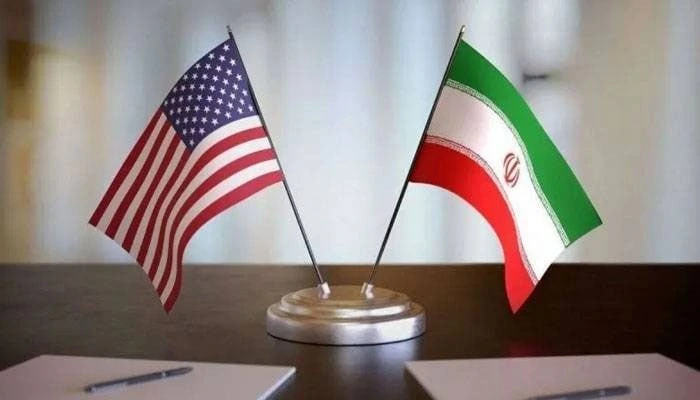
After President Donald Trump’s order to ban travel for Iran and others, Iran has strongly reacted. The Iranian government regarded the measure as a clear sign of intense hostility toward Muslims and Iranians, saying it was politically motivated and just wasn’t fair. Iran’s Response to New US Sanctions and Travel Ban According to the directive, the decision to place new bans on Tehran has raised issues between the countries and intensified discussions worldwide about how ethical and lawful it is to carry out such travel bans.
According to the statement from a senior Foreign Ministry official in Iran, the decision is badly unfair, as it stems from religious and ethnic bias. It is stated in the statement that US officials ban Iranians based on their citizenship or religion, which clearly reveals they remain hostile to both the people of Iran and Muslims. Iranian officials state that such an action breaks the standards of mutual respect and diplomacy as well as breaks international laws and norms that prohibit racial and religious discrimination.
On Wednesday, President Trump introduced an executive order, stopping entry into the US for people from twelve countries, such as Iran, Afghanistan, Libya, Somalia, and Yemen. As stated by the Trump administration, this ban aims to preserve national security by holding back people from countries seen to be more likely to cause unrest or terrorism. Some say that the policy is shaped more by political beliefs than by real safety concerns, and it targets mostly Muslim countries.
Iran has acted as well by promising to take similar measures. Officials in Iran have mentioned that they may soon create policies that block US citizens linked to those thought to support Washington’s hostile policies. The Iranian leadership has declared that it wants to address the problem at international assemblies, especially the United Nations, to highlight the discriminatory and unlawful actions of the United States.
Many people in Iran worry over this travel ban due to the links they have with the United States in their families, schools, or jobs. Many students, scholars, and people holding dual nationality are now worried because of this new policy. Tens of thousands of Iranian students now worry that they won’t be able to come back to the US after visiting their homeland, and families are afraid of experiencing long-term separation and the loss of many opportunities.
They consider the travel ban to be more evidence that the Trump government is being hostile toward their country. This decision comes after years of rising tensions, mostly because the US left the JCPOA in 2018 without involving other countries. Following Trump’s decision, the US has pressed sanctions on Iran’s financial, petroleum, and shipping parts, which have greatly affected the Iranian economy. For Iran, the new travel ban hurts even more, proving that the conflict is affecting all kinds of people now, and not only those in charge.
Legal experts and people who support international human rights have also questioned if the travel ban complies with the law and rules of morality. Critics say the policy infringes on several international agreements, for example the ICCPR, which forbids discriminating people based on their religion or nationality. Also, groups like Amnesty International and Human Rights Watch insist that these policies increase the risk of xenophobia and religious bias by weaving them into the name of national security.
Iran has also urged other nations, especially those in the Muslim world, to protest the US travel ban and to back Iran by emphasizing what Iran sees as institutionalized Islamophobia. Diplomats from Iran are stated to be encouraging allies in the Organization of Islamic Cooperation (OIC) to criticize or oppose the Unites States on an official level.
When seen from a global perspective, the ban deepens the rift between the United States and Iran and makes it harder for the two countries to negotiate. Since diplomatic relations are already problematic, actions that reduce contact between people increase suspicion between the countries involved and make dialogue harder. Critics say that such actions may benefit those within Iran who think talking with the United States achievement will not bring fair treatment for the country.
In the United States, people have gathered and challenged the policy in court. Advocates plan to challenge the executive order in the courts by saying it violates the equal protection and due process rights of the Constitution. Many state attorneys general have made it clear they disagree with the bill for its potential negative effects on schools and businesses that thrive from working with people worldwide.
It is clear from Tehran’s demonstrations and statements made by Iranian government officials that citizens are proud and not backing down. State media states that the US is exploiting security as an excuse to introduce only benefits to selected groups. A lot of Iranians think the travel ban hurts their dignity and clearly shows how decisions made in Washington can harm everyday people all the way across the world.
According to Iran’s representatives, they will use upcoming meetings at the United Nations to investigate US actions on immigration and with foreign countries from a human rights point of view. Iran is likely to raise the concern that the United States is wrongly using its right to control immigration by treating many people collectively due to their religion and ethnicity.
The effects of the travel ban go further than the 11 nations that have been banned. These policies worry observers around the world since they may prompt other countries to adopt similar laws, putting at risk the achievements made in welcoming immigrants and promoting cultural exchanges, among others. Setting these rules may cause the US to abandon its former status as a place for refugees and a defender of civil rights.
Tensions are meant to increase as the date set for enforcing the travel ban gets closer. Both countries look keen on having this dispute continue for a long time through diplomacy. By firmly denouncing and promising the same action, Iran seems to believe there is still a long way to go with the conflict. In the next weeks, it will be seen how this policy, tackled by legal, diplomatic, or domestic efforts, will affect how the United States and Iran relate to one another.
Iran is strongly criticizing the new US travel ban and stands firm against anything it views as unjust. Because of the policy, immigration, discrimination, and the place of national security in forming foreign policy are being discussed around the world. Across the world, Iran and its supporters see this act by the United States as a threat that may lead to more isolation, division in societies, and greater tension across countries.

