
PTI’s Foreign Lobbying and the Questions It Raises at Home
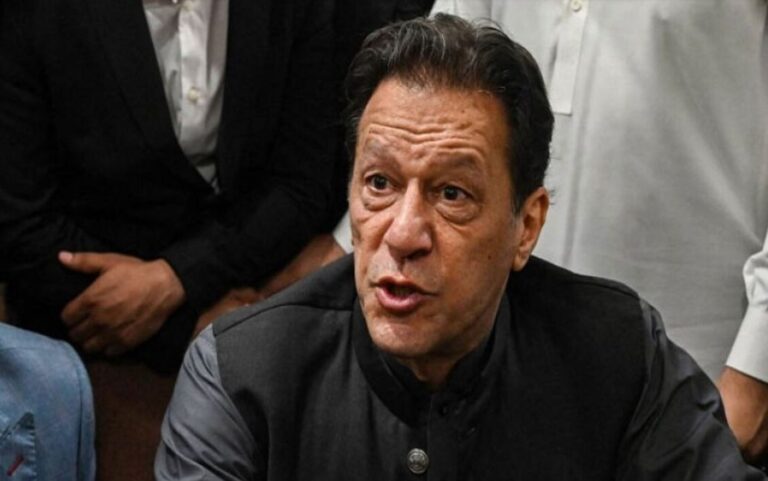
There is something deeply wrong with a political strategy that begins at home but seeks victory by inviting pressure from abroad. Opposition politics is a normal part of democracy. Criticism of governments is necessary. Protest is legitimate. But when a party starts carrying Pakistan’s internal conflicts to international forums in a way that can hurt the country’s economy, trade standing, and diplomatic image, the matter stops being ordinary politics. It becomes a test of judgment, restraint, and loyalty to the wider national interest. That is why the recent criticism around PTI’s attempts to internationalize domestic political disputes has struck such a nerve.
The controversy linked to the Geneva event has not been viewed by many as a simple act of political advocacy. It has been seen as something more serious, an effort to turn Pakistan’s internal instability into an argument for outside pressure. The call connected to Pakistan’s GSP Plus status especially raised alarm because this is not a symbolic issue. It is tied to exports, jobs, and industrial confidence. It affects workers who do not attend rallies, write speeches, or sit in party meetings. It affects families trying to survive in an already bruised economy.
Once a political movement appears willing to risk that space just to increase pressure on its domestic opponents, it loses the moral advantage it claims to defend
This is the heart of the problem. PTI presents itself as a movement for justice, accountability, and democratic rights. Yet its critics argue that its recent conduct tells another story, one in which political gain comes first and national cost comes later. That perception did not emerge from one episode alone. It has been building for some time. Previous efforts to write to international financial institutions, to circulate dossiers, and to frame Pakistan’s internal crises for foreign consumption created the same impression. The message that many people took from this was simple: if power cannot be regained through domestic politics alone, then global pressure may be used as a lever. That is a dangerous road for any party to walk.
The defenders of this approach say the world should know what is happening in Pakistan. Fair enough. No one can deny that states are judged internationally, and no country lives in isolation. But there is a difference between highlighting principles and pushing narratives that can invite punishment. There is a difference between drawing attention to rights concerns and nudging foreign actors toward steps that may weaken Pakistan’s economic position. Mature political leadership understands that line. Reckless leadership crosses it and then calls the fallout a form of resistance.
Pakistan is not in a position where such experiments can be taken lightly. The country is still struggling with economic stress, investor anxiety, fiscal pressure, and a constant battle to protect credibility abroad. In such a climate, every careless statement has consequences. Every suggestion that Pakistan should be squeezed, warned, or cornered by outside actors sends a signal far beyond the political class. It reaches markets, missions, media circles, and policy forums.
Once the damage begins, it does not remain limited to one party or one government. The whole country pays
This is also why the symbolism around the Geneva event matters. Critics have pointed not only to the content of the messaging but also to the company being kept and the broader tone of the platform. When controversial figures, Pakistan’s critical voices, and individuals seen as aligned with hostile narratives appear around the same discussion, suspicion grows quickly. Allegations have also circulated about contacts with hostile foreign-linked elements. Such claims are serious and must be backed by evidence before they are treated as fact. Still, the mere fact that this kind of suspicion has gained traction shows how damaging the optics of this politics have become. In a region where information warfare is real, and adversaries are alert to every internal crack, political actors should be far more careful than this.
At home, the effect is just as corrosive. PTI’s politics has often been driven by intensity, confrontation, and absolute moral language. Its supporters see this as courage. Its critics see it as a recipe for division. The result is a public atmosphere that is constantly overheated. Opponents are not merely wrong; they are painted as illegitimate. Institutions are not merely flawed; they are dismissed wholesale when they do not deliver the preferred outcome. In that environment, compromise begins to look like surrender, and every setback becomes proof of conspiracy. Once that mindset is carried to foreign capitals and international forums, it becomes even more harmful.
The internal political fight is no longer just a domestic disagreement. It becomes an exportable grievance, shaped for audiences that may have little concern for Pakistan’s stability
That should worry everyone, including those who do not support the current government and those who remain sympathetic to PTI. A democratic party must know how to oppose without inviting national harm. It must know how to challenge injustice without putting jobs, trade access, and foreign confidence at risk. It must know how to build pressure through citizens, parliament, courts, and lawful mobilization instead of through tactics that make the country look weak, fractured, and available for external leverage.
Patriotism is not measured by slogans alone. It is measured by choices, especially in moments of anger and ambition. Any party can claim to speak for the nation. The harder task is proving that claim when political frustration peaks. If PTI, or any other party, chooses a path that turns Pakistan’s domestic crisis into an international campaign against Pakistan’s own interests, then it deserves criticism without apology. Political struggle is part of democracy. Political conduct that risks the country’s economy, image, and cohesion is something else entirely. That is not resistance. It is a miscalculation, and Pakistan can no longer afford it.

