
The Price of Silence in a Country at War
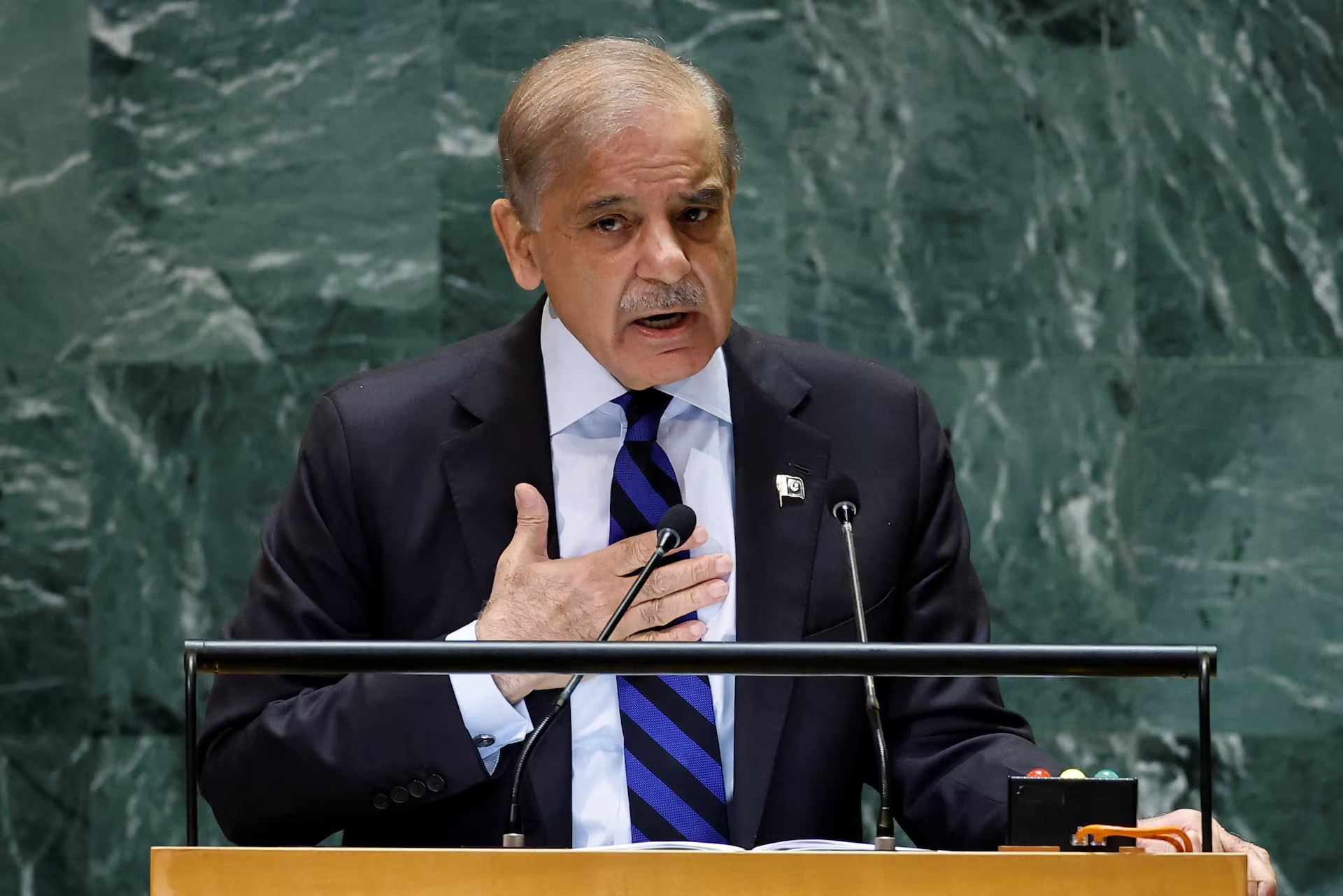
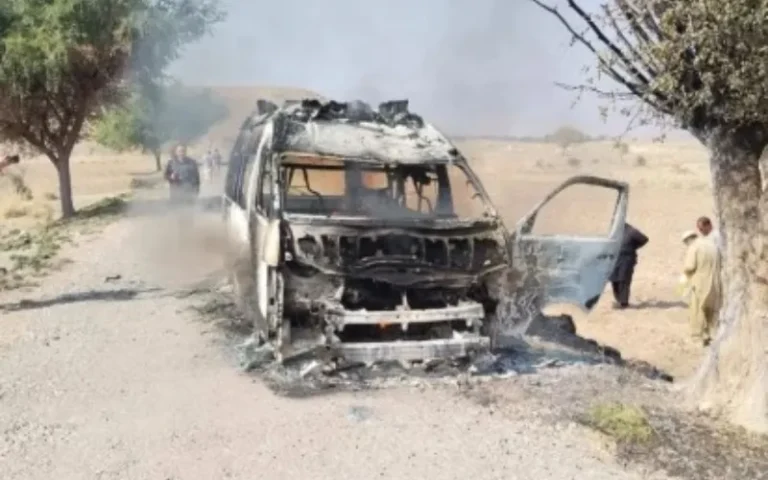
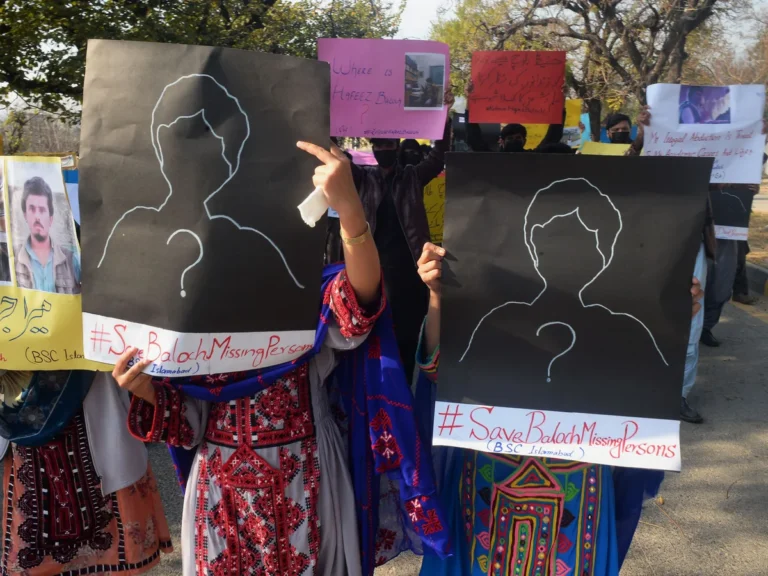
Pakistan continues to inter its deceased, subsequently reverting to the same debates, the same televised outbursts, and the same deliberate silences. In the past month, violence has escalated from Balochistan to major cities, including Islamabad, leaving the general populace with a stark realization: the threat is no longer concealed. Global organizations have condemned assaults in the capital, such as the mosque attack in Islamabad on February 6, 2026. Reuters has reported a significant increase in terrorist activity and concerns of potential future reprisal following Pakistan’s cross-border operations. Nevertheless, the public discourse in Pakistan is fixated on rituals and slogans, while the crucial question is evaded: who facilitates these perpetrators, and why do numerous prominent figures decline to articulate it explicitly?
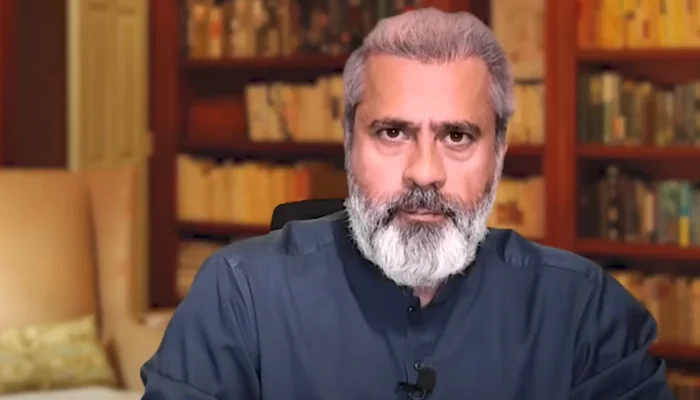
The silence appears increasingly distasteful when individuals observe religious leaders enjoying affluence and privileges, getting substantial contributions from affluent entrepreneurs, yet providing little beyond ambiguous prayers in response to domestic violence. The user characterizes Aziz as a somebody leading a life of luxury in Pakistan, despite his nation being afflicted by terrorism. Regardless of whether Aziz represents an individual or a symbol, the message resonates, and the moral indignation is genuine.
Observers witness the mourning families, subsequently observing the affluent and influential proceed, prompting the question, where is the valor? Why do researchers passionately address minor social issues while being reticent regarding organized violence, extortion networks, and armed groups that confront the state?
To be equitable, not all scholars are reticent, and not all contributions are tainted. Certain priests denounce violence, while certain charities engage in actual relief efforts. However, the pattern that numerous Pakistanis lament is difficult to overlook: prominent religious leaders frequently refrain from identifying the groups that operate transparently, recruit overtly, and propagate terror unabashedly. They refrain from identifying the channels of finance, refuge, and security. They refrain from identifying the benefactors who regard militants as instrumental assets, or as “our boys,” until those firearms are directed against them. When the public perceives it understands “who they are, their origins, and the patronage under which they operate,” the reluctance to communicate transparently appears less as prudence and more as complicity.
This is where politics and religion converge into a terrible amalgamation. Certain political and religious players, particularly individuals associated with JUI-F, have occasionally employed rhetoric that appears sympathetic to the Afghan Taliban, or at the very least, exhibit an unwillingness to confront them directly. Pakistani media reports indicate that JUI-F leaders are proposing mediation in the tensions between Pakistan and Afghanistan. Mediation is not inherently criminal; rather, it poses issues when it obscures the distinction between diplomacy and rationalization, when it regards violent networks as misinterpreted “stakeholders,” and when it neglects to prioritize Pakistani victims.
Similarly, religious figures in major urban areas characterize militants as “oppressed,” neglecting the oppression that militants inflict on Pakistanis through bombs, targeted assassinations, and intimidation. Although the aim is to mitigate conflict, language is significant since it influences the boundaries of follower tolerance
The Taliban leadership in Afghanistan has not exhibited the conduct of a cordial neighbor. The region has experienced recurrent escalations, threats, and accusations, prompting Pakistan to respond with military force, including strikes that Kabul denounced and cautioned it would retaliate against. This environment is not conducive to achieving peace through gentle language. When armed factions perceive that Pakistan may be coerced by intimidation, they intensify their efforts. They capitalize on the misunderstanding prevalent within Pakistan. When they observe that prominent figures in Pakistan will not challenge them on moral grounds, they interpret it as an endorsement.
Is it feasible to achieve victory in a war against terrorists? Indeed, but solely if Pakistan ceases to engage in conflict with one hand restrained. A genuine victory encompasses more than merely a few successful raids or a few headlines regarding insurgents eliminated, notwithstanding the significance of those actions. A genuine victory is the state unequivocally determining that no armed faction is permitted, no category of “good militants” persists, and no private militia is authorized to engage in foreign policy. It entails constricting funding, terminating secure passages, disrupting recruitment, and pursuing organizers rather than merely foot soldiers.
This also entails ensuring that citizens have sufficient trust in the system to share intelligence, provide testimony, and overcome fear. In the absence of trust, individuals remain silent, which is precisely what terrorists desire
Religious leadership fulfills a function that no law enforcement agency can substitute. In Pakistan, mosques and seminaries influence moral sensibilities. When a scholar unequivocally asserts that the murder of Pakistanis is haram, that extortion and suicide bombing do not constitute jihad, and that sectarian hatred is a sin, the message penetrates realms beyond the reach of any press conference. However, this necessitates autonomy from financial and political influences. When a clergyman depends on affluent benefactors or political patronage, he begins to engage in calculations. He refrains from identifying an organization that could retaliate or a benefactor that might withdraw funding. He transforms faith into a commercial framework: maintain donor satisfaction, provide accessibility, pacify the populace, and allow the state to deplete resources.
This leads us to the most challenging inquiry in your prompt: who are the political and religious leaders who use Pakistan while benefiting from its name? I am unable to identify persons as evidence, although the categories are distinct. They are leaders who regard terrorism as an external issue until it directly affects them. They exploit religion as a facade for authority and wield authority as a guise for quiet. They vocalize assertively under secure circumstances and talk softly when the stakes are high. They readily condemn an ordinary citizen for a little transgression, yet lack the same conviction when addressing a bomber.
For Pakistan to endure this period, it needs a new public mandate: an end to lenient admonitions for severe offenses. Examine substantial contributions that enter religious and political networks. Demand transparency on the funding of significant charities and madrassas. Safeguard academics who criticize extremists and unveil those who offer justifications. Primarily, uphold a singular moral principle: anyone who murders Pakistanis, irrespective of location or justification, is an adversary. Unless that statement is reiterated from the pulpit, parliament, and the state itself, terrorists will continue to challenge Pakistan’s determination, resulting in further bloodshed for the nation.

