
Pakistan and Russia’s New Direction
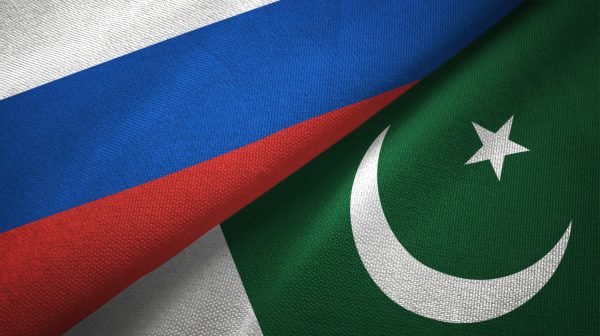
International relations are rarely governed by permanent friendships or rivalries. They evolve as countries reassess their interests, respond to changing geopolitical realities and identify opportunities for cooperation. Pakistan and Russia offer a compelling example of this transformation. Once divided by Cold War politics and competing regional priorities, the two countries are gradually developing a relationship shaped by economic opportunities, regional connectivity and shared security concerns. The challenge now is to turn this diplomatic progress into a meaningful and sustainable partnership.
Pakistan and the Soviet Union established diplomatic relations in 1948, but their relationship soon became entangled in Cold War rivalries. Pakistan joined Western-backed security alliances, including SEATO and CENTO, while Moscow cultivated close strategic relations with India. Nevertheless, cooperation was not entirely absent. Soviet mediation following the 1965 India–Pakistan war produced the Tashkent Declaration in 1966, while Soviet assistance contributed to the establishment of Pakistan Steel Mills. These developments demonstrated that political differences did not necessarily prevent constructive engagement.
The Soviet intervention in Afghanistan in 1979, however, created deep mistrust. Pakistan supported Afghan resistance against Soviet forces, placing both countries on opposing sides of a prolonged conflict. Even after the Soviet withdrawal and the dissolution of the Soviet Union in 1991, historical suspicions continued to influence bilateral relations. It took changing regional circumstances and a growing recognition of mutual interests to create conditions for renewed engagement.
A significant breakthrough came with the 2014 defence cooperation agreement. Joint military exercises, particularly the Druzhba series, subsequently helped build confidence between the two armed forces. Pakistan’s membership of the Shanghai Cooperation Organisation further expanded opportunities for cooperation on counterterrorism, regional stability and economic connectivity. More importantly, both countries increasingly recognised that their relationship should not remain hostage to historical disagreements or their respective ties with other powers.
Economic cooperation now offers the greatest opportunity to strengthen this relationship. Pakistan continues to face energy shortages, high production costs and industrial challenges, while Russia possesses considerable expertise in oil, gas, refining and energy infrastructure. Cooperation in petroleum supplies, exploration, modernisation of energy facilities and technical development could help Pakistan address some of these difficulties. However, such initiatives must be based on commercial feasibility, transparent financing and reliable payment arrangements rather than political announcements alone.
Trade remains another largely untapped opportunity. Pakistan can expand exports of textiles, agricultural products, pharmaceuticals, surgical instruments and manufactured goods, while Russia can supply machinery, fertilisers, industrial inputs and energy products. Yet limited banking channels, transportation costs, regulatory requirements and insufficient business contacts continue to restrict trade. Stronger engagement between chambers of commerce, private companies and financial institutions could help overcome these barriers. Both countries should also explore practical trade arrangements that comply with applicable international financial and regulatory obligations.
Industrial cooperation deserves equal attention. Russian technical expertise in engineering, steel production, machinery and industrial equipment could support Pakistan’s efforts to modernise its manufacturing sector. Joint ventures, technology transfer and investment partnerships could create employment while improving industrial productivity. The historical association of Russia with Pakistan Steel Mills also provides an opportunity to explore commercially viable industrial rehabilitation and modernisation projects.
An equally promising area is digital technology. Pakistan’s growing software industry and skilled IT workforce could complement Russian expertise in cybersecurity, artificial intelligence, cloud computing and advanced engineering. Partnerships between technology companies, universities and research institutions could encourage innovation, technical training and joint product development. Rather than limiting cooperation to government agreements, both countries should facilitate direct engagement between businesses capable of delivering measurable commercial results.
Geography provides another compelling reason for closer cooperation. Pakistan’s ports at Karachi and Gwadar could potentially connect Russia and Central Asia with Arabian Sea trade routes. In May 2025, Pakistan identified six prospective trade corridors linking its ports with Moscow through China, Central Asia, Afghanistan and Iran. Opportunities associated with the International North-South Transport Corridor also deserve serious consideration. Nevertheless, infrastructure limitations, transit regulations and regional security challenges must be addressed before these proposals can become dependable commercial routes.
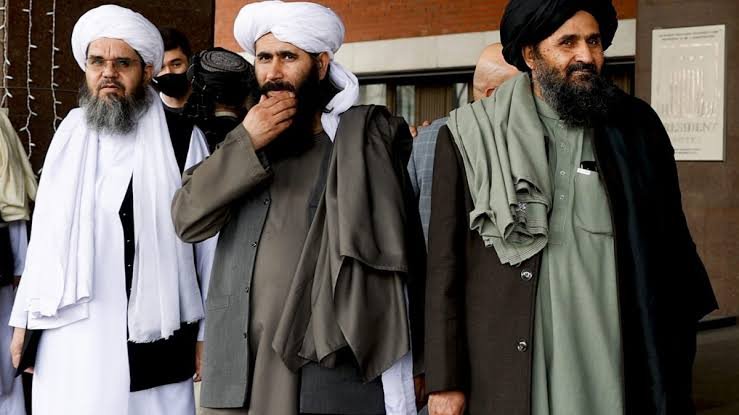
Afghanistan remains particularly important to the future of regional connectivity. Pakistan faces serious security threats from the Tehreek-e-Taliban Pakistan and other militant networks operating from Afghan territory, while Russia remains concerned about transnational extremist organisations, including Islamic State Khorasan Province. These overlapping concerns provide a basis for stronger counterterrorism cooperation, intelligence coordination and institutional engagement through the SCO’s Regional Anti-Terrorist Structure. Without stability in Afghanistan, ambitious regional transport and investment projects will remain vulnerable to disruption.
Encouragingly, the bilateral relationship is increasingly supported by institutional engagement. The tenth Pakistan-Russia Intergovernmental Commission, held in Islamabad in November 2025, advanced discussions across several economic sectors. Preparations for its next session in Moscow in November 2026 provide another opportunity to move from declarations towards implementation. Both governments should prioritise a limited number of achievable projects, establish clear responsibilities and regularly assess progress.
Pakistan’s engagement with Russia should not be viewed as a departure from its existing international partnerships. Rather, it reflects the practical requirements of a diversified foreign policy in an increasingly complex world. Similarly, Moscow can strengthen its engagement with South Asia without defining that relationship through regional rivalries.
The future of Pakistan-Russia relations will depend less on diplomatic symbolism and more on tangible economic and security outcomes. Energy cooperation, diversified trade, industrial investment, technological partnerships and secure regional connectivity can provide the foundations of a durable relationship. History explains why the two countries remained distant for decades, but their shared interests offer a convincing reason to move closer. The opportunity now is to transform strategic convergence into lasting economic cooperation and regional stability.

