
Taliban Regime’s Staged Gathering Exposes Its Legitimacy Crisis
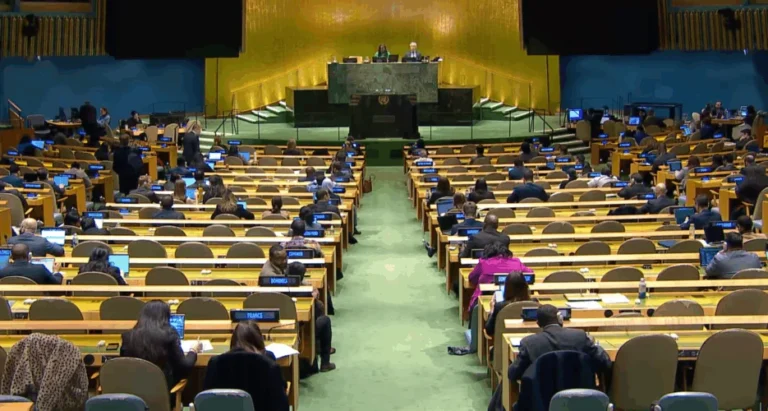
The controversy becomes more troubling when one considers where the event was held. Kabul University, historically one of Afghanistan’s most important centres of higher education, was transformed into a platform for promoting the supreme leader’s decrees. Reports indicate that academic activities were suspended for several days, while students were removed from university accommodation to make arrangements for participants. Universities should encourage independent inquiry, intellectual debate and critical thinking. Their purpose is not to provide political legitimacy to those exercising power. When classrooms fall silent so that political endorsements can take centre stage, the message to students is unmistakable: loyalty matters more than learning.
The decision to confer the title of Sheikh-ul-Islam upon Hibatullah raises further questions. According to media reports, professors attending the conference were asked whether the Taliban leader should receive the religious title. Taliban-affiliated media subsequently announced that scholars had endorsed him, without publicly establishing a transparent voting process or the representative nature of the gathering. Religious scholarship deserves respect precisely because it should be guided by knowledge, independent judgment and moral responsibility. When religious recognition becomes closely associated with political authority, it risks becoming an instrument of personal glorification rather than genuine scholarly consensus.
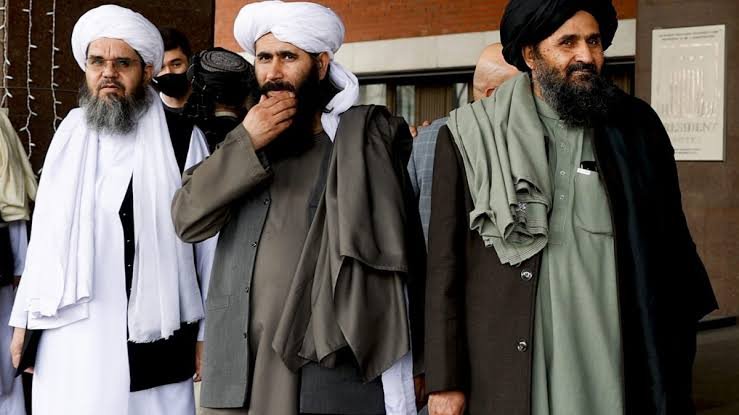
Hibatullah’s own remarks reinforced concerns about the concentration of authority. He emphasised obedience to the supreme leader, the implementation of his decrees and the preservation of the Islamic Emirate. However, loyalty to an individual cannot automatically be treated as loyalty to religion or country. Afghanistan is not the personal possession of any leader, council or political movement. Its people have different histories, beliefs, ethnic identities and political aspirations. A sustainable government must accommodate these differences through institutions and consultation rather than expecting unconditional acceptance of decisions made by a narrow leadership circle.
Interestingly, criticism is no longer confined to opposition movements. Taliban Interior Minister Sirajuddin Haqqani publicly acknowledged that many people disagreed with Hibatullah’s policies. He also cautioned against glorifying individuals and stressed the importance of institutions over personalities. These remarks reveal significant differences within the Taliban leadership, particularly between the authority concentrated around Kandahar and influential figures operating in Kabul. Although internal disagreement does not necessarily mean an imminent split, it certainly undermines the image of unquestioned unity that the Taliban leadership attempts to project.
The joint statement issued by Jamiat-e-Islami Afghanistan and the National Resistance Front directly challenges this political arrangement. Both movements rejected the Kabul University gathering as an attempt to manufacture legitimacy and insisted that political authority must originate from the people. Their demands for elections, justice, equal citizenship and accountability address a fundamental problem in Afghanistan: political power remains concentrated in the hands of an unelected movement. Offering administrative positions to selected opponents cannot resolve this crisis. Afghans need the right to determine who governs them, not merely an invitation to serve those already in power.
General Yasin Zia, leader of the Afghanistan Freedom Front, has articulated a similar vision. His argument goes beyond replacing the Taliban with another powerful faction. He advocates a lawful, inclusive and elected political order in which authority is transferred through constitutional procedures rather than armed force. This distinction matters enormously. Afghanistan has suffered decades of conflict in which successive armed movements claimed national leadership. Breaking that cycle requires institutions strong enough to prevent any individual or organisation from permanently monopolising political power.
The exclusion of Afghan women makes the Taliban’s legitimacy problem even more serious. Women remain barred from universities and meaningful political participation, while restrictions continue to undermine their economic independence and public lives. Political movements, civil society representatives and citizens holding different opinions also lack meaningful opportunities to influence national decisions. No government can credibly claim comprehensive national representation while systematically excluding significant sections of its population. The legitimacy of a political system should be measured by the rights it protects, not the obedience it demands.
Religion must not become a convenient justification for political monopolisation. Islamic principles place considerable importance on justice, consultation, responsibility and human dignity. Religious scholars therefore have a moral obligation to examine government conduct critically, particularly when public rights are restricted. Genuine religious authority should strengthen accountability, not place political leaders beyond scrutiny. Those who question policies are not necessarily enemies of religion, and disagreement should never automatically be treated as disloyalty.
Afghanistan’s future cannot be decided exclusively by Hibatullah Akhundzada or the leadership circle surrounding him in Kandahar. It belongs to Afghan citizens, including women, young people, religious communities and political groups whose voices have been marginalised. The Kabul University gathering may have generated declarations of loyalty, but it did not resolve the underlying question of public consent. Until Afghans can freely choose their representatives, participate equally in political life and hold their rulers accountable, the Taliban’s legitimacy crisis will remain unresolved. Political authority cannot be manufactured through staged ceremonies. It must be earned through justice, inclusion and the freely expressed will of the people.

