


Leftover US Weapons in Afghanistan Fuel TTP
There is something deeply uncomfortable about reading a serial number on a recovered weapon and tracing it back to a US Army procurement order. Yet that is exactly what Pakistani security officials, American investigators, and United Nations monitors have been doing with growing frequency since 2021. The story those serial numbers tell is one of strategic negligence, and Pakistan is paying for it in blood.
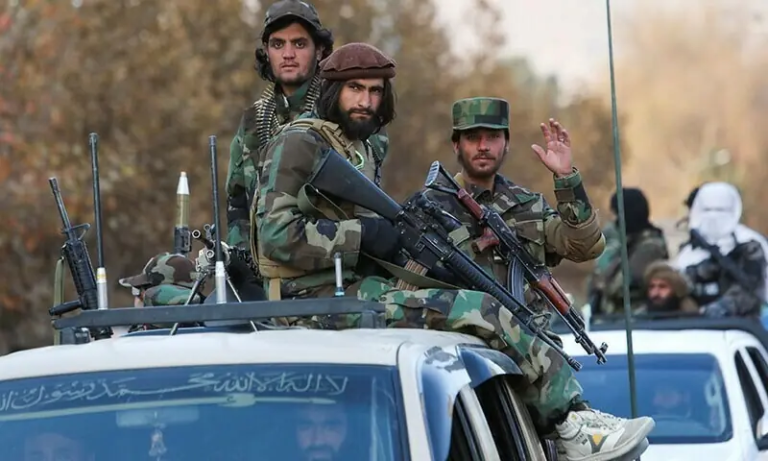
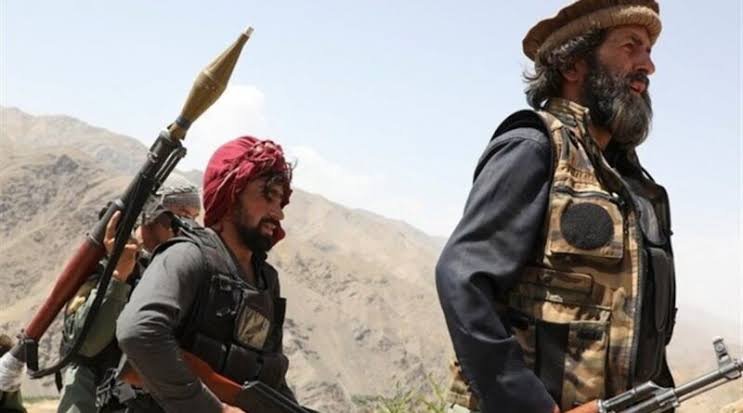
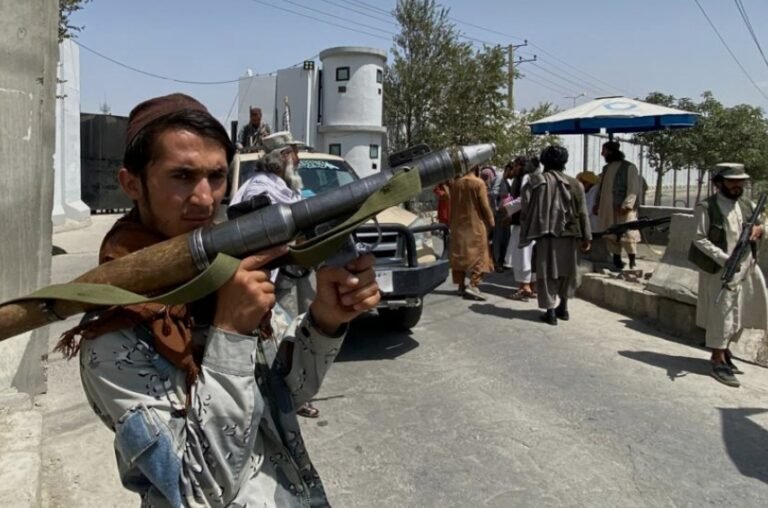
When US forces withdrew from Afghanistan in August 2021, they left behind military equipment worth an estimated $7.12 billion. The intent was to leave the Afghan security forces capable of defending themselves. What actually happened, in the chaos that followed the collapse of those very forces, was that an arsenal of modern American weaponry found its way into the hands of the most dangerous terrorist network operating in the region today, the Khawarij outfit operating under the banner of Tehreek e Taliban Pakistan, or TTP.
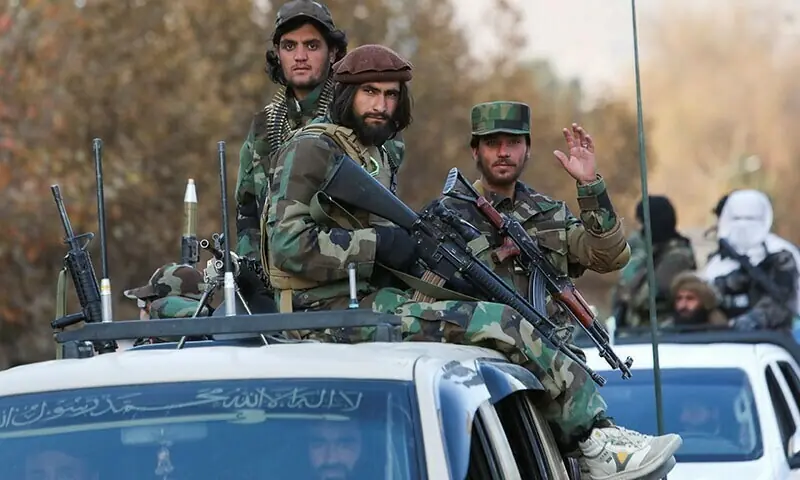
The evidence is no longer circumstantial. By 2025, Pakistan’s security forces had recovered 293 US made weapons from eliminated terrorists, comprising 208 M16 rifles, 53 M4 carbines, 7 machine guns, 4 sniper rifles, and 21 miscellaneous sighting systems. A Washington Post investigation went further, tracing the serial numbers of at least 63 weapons seized from terrorists in Pakistan directly back to US supplied Afghan security force stocks. The Pentagon and the US Army confirmed those findings. These are not grey market purchases from some obscure arms dealer. These are weapons that the American taxpayer funded, the US military supplied, and the Afghan Taliban inherited, and then, by all evidence, redirected.
The United Nations Security Council’s monitoring team has been explicit on this point. The team has pointed to allegations that Taliban commanders are supplying modern weapons to what Pakistani authorities call Fitna al Khawarij, the TTP, drawing from the former Afghan security force stockpiles. The Small Arms Survey’s findings make this pattern even harder to dismiss as opportunistic looting: the Taliban guard M4 rifles and night vision devices more carefully than any other category of inherited equipment. And yet these are precisely the items that keep appearing in the hands of TTP terrorists. When the best guarded weapons consistently reach one specific group, calling it leakage strains credibility.
The night vision gear deserves particular attention because it has fundamentally altered the tactical calculus on Pakistan’s frontier. A police officer from one of the worst affected border districts described the situation with brutal clarity: the terrorists could see Pakistan’s police in the dark, but the police could not see them. That asymmetry is not a minor operational inconvenience. It is a force multiplier that has cost lives in every nighttime engagement since 2021. United Nations monitors confirmed that the TTP’s access to night vision equipment has directly increased the lethality of attacks on Pakistani border posts.
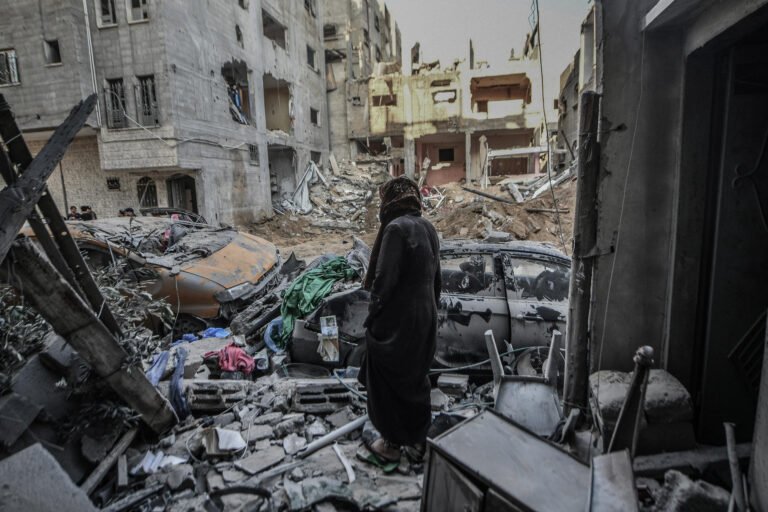
The human cost of this abandoned arsenal has been staggering. The year 2025 became the deadliest for security forces since 2011, with 664 personnel killed alongside 580 civilians, the worst for civilian casualties in a decade. Pakistan’s total violence related deaths reached 3,413 in 2025, compared with 1,950 in 2024, a 74 percent surge in a single year. Suicide attacks also rose by 53 percent, with 26 incidents recorded. Pakistan now ranks second on the Global Terrorism Index. These are not statistics about a distant conflict; they represent fathers, sons, officers, and constables who went to their posts and did not come back.
What makes this situation harder to accept is that Pakistan saw it coming and said so, loudly and repeatedly. Senior diplomats conveyed concerns to Washington through private meetings and public statements alike, sharing evidence whenever American night vision devices or M4 carbines turned up at crime scenes. Those concerns were acknowledged politely and acted upon insufficiently.
The question now is not whether the weapons problem exists, that debate is settled, but what can be done about it. Retrieval is a fantasy. The Taliban will not voluntarily hand back what they regard as the spoils of their greatest political victory. The realistic path forward requires several interlocking measures.
The most urgent is closing Pakistan’s tactical disadvantage. The United States, whose withdrawal created this imbalance, should supply matching asymmetric warfare equipment, including thermal imaging, night vision systems, and advanced communications, to Pakistan’s police and Counter Terrorism Department units working the frontier. This can be done through the Foreign Military Sales programme or targeted one time assistance. It is not charity; it is a reasonable obligation that follows from the spillover consequences of American policy choices.
Beyond hardware, the financial leverage that donor countries hold over Kabul must be exercised. The TTP enjoys access to weapons, logistical support and operational backing from the Afghan Taliban through longstanding relationships, creating a permissive environment for cross border terrorism. Afghanistan remains heavily dependent on foreign assistance. If that assistance continues to flow without conditions, it underwrites a government that is allowing, and by credible accounts facilitating, attacks on a neighbouring country. Saudi Arabia, Qatar, Türkiye and China have attempted quiet diplomacy with the Taliban on the TTP question. Those efforts have not worked. Conditional aid is the next lever, and it should be pulled.
There is also a legal dimension that has been underutilised. The TTP is a UN designated entity subject to a binding arms embargo. Supplying it is a sanctions violation, full stop. Pakistan should press the Security Council to have its Monitoring Team report specifically and publicly on arms flows to the TTP, naming those who facilitate them. A public, documented record is far harder to ignore than bilateral complaints.
Finally, every weapon recovered from a terrorist should be systematically logged, its serial number traced, and the results made public. The Washington Post’s investigation demonstrated that this forensic accountability is achievable. A comprehensive public record would strip away the deniability that Kabul currently relies upon and bring international scrutiny to bear on a problem that remains invisible to most of the world.
Pakistan has been drawn into an open military confrontation with Afghanistan, rooted in decades of border disputes that have now been sharpened by the TTP’s cross border campaign. This did not emerge from nowhere. It emerged from a hasty withdrawal that left a power vacuum, a modern arsenal, and a terrorist network with the connections to exploit both. The weapons do not respect the Durand Line. Neither do the Khawarij who carry them.
The lesson of August 2021 is a hard one. When a superpower withdraws in haste, the war does not leave with it. The guns stay behind. The wrong hands find them. And the neighbours count their dead.
Pakistan is counting. The world should start paying attention before the bill arrives somewhere else.

