



Taliban Regime’s Angoor Adda Propaganda
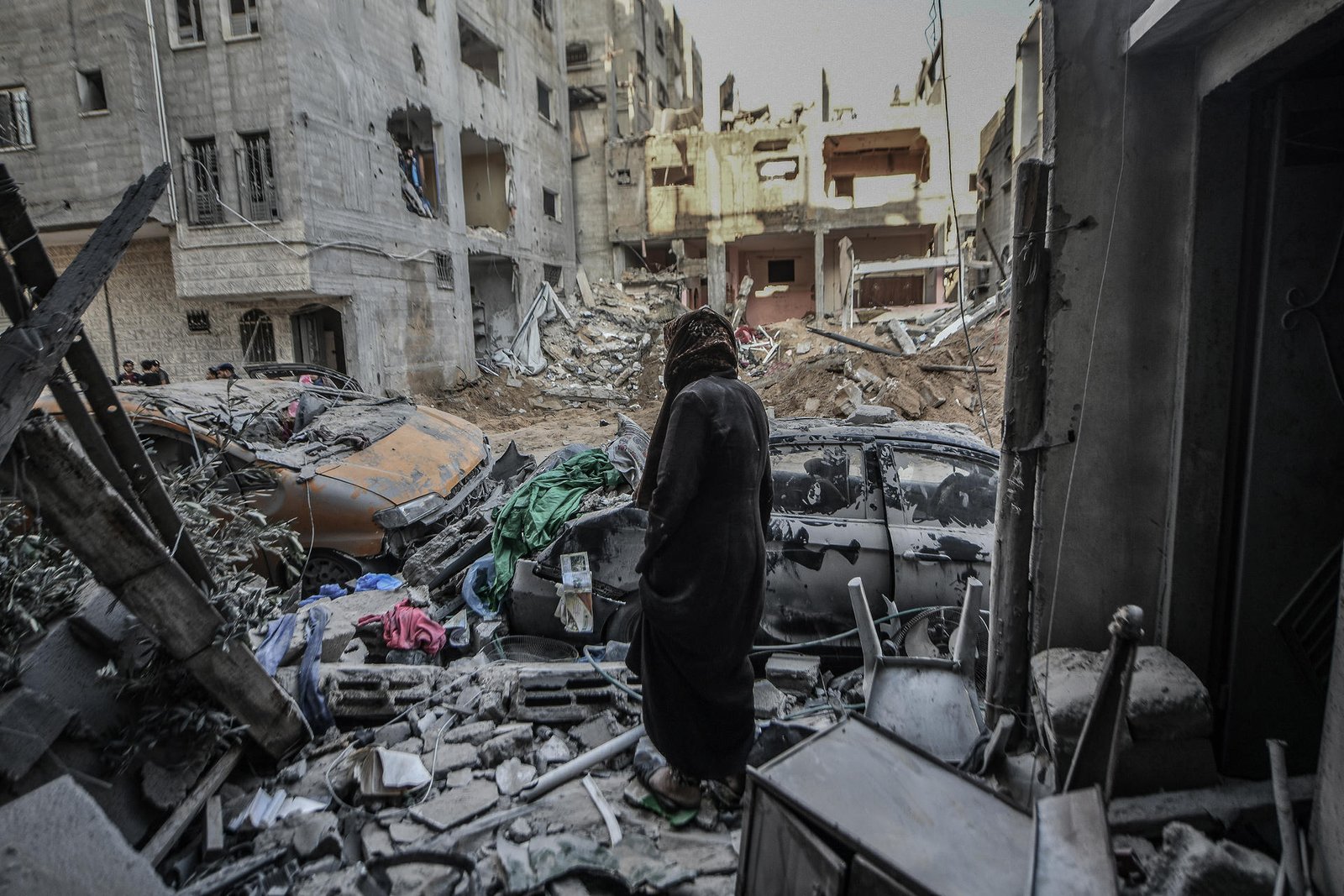
Wars are not fought on battlefields alone. They are also fought through competing accounts of what happened, who fired first and who should be held responsible. The latest confrontation at Angoor Adda, along the Pakistan-Afghanistan border, illustrates this troubling reality. On October 27, 2026, cross-border firing and mortar shelling struck civilian areas in South Waziristan, leaving one person dead, five injured and several shops damaged. Pakistani authorities blamed Afghan Taliban forces for initiating the attack. What followed was a forceful military response from Pakistan and an equally intense dispute over responsibility.
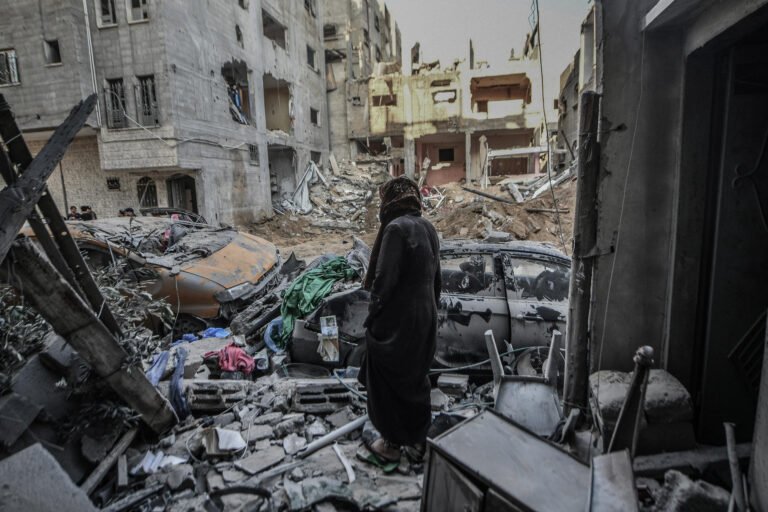
For the people of Angoor Adda, however, this was never merely another border incident. A mortar shell striking a family home is not an abstract security development. It means shattered lives, frightened children and families wondering whether another attack will follow. The damaged marketplace tells a similar story. Small traders who depend on daily earnings cannot afford prolonged insecurity. Their livelihoods are easily destroyed, yet rebuilding them can take years. These human consequences deserve far more attention than the political statements emerging from Kabul.
Pakistan’s account of the confrontation is straightforward. According to its Ministry of Information and Broadcasting, Taliban forces initiated unprovoked firing and mortar attacks against Pakistani civilian areas, compelling security personnel to respond. The ministry subsequently reported that Pakistani forces inflicted substantial losses on Taliban positions, including the destruction of seven military posts. Afghan authorities presented a competing account, alleging that Pakistani drone strikes triggered the exchange. The battlefield claims remain independently unverified, but the civilian casualties and damage reported by local Pakistani authorities demand serious scrutiny.
The Taliban leadership cannot reasonably expect allegations of civilian casualties to disappear beneath official denials. If Kabul believes Pakistan initiated the confrontation, it should provide credible evidence rather than rely exclusively on statements from military spokespersons. Satellite imagery, independently verified footage and a transparent examination of the sequence of events would carry far greater weight than accusations. Information warfare may influence public perception temporarily, but it cannot substitute for verifiable facts.
Pakistan’s military response also carries an important strategic message. A country facing cross-border attacks cannot simply allow its civilian settlements and security installations to remain exposed. According to Pakistani security sources, the retaliatory operation targeted Taliban border posts, defensive positions and mortar installations, forcing personnel to abandon several locations. The reported destruction of seven posts, if independently established, would demonstrate the operational cost of provoking a militarily stronger neighbour. More importantly, it would reinforce Pakistan’s determination to defend its territorial integrity.
Yet the significance of Pakistan’s response should not be measured exclusively through damaged military positions or reported battlefield casualties. Effective deterrence means convincing an adversary that another provocation will be costly enough to avoid. It also requires discipline, proportionality and clear military objectives. Pakistan’s security forces have a responsibility to protect the population without allowing an isolated confrontation to develop into an uncontrolled conflict. Military strength becomes most valuable when it prevents further violence.
The deeper problem lies in Kabul’s increasingly confrontational relationship with Islamabad. Pakistan has repeatedly accused the Taliban authorities of allowing militant organisations, particularly Tehreek-e-Taliban Pakistan, to operate from Afghan territory. Kabul rejects these accusations. Nevertheless, the continuing security dispute has created an atmosphere in which even a localized border confrontation can rapidly acquire national significance. Unless the underlying disagreements are addressed, temporary calm along the frontier will remain vulnerable to another outbreak of violence.
There is also a political contradiction that the Taliban leadership must confront. It repeatedly demands respect for Afghanistan’s sovereignty while Pakistan accuses its forces and Afghanistan-based militants of threatening Pakistani territory. Sovereignty cannot operate as a selective principle. The same respect that Kabul demands for its borders must extend to Pakistan’s borders and civilian population. A government seeking international legitimacy should understand that responsible conduct toward neighbouring states is an essential requirement of credible governance.
The information campaign surrounding Angoor Adda raises another concern. In the age of instantaneous communication, disputed claims can travel much faster than verified evidence. Dramatic descriptions of battlefield victories, misleading photographs and unsupported casualty figures can easily inflame public sentiment. Taliban spokespersons may attempt to portray their forces as successful defenders, while Pakistani officials reject those claims as fabricated. The responsibility of journalists and independent observers is to distinguish documented events from competing military assertions.
Pakistan must also ensure that the affected border communities do not disappear from public attention once the immediate confrontation ends. Damaged homes and commercial establishments require assessment, assistance and reconstruction. Injured civilians deserve medical support, while bereaved families deserve meaningful compensation. Protecting sovereignty involves more than defending a boundary. It means ensuring that the people living along that boundary can work, trade and raise their families without constantly fearing the next mortar attack.
Ultimately, Angoor Adda should serve as a warning to Kabul rather than an invitation to further confrontation. Pakistan has demonstrated its willingness to respond militarily to what it describes as aggression, and the Taliban authorities would be mistaken to underestimate that determination. But the longer-term solution requires credible border management, meaningful counterterrorism cooperation and restraint from both sides.
Pakistan’s sovereignty is non-negotiable, and attacks on civilians cannot be excused through political rhetoric. Kabul must recognise that confrontation carries consequences, while propaganda cannot resolve the security failures underlying the relationship. The real measure of success will not be another disputed claim of battlefield victory. It will be whether the people of Angoor Adda can return to their homes and businesses without fearing that their lives will once again become casualties of a dangerous border dispute.

