

BLF Propaganda Turns Death into a Recruitment Weapon
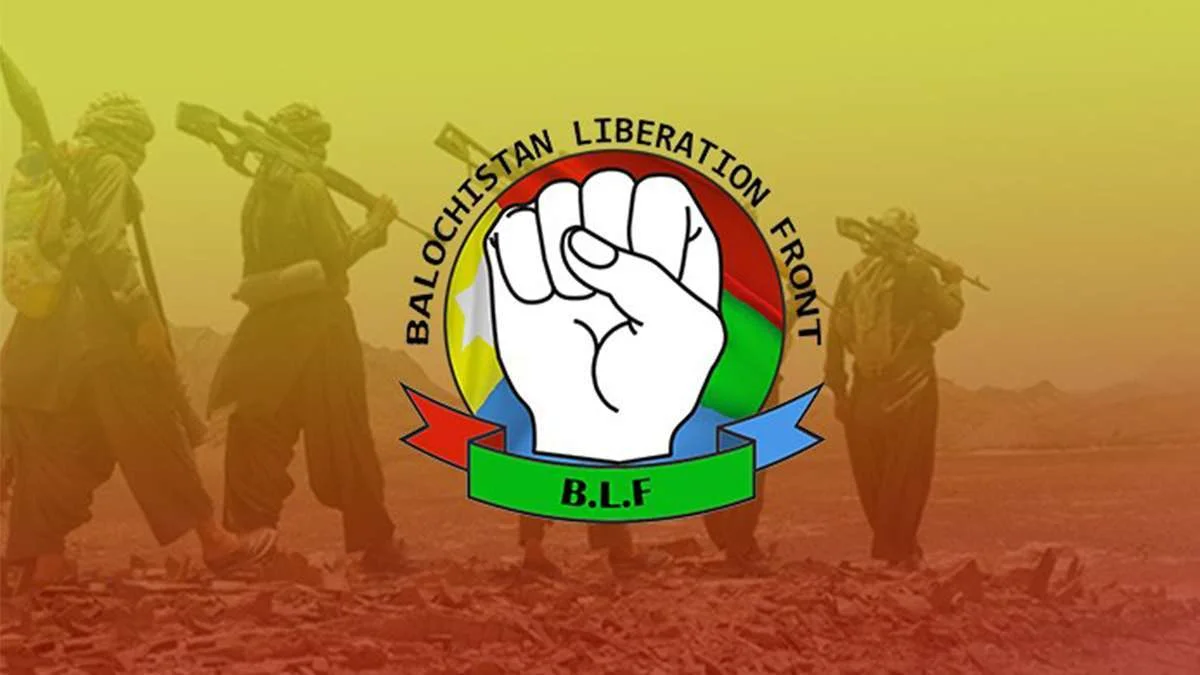
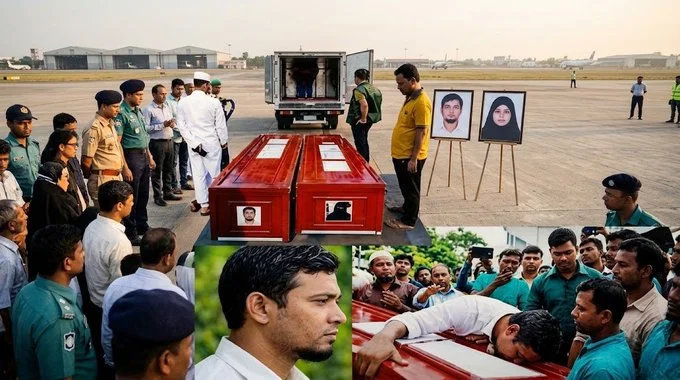
When the Balochistan Liberation Front’s (BLF) media wing released its glossy martyr posters following Operation Almas in Gwadar, complete with names, aliases, dates, and the polished aesthetic of a corporate brochure, it was not grief speaking. It was strategy. And understanding that distinction is essential for every Baloch family that loves its children.
Operation Almas, launched on October 22, 2026, saw BLF’s Saddo Operational Battalion claim coordinated attacks across multiple locations in Gwadar district, including the Frontier Works Organisation camp at Zero Point. The group’s spokesperson, Major Gwahram Baloch, made sweeping claims of Pakistani security force casualties and territorial seizures, promising a final tally “after the operation concludes.” By the BLF’s own later admission, the operation lasted roughly 20 hours. The propaganda cycle, however, has no expiry date.
This is precisely the point. Terrorist organisations like the BLF are not primarily in the business of military conquest. They are in the business of narrative production. Every operation generates raw material, names, photographs, alias cards, that feeds a permanent recruitment machine aimed squarely at vulnerable young people across Balochistan.
The Propaganda Architecture
The BLF’s post operation releases follow a recognisable template. Fighters are presented not as casualties but as luminous symbols, “Jind Nadr Sangat,” devoted sacrificers, ideological warriors. The photographs are curated. The captions are poetic. The hashtags are carefully selected to maximise algorithmic spread: #OperationAlmas, #BalochMartyrs, #GwadarAttack, each one a doorway into a digital ecosystem designed to normalise violence and romanticise death.
Research on Baloch insurgent media strategies confirms this is deliberate and systematic. When the BLA similarly released imagery of female fighters, analysts at the Express Tribune noted that the deployment operated in two phases: the physical attack, and then the narrative attack. BLF has now adopted the same dual phase doctrine. The media release IS the second weapon.
By portraying slain terrorists as transcendent heroes, the BLF pursues several simultaneous goals: it signals organisational strength to rivals, emotionally destabilises the families of the deceased, and, most dangerously, presents death as meaningful, beautiful, and desirable to impressionable young recruits searching for identity and purpose.
The Exploitation of Women
Perhaps the most disturbing dimension of Operation Almas’s propaganda release is the inclusion of a female fighter’s martyr poster. Sangat Bilqees Didag, alias Almas, is presented as a warrior heroine. The framing is deliberate: the BLF wants the world to see female participation as proof of an empowerment ideology. It is nothing of the sort.
Analysts across multiple institutions have documented how Baloch terrorist organisations recruit women not through ideological persuasion but through manipulation, honey traps, emotional blackmail, and in some cases outright coercion. Security officials have recovered testimony from former female recruits describing fake online relationships, threats to family honour, and psychological grooming that leaves women trapped long before they are deployed. Pakistan’s Counter Terrorism Department warned in a recent report that the growing use of women in terrorist operations represents a “dangerous evolution in terrorist tactics”, one driven by cold strategic logic, not feminist solidarity.
The BLF’s new all female Karima Armed Assault Division (KAAD), announced in late 2025, was itself framed as a revolutionary vanguard. In reality, it follows a global playbook. Groups from Boko Haram to the LTTE institutionalised female fighters not out of ideological commitment to gender equality, but because women can evade security screening, generate disproportionate media attention, and shame men into joining the cause. When a female martyr poster is released, it is not tribute, it is a recruitment advertisement targeting the next generation of young Baloch women.
Forensic evidence suggesting possible drug use among some female attackers, including reports pointing toward captagon like substances, raises even darker questions about the methods used to prepare individuals for suicide missions. Coercion does not always leave visible marks. Sometimes it is chemical.
Who Actually Pays the Price
The BLF’s leadership issues statements from relative safety. Gwadar’s traders, transporters, fishermen, and labourers absorb the consequences. Attacks on FWO camps and CPEC linked infrastructure do not wound the Pakistani state in any lasting strategic sense. They disrupt supply chains, freeze investment decisions, and push daily wage workers further into economic precarity.
The Global Terrorism Index 2026 recorded 1,139 terrorism related deaths in Pakistan in 2025, the highest toll in over a decade. Balochistan accounted for a significant share. Behind every statistic is a family in Gwadar, Panjgur, or Turbat that lost a breadwinner, a student who cannot reach school safely, or a small business owner who cannot get goods to market. The BLF has carried out over 300 claimed attacks in a single year. The cumulative economic damage to ordinary Baloch communities is incalculable.
CPEC and the Gwadar Port development, whatever one’s views on their geopolitical implications, represent the most tangible infrastructure investment in Balochistan’s modern history, roads, energy corridors, port facilities, and potentially hundreds of thousands of local jobs. Attacks targeting this infrastructure are not strikes against an occupying power. They are strikes against the economic future of the Baloch people themselves.
The Proxy Dimension
The BLF has not operated in a geopolitical vacuum. Pakistan’s federal government formally designated militant groups operating in Balochistan as “Fitna al Hindustan”, recognising the documented use of these organisations as instruments of external pressure against CPEC and regional stability. The BLF’s own chief, Allah Nazar Baloch, publicly stated he would welcome support from India. Whether or not such support has materialised in specific operational form, the strategic alignment of interests between anti CPEC forces and Baloch terrorist organisations is documented, acknowledged, and consequential.
Foreign sponsors of instability do not care about Baloch lives. They care about keeping a strategically vital province ungovernable. Every BLF martyr poster is therefore also a product of a broader proxy agenda, one that uses Baloch youth as disposable instruments while their commanders and their foreign patrons remain insulated from consequences.
What Balochistan Actually Needs
The answer to the BLF’s propaganda is not counter propaganda alone. It is the patient, consistent delivery of what terrorist organisations claim to offer, identity, purpose, belonging, through legitimate and constructive channels. Education institutions that are protected and resourced. Employment pathways that connect youth to Balochistan’s mineral and maritime economy. Community networks that offer social cohesion without the price of violence.
Parents, teachers, religious scholars, and community elders have a role that no security operation can replace. Young people drawn toward the BLF’s messaging are not lost, they are searching. The question is whether their community, their province, and their country meet them before the terrorist recruiter does.
The glossy martyr posters from Operation Almas will circulate on social media for months. Every share, every admiring comment, is a small victory for an organisation that has built its survival on the deaths of young Baloch men and women. Recognising that dynamic, and refusing to be manipulated by it, is the first act of genuine resistance.
The views expressed are the author’s own, based on publicly available research and documented security analyses.

