






ADS A Fresh Start for KP’s Long Neglected Districts

There is a moment in the life of a policy failure when the weight of inaction becomes heavier than the political cost of intervention. That moment arrived for Khyber Pakhtunkhwa’s 12 designated districts on October 11, 2026. The establishment of the Area Development Secretariat is not merely a bureaucratic reshuffle. It is an acknowledgement, long overdue, that the people of these regions have been waiting far too long for the state to show up in any meaningful way.
Let us be honest about the context. The administrative merger of the former FATA regions with Khyber Pakhtunkhwa in 2018 was described as a historic step, but as observers consistently noted, the financial merger remained incomplete, resulting in major governance and development gaps. What was heralded as a constitutional milestone gradually revealed itself to be a structural half measure. Since 2018, only Rs 52 billion had been released out of the total Rs 400 billion pledged, an amount linked to reaching a consensus on allocating three percent to erstwhile FATA in the National Finance Commission award. The numbers speak plainly: the promise was generous, the delivery was not.
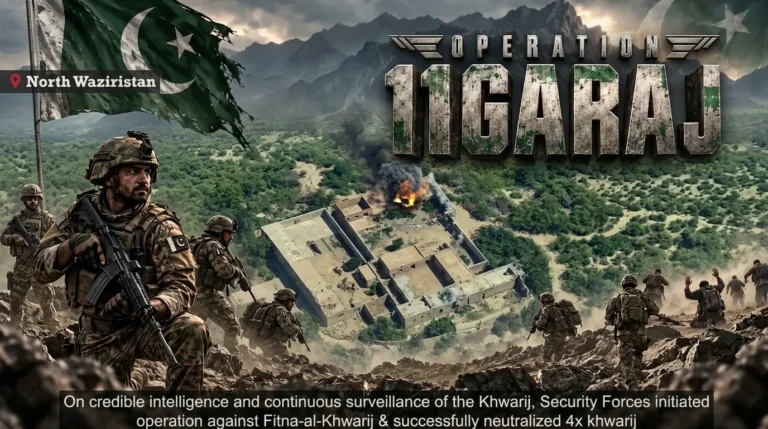
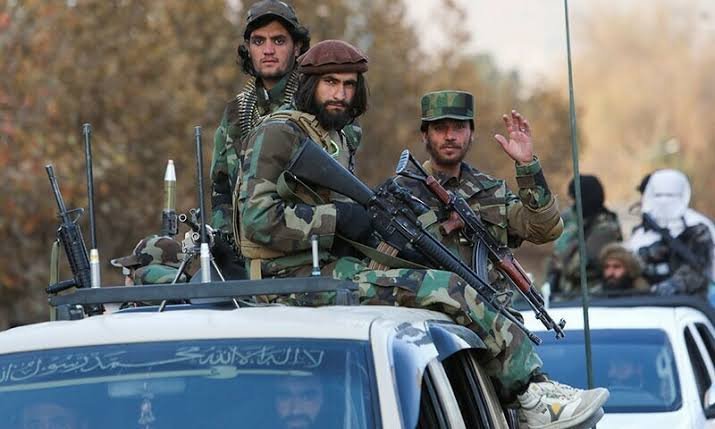
Meanwhile, the security vacuum left by this governance deficit did not stay empty for long. According to the Centre for Research and Security Studies, KP and Balochistan remained the country’s main hotspots for violence during the second quarter of 2026, with KP emerging as the worst affected region. Districts like North Waziristan, South Waziristan, Bannu, Kurram and Bajaur witnessed relentless pressure from Khawarij terrorists operating under the banner of Fitna al Khawarij. As recently as October 8, 2026, security forces were killing Khawarij in North Waziristan, underlining just how persistent and active this threat has been. A region without schools, hospitals, roads and responsive administration is fertile ground for those who exploit despair.
The ADS, established under the powers of Article 232 and overseen by an Area Representative and Development Council, represents a structural attempt to break this cycle. The Additional Chief Secretary, Khyber Pakhtunkhwa (Designated Districts), heads the secretariat and serves as administrator of the designated areas, with provincial officers and personnel from departments posted in these districts falling under the secretariat’s administrative and operational control. This kind of consolidated command is precisely what was missing before, when too many competing authorities and diffuse reporting lines allowed problems to multiply without resolution.
What makes this restructuring credible, if it is implemented faithfully, is the attention to specifics. The transfer covers education, agriculture, irrigation, forestry, social welfare, local government, industries, minerals, information, law and order, as well as the FATA Disaster Management Authority. Thirty posts in BS 17 to BS 20, including five special secretaries, ten deputy secretaries and fifteen section officers, have been transferred to the ADS alongside supporting staff. The establishment of an office of the Chief Police Officer for the 12 districts is an equally significant step. Security and civilian administration working under one coordinated framework rather than in bureaucratic silos is not a minor detail.
It is the operational premise upon which effective governance in conflict affected areas actually rests.
Critics will point out, fairly, that institutional restructuring has been tried before in these areas. Research from the ASPIRE KP Symposium Report noted that what exists in the merged districts is a shallow governance architecture without grounding, and that inappropriate fund allocation, and failures to allocate funds at all, have caused persistent suffering. That is a legitimate concern. The question is not whether a new framework is politically convenient but whether it is operationally serious. The test of the ADS will not be its gazette notification but what it delivers in classrooms, health facilities and district offices over the coming months.
Historically, the ex FATA territories were governed under colonial era Frontier Crimes Regulations that treated residents as subjects rather than citizens. Militancy thrived in the vacuum of governance; the region was used as a sanctuary by those who exploit the absence of state institutions. The 2018 merger tried to close that gap constitutionally. The ADS is an attempt to close it administratively and developmentally. Both moves were necessary; neither alone was sufficient.
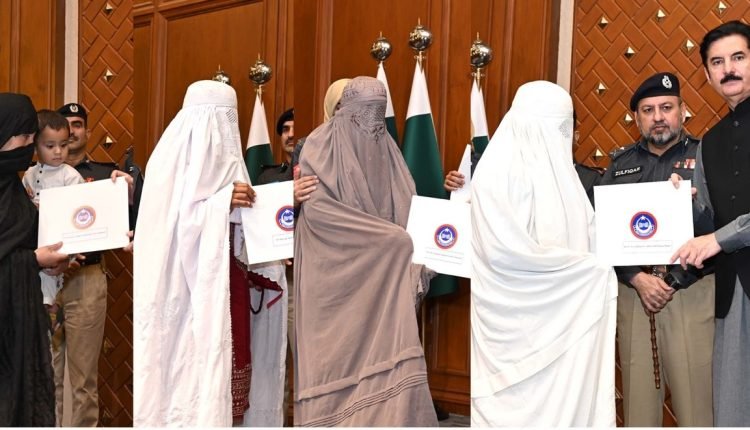
Governor Faisal Karim Kundi has approved the transfer of former FATA directorates and major institutions to the ADS. A special security meeting chaired by the Governor reviewed the situation and prioritised strengthening police and counterterrorism capabilities. That civilian security integration at the highest level sends the right signal, that this is not a purely military response nor a purely development initiative, but a recognition that lasting peace requires both, working together.
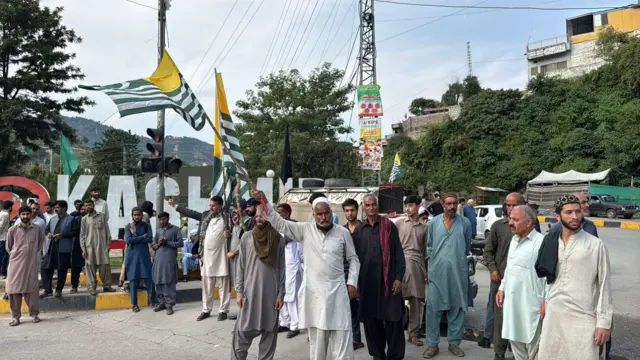
The people of Dera Ismail Khan, Tank, Lakki Marwat, Bannu, Bajaur, Mohmand, Khyber, Kurram, Orakzai, North Waziristan and South Waziristan are not asking for miracles. They are asking for what citizens elsewhere take for granted: a functioning school for their children, a responsive administration, roads that do not disappear in winter, and a government that knows their name. High public expectations, as the ADS narrative honestly concedes, are the product of years of unmet promises. Trust is not rebuilt through press releases.
What is needed now is implementation with accountability. Budgetary provisions must be adjusted, not deferred. Records and assets transferred must not sit in government offices collecting dust. The coordination between security and civilian institutions must be real, not ceremonial. Development planning must engage local communities, not import solutions that do not fit the terrain, geographic or human.
The ADS represents a genuine opportunity for the state to demonstrate it has learned from eight years of post merger shortcomings. For the 12 districts, this moment matters deeply. Whether it becomes a turning point or another chapter in the long story of deferred hope depends entirely on what happens next.

