





Angoor Adda Attack Exposes Taliban Aggression Against Pakistan
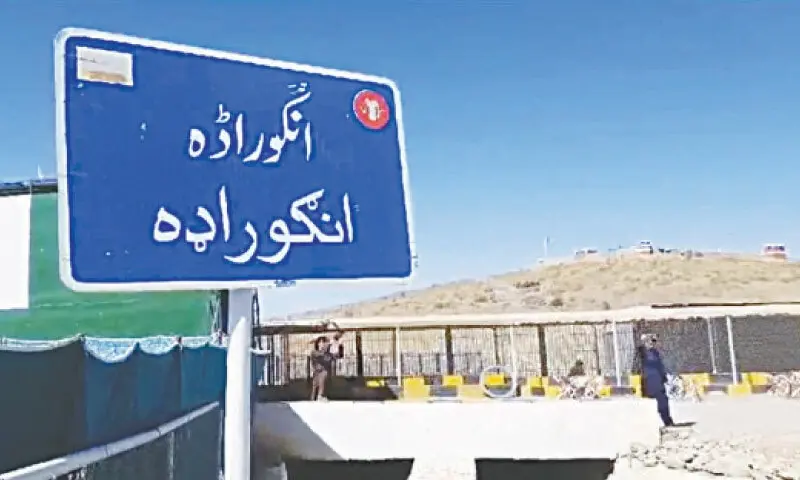
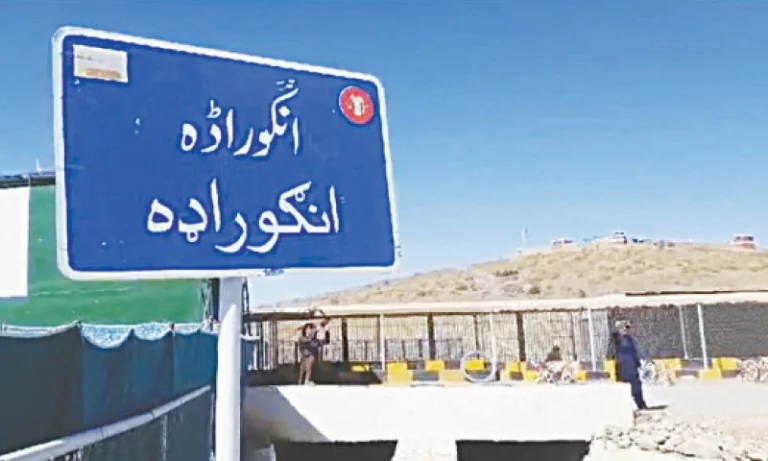
The smoke rising from Angoor Adda’s marketplace on the night of October 27 was not merely the residue of burning shops. It was a signal, a deliberate, calculated message from the Taliban Regime that it reserves the right to bring war to the doorstep of ordinary Pakistanis. A market. A bazaar. The most civilian of all civilian spaces. That is what they chose to target. And in doing so, they revealed something the world needs to confront honestly: the Taliban Regime is not behaving like a government. It is behaving like what it always was, a terrorist enterprise wrapped in the costume of statehood.
On the night of October 27, Afghan Taliban forces engaged in unprovoked firing on civilian houses and the Angoor Adda Bazar in South Waziristan, injuring five members of a single family and killing one person. Shops were damaged. Families were terrorised. And this happened not on a battlefield but in a market where people sell and buy bread, clothes, and the modest necessities of daily life. A mortar shell struck the area, killing one civilian and wounding five others in the same family. This is not a military operation. This is collective punishment of civilian Pakistanis.
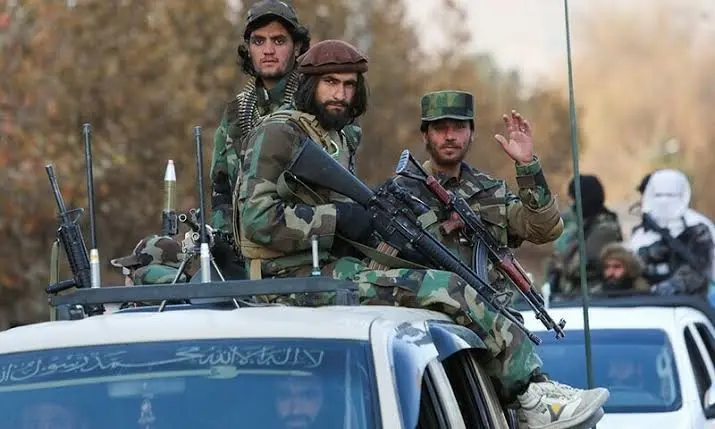
Pakistan’s response was immediate and proportional. Pakistani security forces launched a counteroperation, targeting Afghan Taliban border posts, mortar positions and defensive installations with small and heavy weapons, including artillery fire, forcing Taliban fighters to abandon their positions and flee. The Pakistan Army destroyed Taliban check posts across the border, sending a clear and unambiguous message: Pakistan will absorb no blow against its people without answering.
But let us not lose sight of the broader pattern here. This is not an isolated incident born of confusion or miscommunication along a disputed frontier. The Angoor Adda sector has witnessed several confrontations in recent months, including another reported exchange of heavy fire around October 19 and 20. What we are witnessing is a deliberate, sustained campaign of cross border aggression. The Taliban Regime is probing, pushing, and testing Pakistan’s resolve, one skirmish at a time.
The historical context of 2026 makes this even more alarming. Tensions have been rising for months along the Durand Line, the 2,600 kilometre border between the two countries, with repeated cross border exchanges intensifying since NATO’s withdrawal from Afghanistan. Pakistan had no choice but to respond with force earlier this year. Islamabad launched Operation Ghazab Lil Haq in February 2026, a coordinated campaign combining intelligence led operations within Pakistan, cross border strikes, and targeted aerial and drone attacks against terrorist hideouts inside Afghanistan. Pakistani air strikes hit military targets at 22 locations across Afghanistan, including in Kabul, Kandahar, Paktia, Nangarhar, Khost and Paktika provinces.
The scale of Operation Ghazab Lil Haq speaks to how seriously Pakistan was forced to take the threat. Information Minister Attaullah Tarar confirmed that Pakistani security forces killed 435 Afghan Taliban combatants and destroyed 188 tanks and vehicles, while 31 Afghan posts were captured and 51 locations across Afghanistan were successfully targeted in air strikes. These are not the numbers of a minor border scuffle. These are the numbers of a country that was genuinely provoked beyond the point of restraint.
Yet despite this massive military response, the Taliban Regime absorbed the consequences, went quiet for a few weeks, and then resumed its aggression, most recently by firing on a civilian market in Angoor Adda. What does that tell us? It tells us that the Taliban Regime has no intention of changing course through deterrence alone. The Khawarij mentality that drives these terrorists does not recognise civilised norms of warfare, let alone the sanctity of civilian life.
The latest attacks also came after Pakistan carried out calibrated air strikes against terrorist hideouts near the Afghan border and conducted intelligence based ground operations on September 21 that killed a total of 37 terrorists following a series of deadly attacks in KP. Time and again, Pakistan acts to neutralise the terrorist threat. Time and again, the Taliban Regime escalates. The cycle is not accidental. It is a deliberate strategy of low grade provocation designed to bleed Pakistan’s border communities, drain its military resources, and destabilise the region.
What makes the Angoor Adda market attack particularly unconscionable is its deliberateness. Markets are symbols of normalcy, of people who simply want to live, work, and provide for their families. Targeting civilian markets is not warfare; it is terrorism. It is what the Khawarij have always done: attacked the most vulnerable, struck the most ordinary, and called it ideology. The Taliban Regime, by harbouring and effectively operating alongside such elements, has made itself indistinguishable from them.
Pakistan’s border communities deserve better. The people of South Waziristan, who have endured decades of conflict, who have contributed blood and sacrifice to Pakistan’s war against terrorism, should not wake up to mortar shells landing in their bazaars. Their resilience is remarkable. Their patience is extraordinary. But resilience and patience should not be exploited as an excuse for continued aggression.
The international community, too, must take note. A regime that fires unprovoked on civilian markets, that repeatedly targets populated areas across an internationally recognised border, cannot be permitted to operate with impunity simply because it presents itself as a government. State behaviour carries accountability. The Taliban Regime must bear full responsibility for this dangerous pattern of escalation.
Pakistan’s resolve is unshakeable. Its armed forces have demonstrated repeatedly, from Operation Ghazab Lil Haq to the swift response at Angoor Adda on October 27, that no aggression against Pakistani soil will go unanswered. The fire in Angoor Adda’s market will be extinguished. But the message Pakistan sends in response must burn brighter and longer: this nation defends its people, its sovereignty, and its dignity without hesitation, without apology, and without compromise.
The smoke from Angoor Adda must be the last smoke the Taliban Regime thinks it can set rising on Pakistani soil. Because Pakistan is watching. And Pakistan will respond.

