


Public Choice and Political Consensus
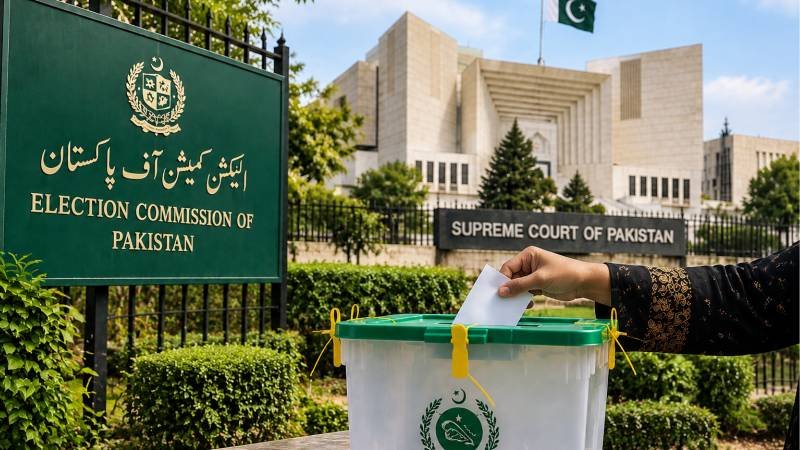
Pakistan’s debate over new provinces has returned to the political agenda, but one question remains largely unanswered. Who should decide how the country is governed? Is it the political leadership sitting in Islamabad and provincial capitals, or the millions of citizens who experience the consequences of administrative decisions every day? The 2023 Census recorded Pakistan’s population at 241.49 million. For a country of this size, the discussion is about more than drawing boundaries. It concerns political representation, public services and the relationship between citizens and the state.
Consider Punjab, home to nearly 128 million people. Its population exceeds that of many countries, yet its provincial administration remains concentrated in Lahore. For families in distant districts, government can feel frustratingly remote. A hospital without specialists, a delayed development project or an unresolved administrative complaint may have little to do with provincial boundaries themselves. Nevertheless, geographical distance and centralized decision-making can make these problems harder to address. Similar frustrations have shaped demands for greater administrative autonomy in Hazara and southern Punjab.
Public opinion gives this discussion another dimension. A Suno FM survey conducted in September 2026 reported that 75.52 percent of its 4,018 respondents supported creating new provinces, while 72.48 percent believed restructuring could improve governance. An August 2026 online poll by 92 News recorded 72.8 percent support among participants. Other media polls have reported similarly favourable responses. These figures cannot automatically be treated as nationally representative, particularly where participation was voluntary. Yet they suggest considerable public interest in an issue that deserves more systematic examination.
The challenge is translating that interest into an informed national conversation. Someone supporting six provinces may have entirely different expectations from someone advocating twelve or twenty-four. Some citizens seek improved services, others greater cultural recognition, employment opportunities or a fairer distribution of development funds. A credible consultation process would need to distinguish these demands rather than treating every favourable survey response as an endorsement of one particular constitutional arrangement.
Hazara illustrates why political declarations alone cannot settle the issue. The Khyber Pakhtunkhwa Assembly has adopted resolutions supporting a separate Hazara province, including a unanimous resolution in December 2025. Southern Punjab has an equally lengthy political history. In May 2012, the National Assembly passed a resolution supporting the creation of Janoobi Punjab, while the Punjab Assembly adopted resolutions concerning southern Punjab and Bahawalpur. Years later, neither demand has resulted in a new province. These cases demonstrate the difference between expressing political support and completing a constitutional process.
There are, however, genuine disagreements about restructuring. In September 2026, the Sindh Assembly rejected proposals that could alter the province’s territorial boundaries. Concerns about historical identity, linguistic representation, resource sharing and political stability cannot simply be dismissed. Equally, demands for administrative accessibility and fairer regional development require serious consideration. Political consensus becomes difficult when one side sees restructuring as administrative reform and another views it as a threat to provincial identity. Both concerns belong in the democratic debate.
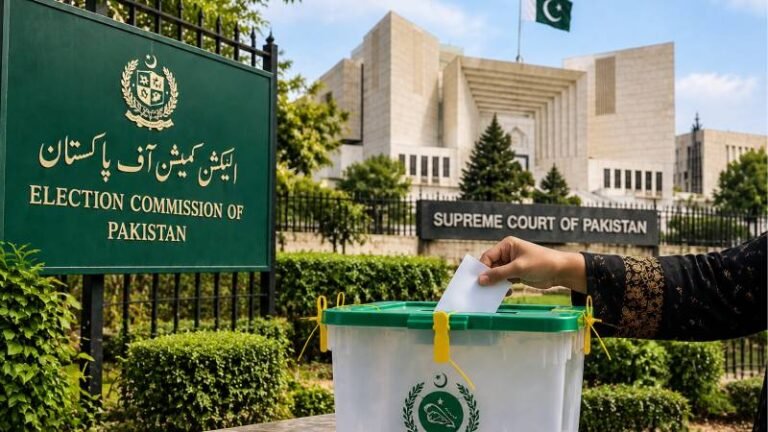
Pakistan’s Constitution establishes an important distinction between public preference and legal authority. Under Article 239, constitutional amendments require two-thirds majorities in both houses of Parliament. Article 239(4) additionally requires approval by two-thirds of the total membership of an affected provincial assembly before an amendment altering its boundaries can receive presidential assent. Article 48(6) also provides a route for a referendum on a matter of national importance, subject to parliamentary approval in a joint sitting. Such a vote could inform political deliberations, but it would not replace the constitutional amendment process.
The financial consequences also deserve closer scrutiny. Establishing another province involves administrative institutions, legislative arrangements, personnel, infrastructure and potentially new judicial facilities. Supporters anticipate better regional planning and more accessible government. Critics question whether additional expenditure would produce corresponding improvements. Both arguments require evidence. Transparent assessments of administrative costs, revenue distribution, National Finance Commission arrangements and institutional capacity would help citizens judge competing proposals on substance rather than political slogans.
Nor can provincial restructuring substitute for effective local government. Article 140A requires provinces to establish elected local governments and devolve political, administrative and financial authority to them. A newly established provincial capital could remain just as distant from ordinary citizens if decision-making continues to be centralized. Districts, municipalities and communities need functioning institutions capable of addressing schools, sanitation, healthcare and local infrastructure. Provincial restructuring and meaningful decentralization are therefore related questions, not necessarily competing alternatives.
Pakistan’s administrative future cannot be settled through opinion polls alone, nor through negotiations conducted exclusively among political leaders. Citizens provide democratic legitimacy, provincial legislatures protect constitutional consent, and Parliament carries responsibility for national constitutional change. The debate needs credible public consultation, transparent proposals and an honest examination of the alternatives. Whether Pakistan retains its existing provinces, establishes new ones or strengthens local institutions, the meaningful test will be what changes in people’s lives. Government becomes more legitimate when citizens can influence its decisions and hold its institutions accountable. The number of provincial capitals matters less than whether public authority finally becomes accessible to the people it is intended to serve.

