
The Price of Protecting Militants in Afghanistan
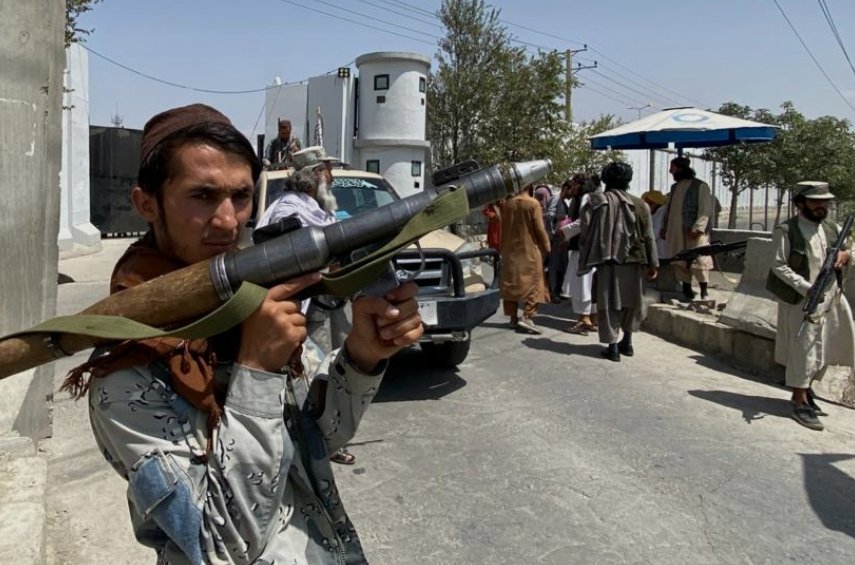
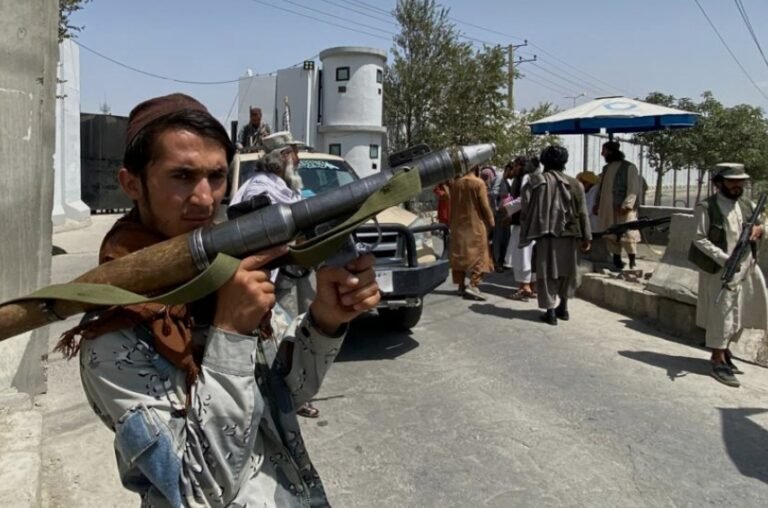
The growing confrontation between Pakistan and Afghanistan raises an uncomfortable question. Why would a government risk military escalation with a neighbouring country rather than decisively address the militant organisations operating from its territory? For the Taliban authorities in Kabul, this question has become increasingly difficult to avoid. Pakistan has repeatedly demanded action against the Tehreek-e-Taliban Pakistan (TTP), while the Afghan Taliban deny harbouring militants. Yet continued violence, border clashes and retaliatory strikes suggest that the dispute has moved well beyond diplomatic disagreements.
Pakistan’s concerns are supported by international monitoring assessments. An August 2026 United Nations report described continued Taliban support for the TTP despite limited efforts to restrain its activities. The report also noted that approximately 2,000 TTP fighters and their families had been relocated away from areas bordering Pakistan. This distinction matters. Moving militants elsewhere is not equivalent to dismantling their networks. It may temporarily reduce pressure along the frontier, but it does little to resolve the underlying security threat.
Recent allegations concerning Taliban military preparations add another dimension to this confrontation. Unverified accounts suggest that unused aircraft spare parts are being relocated from Kabul towards Shindand in Herat and Mazar-i-Sharif. Usable components are reportedly being dispersed among existing facilities, with claims that approximately 100 twenty-foot containers have been procured for storage. These details require independent confirmation. Nevertheless, if accurate, they suggest that Kabul is preparing to protect military resources against possible Pakistani air operations.
Military preparedness is understandable when governments anticipate confrontation. The troubling question is why such confrontation has become a recurring possibility. Protecting aircraft components may be a rational defensive measure, but it does not address Pakistan’s central demand that militant organisations should not be permitted to conduct cross-border attacks. The Taliban’s challenge is therefore political as much as military. The issue is whether its leadership is prepared to confront armed groups with which it has maintained historical and ideological relationships.
More serious allegations concern the reported placement of ammunition storage facilities and drone-related infrastructure within populated areas. Claims have also emerged that prominent militant figures, including TTP chief Noor Wali Mehsud and commander Gul Bahadur, have been accommodated in multi-storey residential buildings in Kabul to reduce their exposure to possible airstrikes. These specific allegations remain independently unverified. If substantiated, deliberately using civilians to protect military objectives would constitute a serious violation of international humanitarian law.
The implications extend beyond military strategy. Residential neighbourhoods contain families, children, elderly people and individuals with no involvement in hostilities. Placing military assets or militant infrastructure near them can create grave risks. The International Committee of the Red Cross emphasises that parties to conflict must, wherever feasible, avoid locating military objectives near densely populated areas. Equally, an attacking force remains obligated to distinguish military targets from civilians and prevent disproportionate civilian harm.
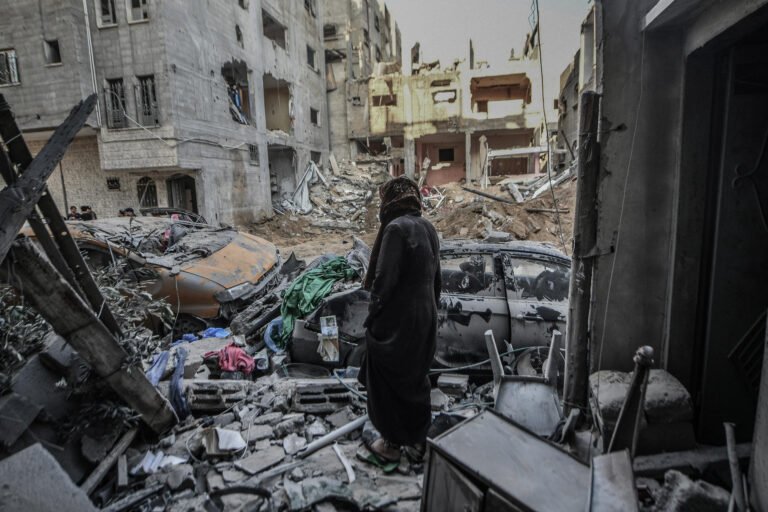
Civilian casualties are already a painful reality of the confrontation. In June 2026, the United Nations Assistance Mission in Afghanistan reported at least 28 civilian deaths following Pakistani military operations near the border. Another three civilian deaths were confirmed following strikes in September. Pakistan maintains that its operations target militant infrastructure, while Kabul accuses Islamabad of attacking civilian locations. These competing claims underline the need for independent investigation rather than unquestioning acceptance of either government’s account.
The information dimension presents another concern. Allegations suggest that Taliban officials have prepared statements accusing Pakistan of striking civilian markets and residential areas, potentially accompanied by photographs from previous incidents or unrelated accidents. Such preparations, if verified, would raise serious questions about the deliberate manipulation of public opinion. However, these claims themselves require evidence. The possibility of disinformation must never become an excuse to dismiss genuine civilian suffering. Every disputed photograph, casualty report and military claim deserves careful verification.
For Pakistan, the dilemma is substantial. Continued militant attacks cannot simply be treated as an unavoidable consequence of geography. Islamabad has a responsibility to protect its citizens and address threats to national security. At the same time, retaliation alone cannot deliver a durable settlement. Military action may disrupt operational networks, but sustainable security requires diplomatic engagement, reliable intelligence cooperation and enforceable commitments that prevent armed groups from exploiting territory across the border.
The Taliban authorities face an equally consequential decision. Their legitimacy as a governing authority cannot rest solely on controlling territory while unresolved militant activity threatens neighbouring states. Concrete measures against armed groups, independently verifiable restrictions on their operations and meaningful cooperation with regional governments would offer a more credible path towards stability than repeated denials.
The central issue is not whether the Taliban can protect its equipment or prepare for another confrontation. It is whether Kabul can demonstrate that Afghanistan will no longer serve as a base for violence against its neighbours. Without that change, Pakistan and Afghanistan risk remaining trapped in an increasingly destructive cycle of militancy, retaliation and mutual distrust. The greatest cost will be borne not by political leaders, but by ordinary families on both sides of the border.