

Why Engagement With the Taliban Will Fail
The eighth Moscow Format meeting was meant to demonstrate regional cooperation. Instead, it exposed the one disagreement that cannot be disguised by diplomatic ceremony. On 5 October 2026, delegates left Moscow without a joint statement because the Taliban objected to language connecting Afghanistan with terrorism. Pakistan refused to pretend that the issue had disappeared. For a forum devoted to stability, that failure was revealing.
The dispute was not simply about wording. Similar language had appeared in the previous year’s statement. Kabul’s refusal to accept it now raises a straightforward question. If the Taliban will not acknowledge the security problem in a diplomatic document, what grounds do its neighbours have for expecting meaningful action against armed groups operating on Afghan territory? Dialogue cannot make reality disappear.
Russia has moved further than any other major power towards normalisation. In April 2025, it lifted the ban on the Taliban, and in July it became the first country to formally recognise their government. Moscow understandably wants to contain Islamic State Khorasan Province, or ISKP, and prevent violence from spreading into Central Asia. Yet its approach risks treating threats to Pakistan as secondary. A militant network does not become tolerable merely because its immediate victims live across another border.
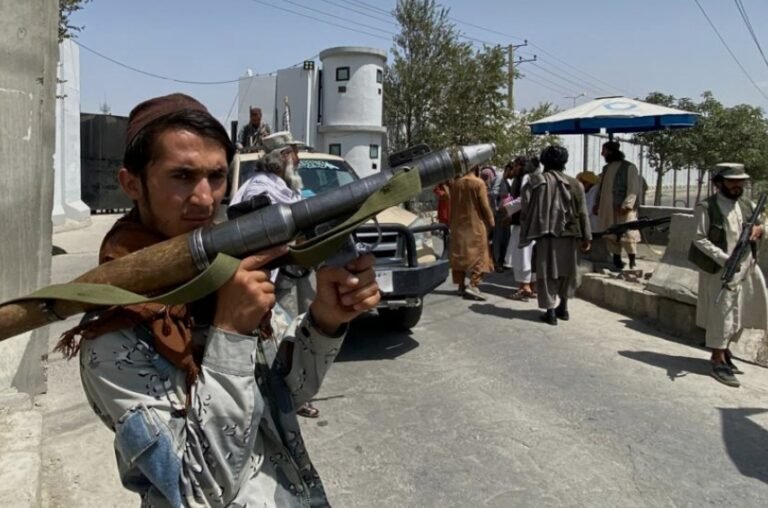
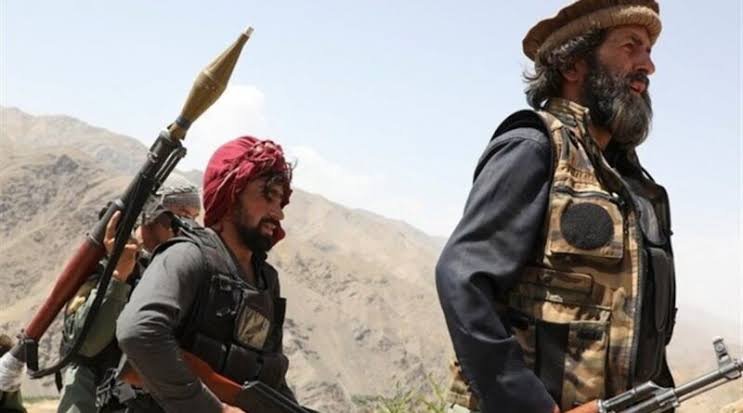
The United Nations has given the region ample reason for concern. Its August 2026 monitoring report described continued Taliban support for Tehreek-e-Taliban Pakistan, alongside escalating attacks on Pakistan. The report also recorded Taliban efforts to move roughly 2,000 TTP fighters and their families away from the frontier and private warnings intended to restrain attacks. They show that Kabul has some capacity to influence the group, but that managing militants is not the same as dismantling their infrastructure.
Pakistan has repeatedly raised this distinction in bilateral meetings and regional forums. Its special representative, Mohammad Sadiq, did so again in Moscow, arguing that terrorism from Afghan territory remains central to Afghanistan’s regional relations. Kabul rejects allegations that it shelters groups targeting Pakistan. But denial cannot resolve a dispute when international monitoring continues to identify operational support, cross-border violence and militant sanctuaries. What is required is evidence that attacks are being prevented, not another exchange of assurances.
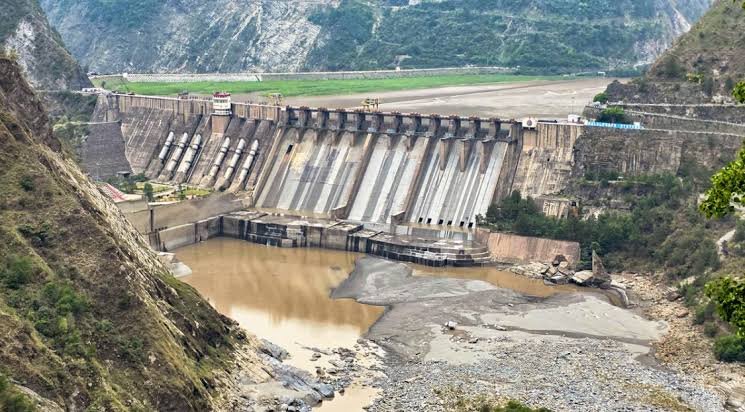
China has different immediate priorities. It wants secure borders, protection from extremist networks and reliable routes for trade and investment. Russia wants influence and a buffer against transnational militancy. Both calculations are understandable. Neither can succeed if Afghanistan remains a permissive environment for groups that threaten neighbouring countries. Projects such as the Uzbekistan–Afghanistan–Pakistan railway, CASA-1000 and the TAPI pipeline depend on more than signed agreements. Investors need predictable security, functioning institutions and confidence that armed factions cannot hold cross-border commerce hostage.
The financing debate also needs greater precision. The Kabul Institute’s October 2026 aid study tracked $8 billion in humanitarian payments since August 2021, principally channelled through international agencies and other recipients, alongside billions in unpaid commitments. That is not proof that $8 billion was handed to the Taliban. The institute’s more troubling finding is the limited public visibility of how funds were ultimately spent. Donors should strengthen independent auditing without punishing Afghan families who depend on food, medicine and shelter.
Afghanistan’s economy offers another warning. Poverty, weak institutions and declining opportunities leave communities vulnerable to criminal recruitment. The UN’s latest opium survey reported a sharp rise in cultivation during 2026, even though production remained below levels seen before the Taliban’s 2022 ban. The figures do not establish where illicit profits go. They do show why serious counter-narcotics oversight and legitimate rural livelihoods must be part of any regional security bargain.
Afghans cannot be an afterthought. Restrictions on women’s education and employment, limited political inclusion and the continuing humanitarian emergency are incompatible with the image of a country moving confidently towards stability. Meanwhile, border clashes and airstrikes have also harmed Afghan civilians. Security policy must protect civilians on both sides, not deepen the grievances from which extremist organisations recruit.
The answer is not to abandon diplomacy. Isolation alone has rarely changed Kabul’s behaviour, and regional powers cannot wish Afghanistan off the map. The answer is to make engagement conditional on measurable conduct: independently verified closure of militant facilities, disruption of financing and recruitment, credible action against cross-border commanders, and an agreed mechanism for investigating attacks. Humanitarian assistance should continue under transparent safeguards. Recognition, investment and wider diplomatic privileges, however, should depend on sustained results.
Moscow and Beijing do not need to adopt every Pakistani position to recognise a shared danger. They simply need to apply the same security standard to every armed group, whether its intended target is Russia, China, Central Asia or Pakistan. Until that happens, conferences will produce photographs, perhaps even communiqués, while the violence continues. Afghanistan’s neighbours need more than access to Kabul. They need a government in Kabul willing to make its territory safe for everyone around it.

