

TTP Impact on Tribal Pakistan and the Nation’s Resilience
Terrorism and Resilience: Inspecting the TTP Impact on Tribal Pakistan
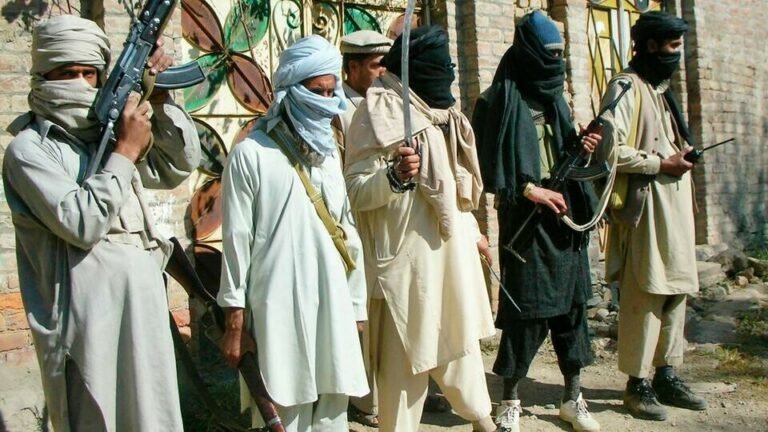
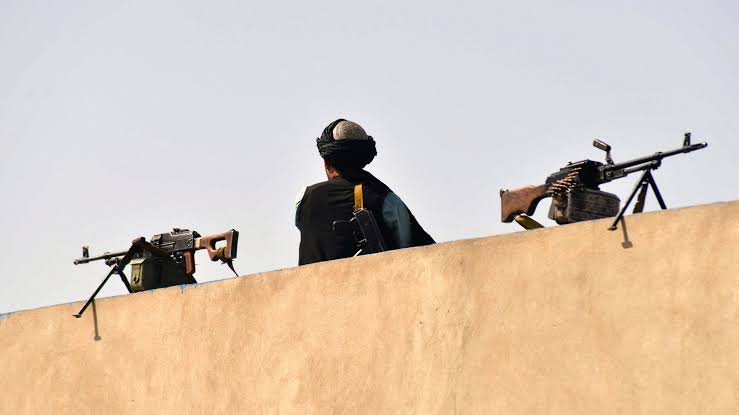
The province of Khyber Pakhtunkhwa is the land that has been torn by the atrocities of terrorism ever since. Khyber Pakhtunkhwa has been forced to fight against the onslaught of the Tehrik-i-Taliban Pakistan (TTP). The TTP presence is an ever-recurring nightmare to the Pashtun people, who still have to face the wrath of their terror activities. The recent resurgence, like before, is also a fresh effort to deceive the people by falsifying the teachings of Islam. But unlike in the past, the population now knows the dark intentions of TTP, and this is a very fundamental twist in this protracted fight. The official ruling of the government of Pakistan, with the Islamic experts’ ranks, it has stated clearly that the TTP is Fitnah al-Khawarij, and the group purposefully misinterprets the values of Islam to gain the trust of the masses. Although they may have said so, the activities of TTP are worlds away from the core teaching of Islam, and they distort religious doctrine to serve their purpose of carrying out violent operations that are inhumane. This article will demonstrate the root causes of terrorism, the ideological maneuvering involved, and the effects of terrorism on the Pashtun people in the long run.
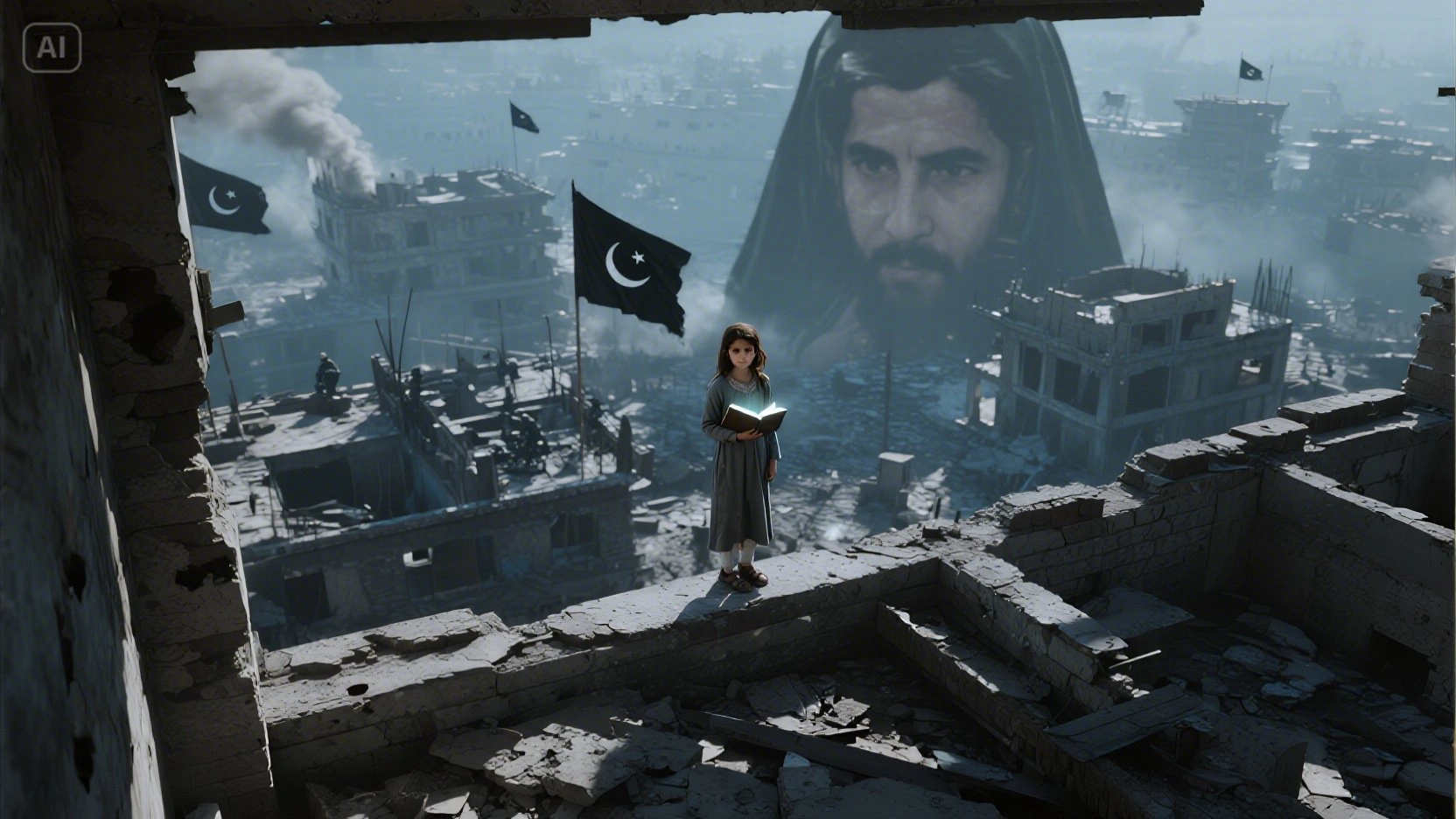
The history of the development of TTP is directly related to the changes in geopolitics that the 9/11 catastrophe generated. At the time the United States went to Afghanistan, Pakistani Pashtuns were already in a dangerous situation as they were adjacent to the dispute in Afghanistan. TTP took this to advantage as it took the role of enforcing the Sharia law by striking at an already weakened community through years of poverty. The group has used violence and suppressive force to undermine key institutions, especially the schools, with a gruesome focus on female education. Over 400 schools have been bombed or destroyed, and this is an act that blatantly contravenes Islamic values. These attack the core principles of Islam, which attach much importance to the importance of seeking knowledge as well as protecting the future generation. The ruthless methods shown by TTP include more than destroying schools; it entails random killings, intimidation of local authorities, and extortion of economic assets.
What TTP does is a replica of the historic Khwarij, a sect from early Islamic history that also used Islam as a pretext to inflict violence against fellow Muslims. It misuses Islamic teachings and interprets them selectively to cement its authority through Quranic verses. They distort scripture by twisting it out of context, often to justify their actions and even their leadership over their followers. This misinterpretation is a tool of manipulation, allowing the group to continue spreading violence under the guise of religion. The way TTP has carried out terror activities, such as mass murder of peaceful committee members, shows that these terrorists do not highly value human life, especially when compared to what Islam teaches about compassion and justice.
The Prophet Muhammad (SAW)’s teachings provide a valuable insight into groups like TTP and its threats. The Prophet predicted the emergence of false preachers who were going to twist religious writings and use them to advance their political interests by misleading other people. They are also violent, which is the total opposite of what Islam preaches; true beliefs in peace, justice, and human lives.
The military operations imminent in Pakistan, like the Rah-e-Rast Rah-I-Nijat and Zarb-e-Azb, are not just measures to counter terrorism but a stiff denunciation of the radical ideology. The operations are a sign to the world of the disapproval of the twisted version of the Islamic faith by the country as a whole. Khyber Pakhtunkhwa communities have mobilized themselves to rebuild their lives and fight against the reigning ideology of oppression held by TTP. Although such operations are characterized by the use of force, they also constitute a unanimous opposition to terrorism, where the Pakistani state has shown its undeterred devotion to peace and the refusal of radicalism.
The vision of TTP in the form of Sharia has no element of fairness, justice, or intellectual integrity. No matter how hard they rebrand themselves using propaganda, they have one aim: they want to use societal frustrations coupled with economic maladies to lure desperate men and women. They guarantee justice when they involve themselves in violence, coercing individuals to submit. They also have distorted the Islamic concepts, like that of martyrdom, evidencing that they do not care much about what these concepts are really about. Martyrdom, in the Islamic context, is an honorable sacrifice to defend the innocent and proclaim justice, as the sacrifice of innocent lives in the name of political ambition.
Pakistan has been showing amazing resistance to these problems and has demonstrated that it is not necessarily a country of violence and inhumanity, as the TTP would like the world to think. Pakistani society is strong because it believes in the right teachings of Islam—which embrace the need for unity, kindness, empathy, and safeguarding of every human being. All these tenets have been at the center stage of all discussions on fighting radicalism and terrorism in Pakistan, and it is a certain fact that Pakistan has always shown a lot of fortitude in sponsoring peace and justice. It is with the collective effort, undying belief in these ideals, and the sense of unity that Pakistan will once again overcome the menace of terrorism and come out stronger in the battle against it.

