

Pakistan Unified War Against Terrorism and the Khawarij
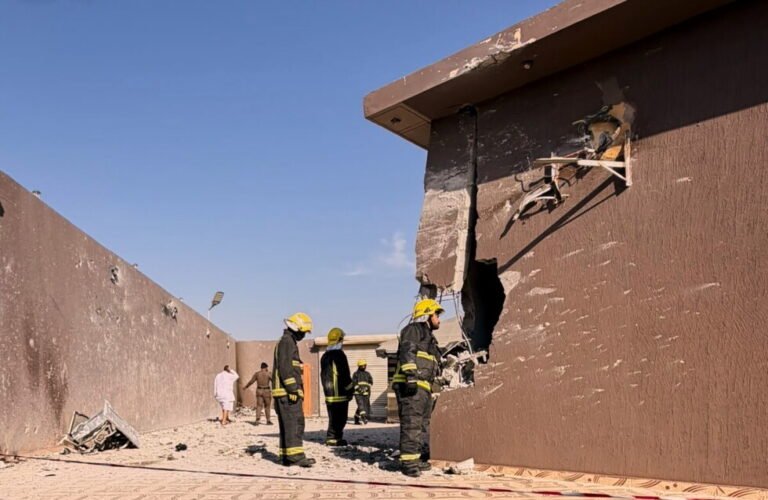
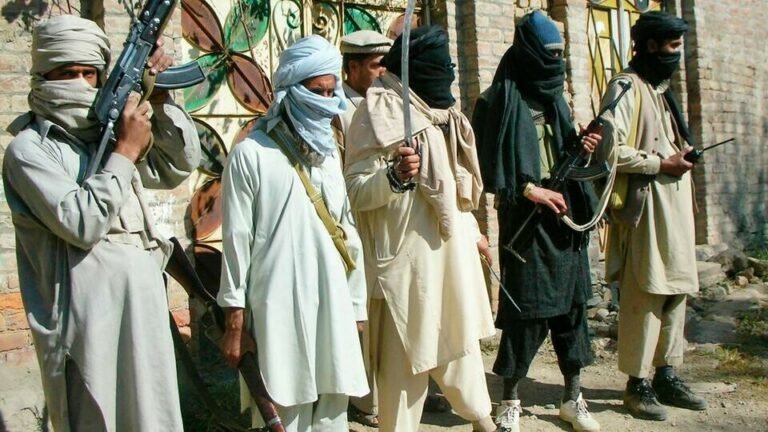
Over the last couple of years, Pakistan has shown itself to be in the thick of an unending battle on terrorism. Since violence and instability began, the country has been a pain inflicted by both home grown militants and foreign backed extremist networks. The Tehrik-i-Taliban Pakistan (TTP) and the Islamic State Khorasan Province (ISKP) are two of the most dangerous threats as both parties share the same ideology based on the distorted interpretations of Islam and strong hatred to the state. This barbaric level of bloodshed these two group can unleash was again reminded when the recent attack in Bajaur took the lives of innocent people. This ideological convergence between the two groups in terms of claiming the attack is merely what is disturbing about the issue. And that unholy union signifies the evil aspect of extremist terrorism — the Khawarij.
Khawarij are characterized by the radicalism of their ideology and their use of violence in the past; today they are represented by such organizations as the TTP and ISKP. Needless to say, they are right out of the same playbook: violence, fear and a willingness to subvert the state. They might seem to be different, but in their essence, these groups possess the identical approach to their activity, as they terrorize people, destabilize the government, and claim to do it in the name of religion with a demonized understanding of religion. They are similar sides of the same coin and the reaction of Pakistan, to this menace has to be coordinated and firm.
The only, general principle that characterizes the course of counterterrorism in Pakistan is zero tolerance to terrorism. Regardless of whether the terrorist involved is a member of TTP, ISKP, or any other sectarian and extremist group, the state views all of them in similar terms. This unequivocal position plays a key role in ensuring the national security and society confidence. Pakistan has realized that terrorism, in whatever variant, brings about a potential doom to the peace, stability, and future of the country. In this way, it is insufficient to put a certain group in the spotlight leaving others out of it. The war against terrorism should be comprehensive.
Unity of vested interests with the political leadership and the security institutions forms the crux of the counter terrorism strategy of Pakistan. The fight against terrorism is a goal that the state is pursuing up through all levels of governance in making sure that all possible corners are campaigning against the issue. At the top-most political levels to the grassroots there is an understanding that safe havens, ideological sympathizers, and financial systems of extremist groups should be destroyed. It is not a military operation battle but an effort that involves the intelligence agencies, police forces, as well as the civilian authorities as a whole of government effort.
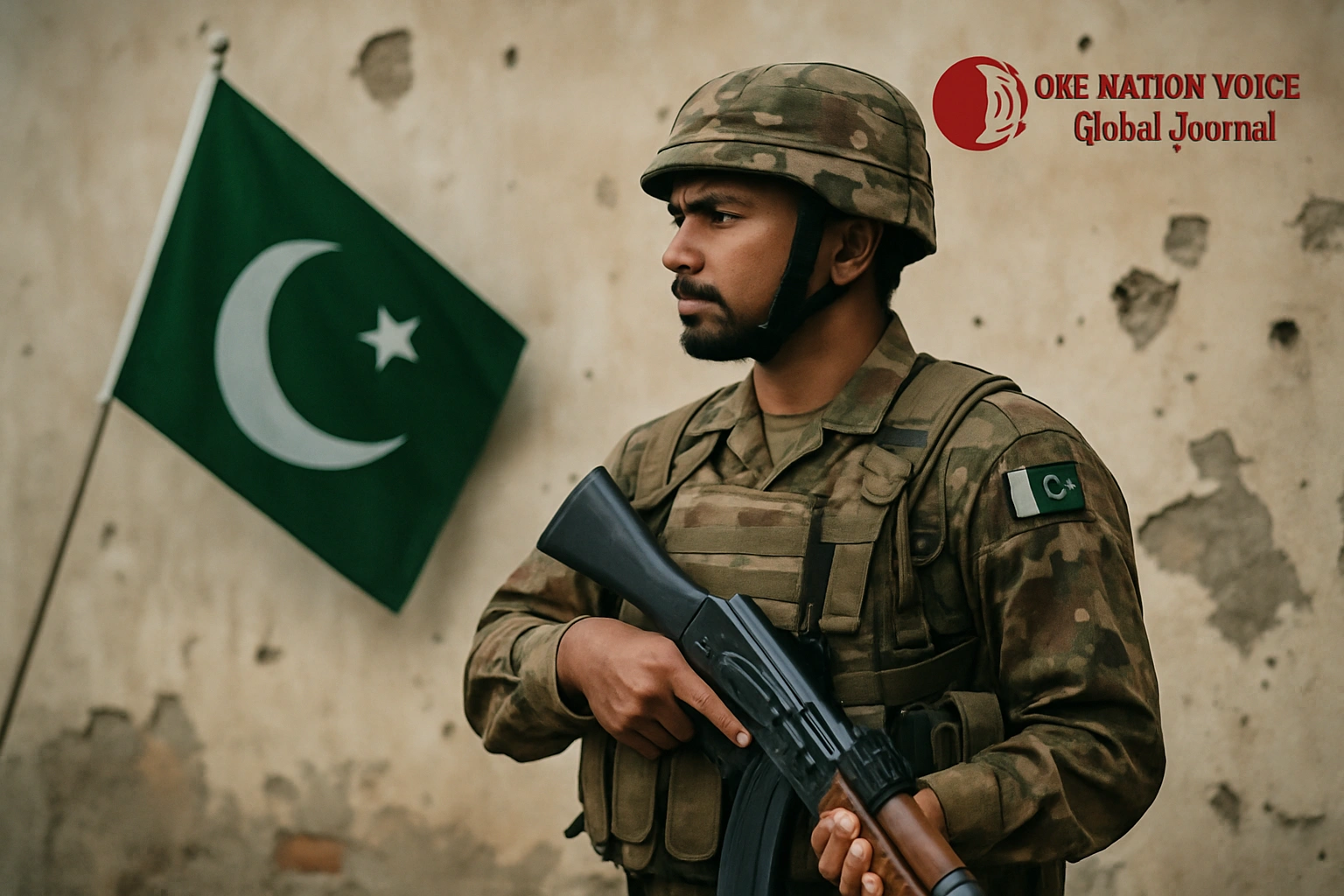
Pakistan has developed this practice of intelligence led counterterrorist activities. There are no days when people give way to their spontaneous reaction toward threats of terrorists anymore. This has resulted in a country whose actions are now informed by accurate and well-coordinated intelligence that involves minimal collateral damage and maximum effectiveness. Such a move to be more methodical and knowledgeable will guarantee the penetration and obliteration of terrorist cells with maximum care of damaging innocent individuals. The war against terror by Pakistan military does not just involve taking on terror cells but also to disrupt the possibility of their arsenals. The aim of this strategy is to cut-off the flow of resources which are able to empower these groups again.
Ideological justifications of violence are another one of the most important in the struggle to suppress terrorism in Pakistan. Extremist motives be it of a religious, ethnic or political color, the state does not want to make any differentiation. At least as far as Pakistan is concerned, terrorism is terrorism and it is not now acceptable to have any justification to it. This tough stand indicates one thing to home and foreign audiences: no one is allowed to have radical beliefs that dictate violence and division. States take proactive measures towards discrediting such ideals, demarcating the true religious belief and the skewed arguments that extremist groups apply to commit their uncivilized acts.
Pakistan does more than just military and intelligence in its counterterrorism, also. More than putting on real foot to deal with the culprits of terrorists, the state has rallied the forces of scholars, media houses, as well as civil society to oppose the radical messages, being propagated by extremist organizations. On the ground, there is a move to teach people of what Islam really entails and unmask false teachings of the Khawarij. This education is intended to provide country people with the ammunition they require in combating so-called extremist groups by cutting off ideological support that they so badly need in order to recruit and radicalise the vulnerable.
The Pakistani policy in the fight against terrorism is not all about eliminating organizations such as the TTP and the ISKP but safeguarding the communities against violence. The state tries to make it a point that the counterterror operations may be undertaken with timeliness and lawfulness. This will help ensure that innocent civilians are not part of the crossfires hence keeping the faith in the army and reducing the backlash that usually accompanies heavy-handed military acts. The state also has the current position on civilian protection, which is one way of distinguishing Pakistan approach with that of extremist groups, which have no respect to human life and freely fire on the innocent.
It can be said, perhaps, that one of the most prominent traits of the Pakistani strategy over and against terrorism was the fact that civil-military relations experienced the high degree of harmony yet never seen before. This cohesion of both the civilian administration and the military institutions in Pakistan has played a vital role in a concise and sound formulation of response to terrorism. It has made sure that there is a harmony between policies and practises, which cannot be politically exploitable or can lead to confusion in operations. This functionality between the military and the civilian sphere has so far been instrumental in maintaining the counterterrorism initiatives within the country focused, effective, and none the least, unified.
Acting firmly against every group of Khawarij in Pakistan, is not just protecting its personal security but does act as a precedent in the region. The fact that the nation has tackled the issue of terrorism as a single entity indicates that incomplete implementation or action will never establish peace in the long-term. Terrorism can be actually fought only by means of consistent, impartisan approach. The world should also understand that the war against organizations such as the TTP and the ISKP is not a war being fought by Pakistan alone but a war in which the stability and security of the region is at stake.
To sum up, there should be no doubt that Pakistan is determined to eliminate terrorism. Be it the TTP, ISKP or any other extremist group, Pakistan will keep following a multi-dimensional approach to destabilizing terrorist groups and the need to take care of its citizens. The state declining ideological legitimation to violence, its whole-of-government approach, as well as, civil-military balance is a model that can be envisaged by other countries responding to the same threat. In a rapid and undiscriminate manner, Pakistan is demonstrating to the world that unless the retaliation by a country is united, accurate and inflexible, terrorism cannot be stopped.