










International Year of Glaciers Preservation
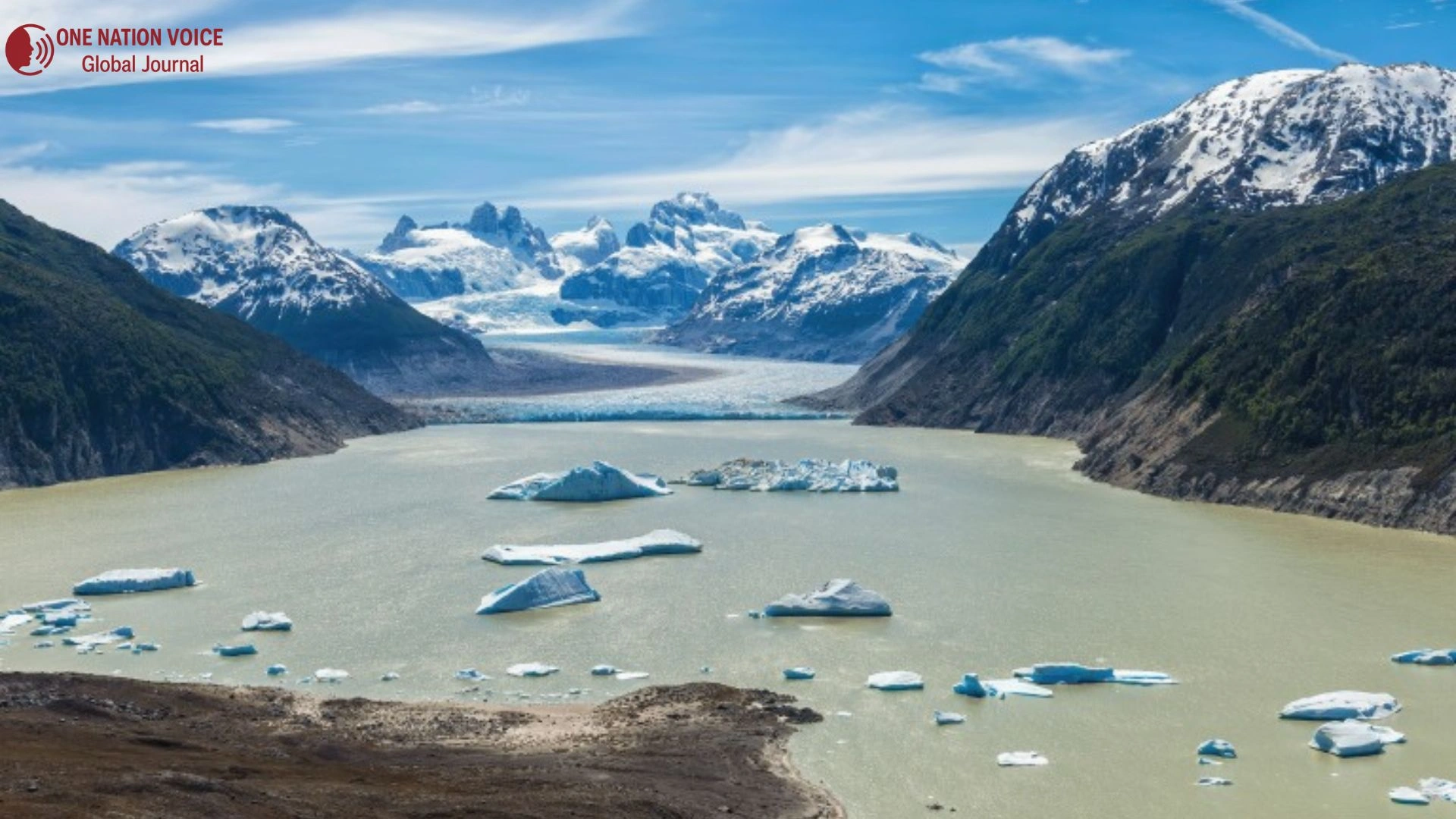 Source of Image: World meteorological organization
International Year of Glaciers Preservation
IYGP was declared to draw attention to the alarming situation with the world glaciers and treatment of the problem. Glaciers that are commonly known as water towers of the globe are very important to the world freshwater supply, climate regulation and facilitation of various ecosystems. This article discusses the role of glaciers, the dangers they are subjected to and the importance of global campaigns such as the IYGP.
The Convention Concerning the Protection of the World Cultural and Natural Heritage was developed to preserve the most important and non-renewable places that should not be lost or destroyed on the planet (United Nations Educational, Scientific and Cultural Organization, 1972).
It was a key breakthrough in conservation policies in interconnecting the preservation of the natural and cultural heritage, regardless of any spatial and time demarcations.
There are now 247 natural World Heritage sites listed as having the Outstanding Universal Value, the ones which are judged to have outstanding universal value in terms of their beauty or significance to the geology and ecology of our planet binding states and the international community to take the best of efforts to preserve and hand them over to the future generations.
Though in 1972, the World Heritage Convention did not mark anthropogenic climatic change (Intergovernmental Panel on Climate Change, 2013, 2018) as one of the key concerns, now it is considered as one of the gravest threats to natural sites and the primary source of future threats (Osipova et al., 2017).
Other previous works depict how adverse outcomes of climate change on inscribed sites appear following direct or cascading effects in different regions (Allan et al., 2017; Hughes et al., 2017; Reimann et al., 2018; Scheffer et al., 2015).
The Importance of Glaciers
Glaciers are vital for several reasons:
Freshwater Supply
Glaciers contain about 69 percent of all available fresh water in the world, and these mass stores are the main sources of water to billions of people, especially those in areas where glaciers serve as the source of floodwater in rivers (Van de Wal et al., 2019).
Climate Regulation
Glaciers regulate world climatic conditions.
They reflect sunlight and this aids in controlling temperature on earth. When they melt, they reveal darker surfaces in the land or the water which contains more heat and gets warmed at a faster rate (Huss & Fischer, 2016).
Biodiversity
Glacial areas have special ecosystems and species that are accustomed to cold climatic conditions. These habitats and biodiversity that they sustain are imperiled in face of the loss of glaciers (Benn et al., 2019).
Danger to Glaciers
- Climate Change: There is a marked rise in global temperature around the world and as a result there is a historic meltdown of the global glaciers. According to the Intergovernmental Panel on Climate change (IPCC), glaciers have been under the influence of global increase in sea level due to a decrease in mass (IPCC, 2021).
- Pollution: Black carbon and other substances laying on glaciers can act as a catalyst of the melting phenomenon. These pollutants affect the color of the ice to be darker and hence will absorb more sunlight (Flanner et al., 2009).
- Unsustainable Practices: Urbanization and industrial activity, and deforestation may affect local climates detrimentally and, in some cases, may contribute to melting glaciers (Mernild et al., 2019).
The Most Important Goals
- Creating Awareness: Creating awareness and knowledge to the masses concerning the significance of glaciers and the effects that their disappearance has on ecosystems as well as human communities.
- Knowledge Share and Capacity Building: Promoting research that can help us understand more about glacier dynamics and future of climate change.
- Policy Promotion: This implies the promotion of the policies that lessen climate change and contribute to the marketing of sustainable practices to protect the glacial setting.
Conclusion
The International Year of Glaciers Preservation gives a stern warning of how important it is to conserve these important resources. There is a need to make collective efforts to provide protection for the future of glaciers in the face of climatic change and human practices. Through awareness and good sustainable practices, people of the world can strive to conserve glaciers for future generations.
References
Wagner, R. D. (Ed.). (2018). Creating Historic Preservation in the 21st Century. Cambridge Scholars Publishing.
Cothey, V., & Council, G. C. Archives First: digital preservation.
Horváth, C. (2025). WORLD WATER DAY-2025 GLACIER PRESERVATION. Aerul si Apa. Componente ale Mediului, VII-VIII.
Rumore, G. (2012). Preservation for Science: The Ecological Society of America and the Campaign for Glacier Bay National Monument. Journal of the History of Biology, 45(4), 613-650.
Capps, D. M. (2017). The role of glaciers and glacier research in the development of US National Parks. Earth Sciences History, 36(2), 337-358.
Disclaimer:
The views and opinions expressed in this article are exclusively those of the author and do not reflect the official stance, policies, or perspectives of the Platform.

