

Media Cooperation Forum on Belt and Road 2025 kicks off
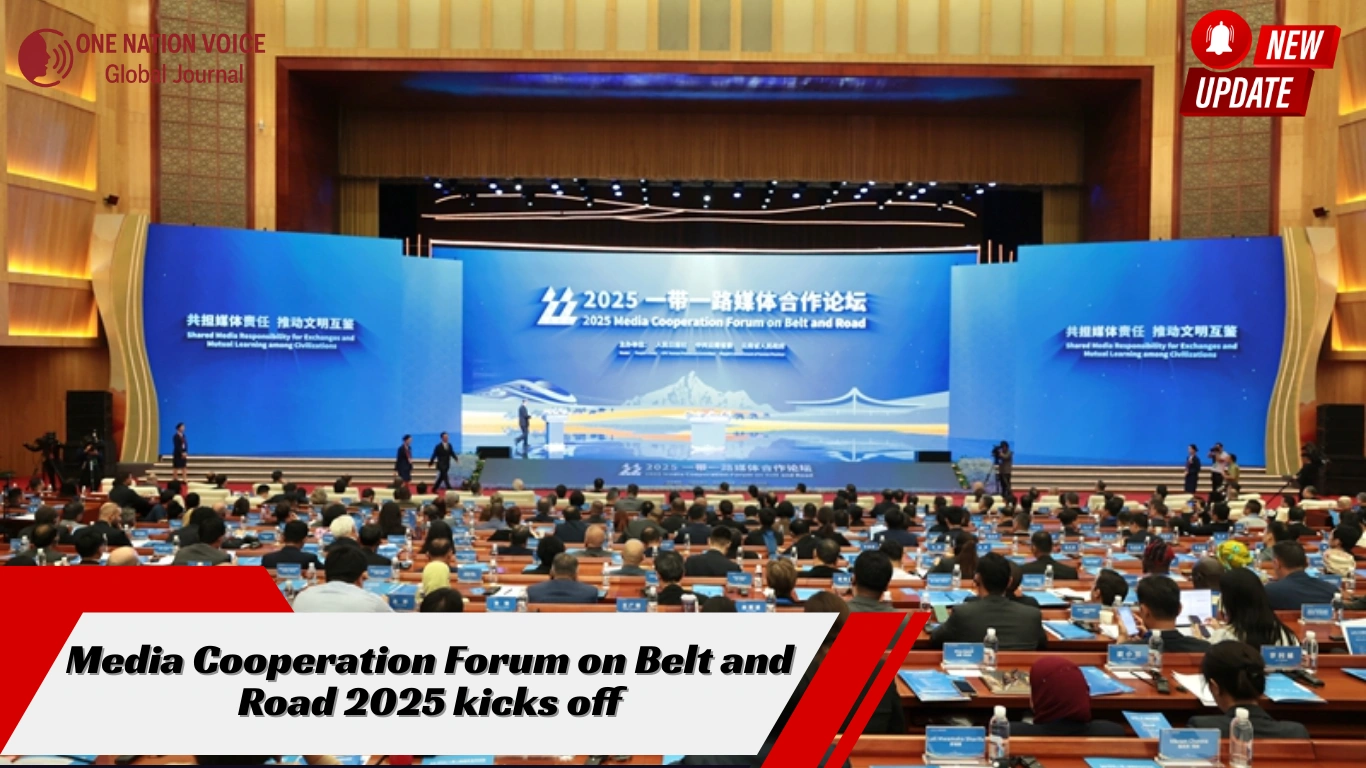
Media Cooperation Forum on Belt and Road 2025 kicks off
The Media Cooperation Forum on Belt and Road 2025 just kicked off in Kunming, and it’s shaping up to be a big gathering. More than 200 foreign guests from nearly 90 countries are there, along with delegates from international organizations and over 160 media outlets. It’s essentially a hub where journalists, editors, and media leaders come together to talk about how stories around the Belt and Road Initiative (BRI) get told.
Shared Media Responsibility As Belt and Road Forum Connects
This year’s theme is “Shared Media Responsibility for Exchanges and Mutual Learning among Civilizations.” That might sound a bit lofty, but the idea is straightforward: media isn’t just about reporting anymore, it’s about connecting people and cultures. The forum includes the main sessions, breakout sub-forums, the Silk Road Global News Awards, and even a “10+3” forum with ASEAN countries plus China, Japan, and South Korea. Beyond the panels, participants are also doing field visits around Kunming and other provinces to see projects in action.
Also Read:China’s Belt and Road Response to Economic Warfare
A lot of the speeches focused on how far the Belt and Road has come since 2013. For China, it’s more than infrastructure and trade. In fact, it’s framed as a public good, a way to build cooperation across continents. There was also talk about China’s Global Governance Initiative, which is positioned as Beijing’s answer to making international rules and institutions more balanced. Whether or not people buy into that vision, it’s clear the forum is meant to reinforce that narrative.
The part about media’s role was interesting. Speakers kept coming back to the idea that journalists shouldn’t just be observers; they’re also “bridge-builders.” That means telling stories that show how projects affect ordinary people, not just quoting officials or rattling off statistics. There’s an emphasis on responsible journalism—credible reporting that can cut through misinformation and highlight cultural as well as economic impacts of BRI projects.
What stands out is that this isn’t the first time this event has happened. The forum’s been running since 2014 and has pulled in over a thousand participants from more than 100 countries over the years. So, while it doesn’t grab headlines in the West, it’s become one of those steady fixtures in China’s diplomatic and media calendar.
This year feels a little different, though. The organizers seem to be intent on deepening cooperation, not just widening it. Less about numbers, more about quality of reporting and trust-building between outlets. Whether that translates into stronger media networks or just a platform for polished speeches is something we’ll only see in practice.

