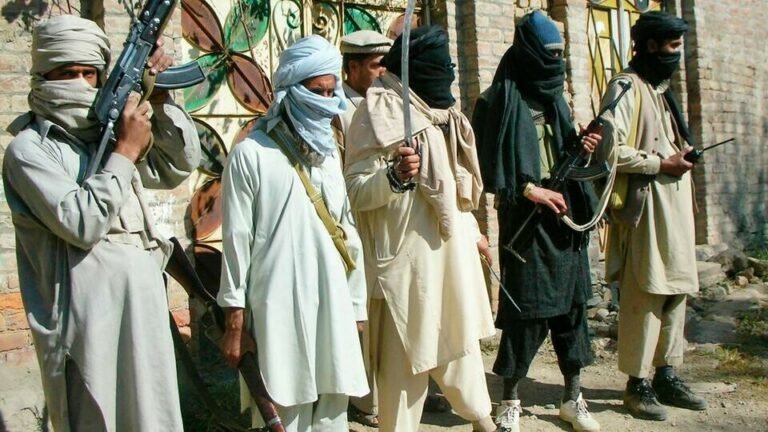

Landmark defense deal between Pakistan, Saudi Arabia
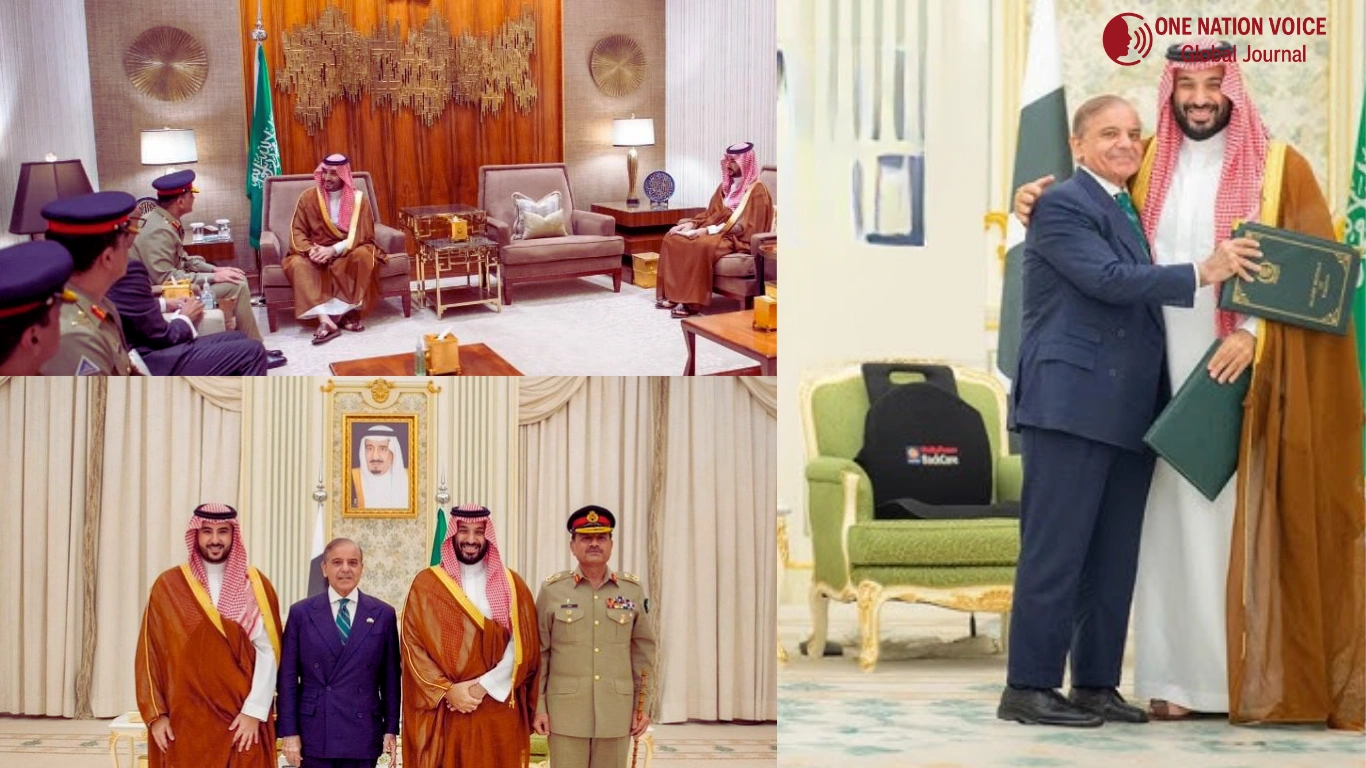
Landmark defense deal between Pakistan, Saudi Arabia signals new strategic era
Riyadh looks east for a shield as Washington’s reliability wavers.
Islamabad and Riyadh ended decades of informal security cooperation on 17 September 2025 by signing a Strategic Mutual Defense Agreement (Defense deal) that declares “any aggression against either country shall be considered an aggression against both”. Pakistani Prime Minister Shehbaz Sharif and Saudi Crown Prince Mohammed bin Salman put their names to the pact only a week after Israel’s unprecedented airstrike on Doha, an event that jolted Gulf capitals and accelerated the search for non-Western security backers. While officials insist the text is not aimed at any single foe, the timing plus language that opens the door to “all defensive and military means deemed necessary” has stirred speculation that the kingdom may now enjoy a form of Pakistan’s nuclear umbrella.
The deal does far more than upgrade symbolism. Side protocols signed in Riyadh commit both sides to:
• Joint production of drones and precision munitions
• Technology transfers that let Saudi Arabia assemble Pakistan-made Fateh-300 short-ballistic missiles
• Expansion of the 1,500–2,000 Pakistani trainers and advisers already stationed in the kingdom
For Islamabad, the accord secures an economic lifeline that Saudi officials hinted at an immediate $5 billion deposit to bolster Pakistan’s shrinking foreign-exchange reserves, with another $10 billion pledged for deferred-oil payments and a refinery upgrade at Gwadar port. For Riyadh, the partnership furnishes a ready deterrent against both Iranian missile advances and future Israeli sorties like the Qatar strike, without requiring the domestic political costs of hosting U.S troops.
Regional ripple effects were instantaneous. India’s foreign ministry announced it will “study the implications for national security,” mindful that any future India-Pakistan flare-up could now carry Saudi stakes. Tehran, meanwhile, warned that “outsourced deterrence” could fuel a Middle East nuclear race, while Israel stayed uncharacteristically silent. Analysts label the accord a watershed because it is the first formal Gulf-state treaty with a nuclear-armed Muslim power, potentially opening the door for similar Emirati or Qatari pacts and eroding Washington’s decades old role as sole guarantor.
Yet sober voices urge caution. The Belfer Center notes the text contains no automatic war clause akin to NATO’s Article 5 and pointedly avoids mentioning nuclear weapons. Pakistan whose arsenal is India-centric has historically rejected extending deterrence beyond its borders, and its foreign-office statement again limited the pact to “conventional and strategic cooperation”. Still, the political message is unambiguous: Gulf security is now multi-polar, and Islamabad has re-emerged as a pivotal swing state able to sell protection as well as buy patronage.
Whether the agreement stabilizes or polarizes the region will depend on follow-through. Clear command protocols, joint-intelligence fusion centers, and transparent rules of engagement are needed to prevent a local skirmish from snowballing into a Saudi Pakistani confrontation. What is already certain is that the Middle East’s post-1945 security architecture built on American bases and petro-dollar recycling has cracked. With one stroke of a gilded pen, Riyadh signaled it would rather import South-Asian nuclear reassurance than rely on an uncertain Washington, and Pakistan proved it can monetize its strategic weapons for more than flag-waving at home. A new strategic era has begun, and its first chapter is being written in both riyals and radioactive deterrence.
Disclaimer: The views and opinions expressed in this article are exclusively those of the author and do not reflect the official stance, policies, or perspectives of the Platform.