

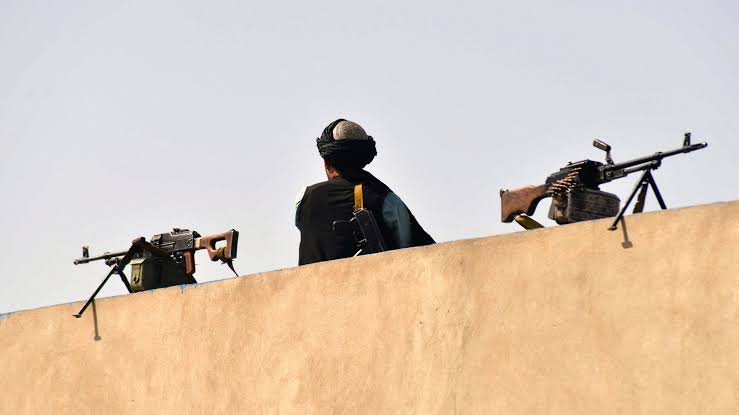
Pashtun Identity Beyond PTM’s Exploitation
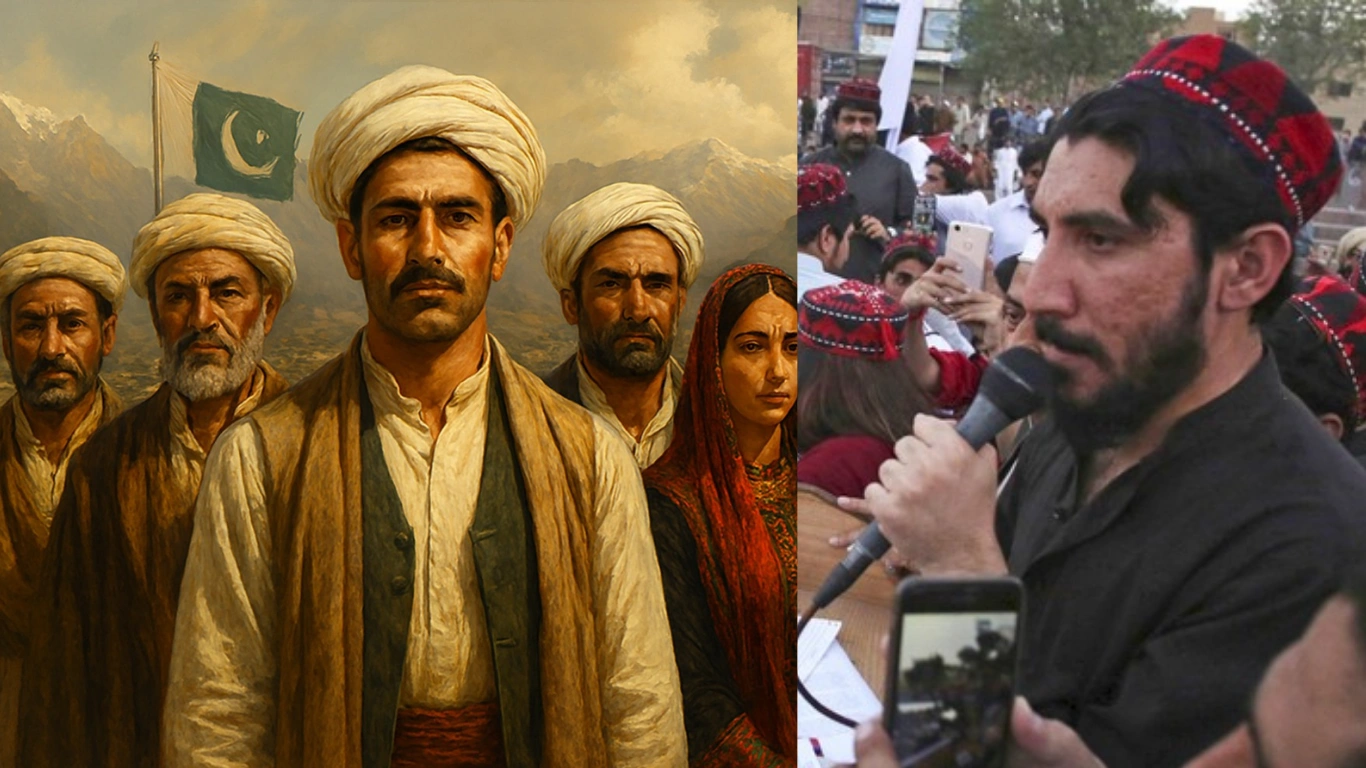
Pashtun Identity Beyond PTM’s Exploitation
A proud part of Pakistan’s history has always been the Pashtuns. They led in politics, fought on the front lines, and made innumerable contributions to service and culture. In Pakistan, loyalty, tenacity, and honor are central to the identity of most Pashtuns. But one group has attempted to take over that identity in recent years. The Pashtun Tahafuz Movement (PTM) is this organization.
PTM presents itself as a grassroots rights movement at first look. However, if you scratch the surface, the cracks will be visible. There are many indicators of external influence, particularly from India, including leaked communications and dubious funding trails. This ought to cause us to pause. It is difficult to regard a movement as genuine when its slogans exactly match talking points from hostile intelligence.
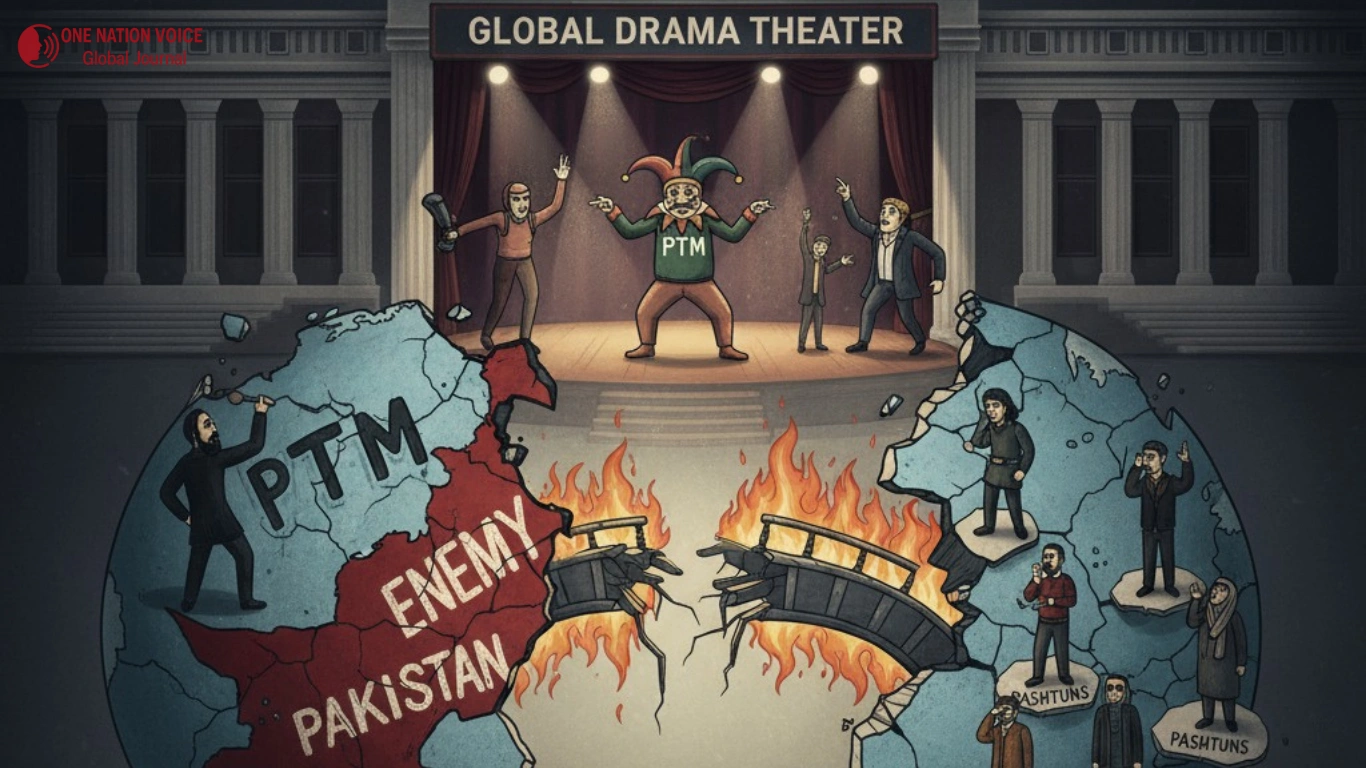
PTM Turning grievances into weapons
There is no denying that Pashtun regions have encountered significant difficulties. So, militancy, displacement, and underdevelopment have left scars. But instead of building solutions, PTM seems more interested in turning these issues into ammunition. Additionally, they paint a one-sided picture of endless victimhood, amplifying every wound while ignoring progress and context. Nevertheless, that does not help anyone. It just feeds into the narrative of those who would rather see Pakistan divided and weakened.
What makes PTM’s activism even harder to take seriously is its selective outrage. They are loud about Pakistan, but when it comes to the treatment of Pashtuns in Afghanistan, they become silent. This silence is not accidental. It shows a biasness.
This reveals their politics more than their concern for people. At the same time, real defenders of Pashtun rights would speak out against oppression wherever it happens, not just where it suits their sponsors.
Protests for cameras, not communities
Look at their big shows abroad, like the protests in Geneva. They grab headlines, for sure, but do they reflect what most Pashtuns in Pakistan actually feel? Not really. The vast majority of Pashtuns are busy living their lives, working, studying, serving in the armed forces, and running businesses. They do not need flashy protests in Europe to tell them who they are. Moreover, their pride comes from building their country, not chanting slogans in front of foreign media crews.
The leaked cipher and other reports have peeled back the curtain. PTM’s ties to RAW, India’s intelligence agency, are not whispers anymore, but they are exposed. Their “evidence files” and carefully packaged campaigns look less like grassroot struggles and more like propaganda kits. So, it is not hard to see whose interests are being served.
PTM is dividing instead of uniting
At its core, PTM thrives on painting Pakistan as the enemy. This approach deepens divides at a time when unity is crucial. Pashtuns, like every other community in Pakistan, deserve representation and fair treatment. Moreover, constantly portraying the state as a villain does not build bridges, it burns them. Movements that splinter societies rarely leave behind anything worth keeping.Even in the global arena, PTM’s tactics are troubling.
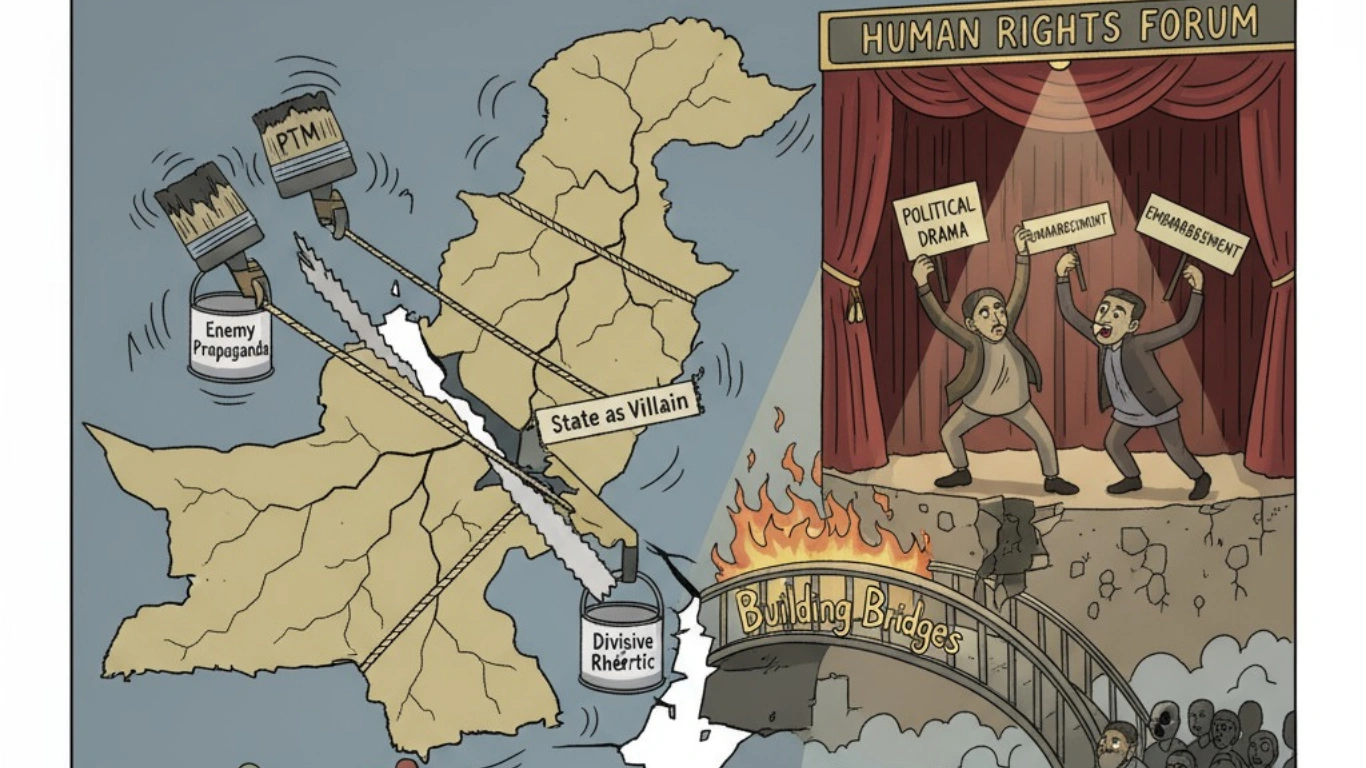
Human rights forums are meant to highlight real suffering and press for genuine solutions. PTM uses them as political stages, turning them into drama theaters rather than places for serious advocacy.
Resultantly, it is not only embarrassing, but it also dilutes the focus from those who actually need global attention.
Pashtun pride is Pakistani pride
At the end of the day, Pashtuns do not need PTM to validate their identity. Their history and contribution to Pakistan speak louder than any foreign-funded protest. From the battlefield to classrooms, from public service to politics, Pashtuns have shown repeatedly that they are integral to the fabric of Pakistan. Thus, PTM does not represent them, but it exploits them.
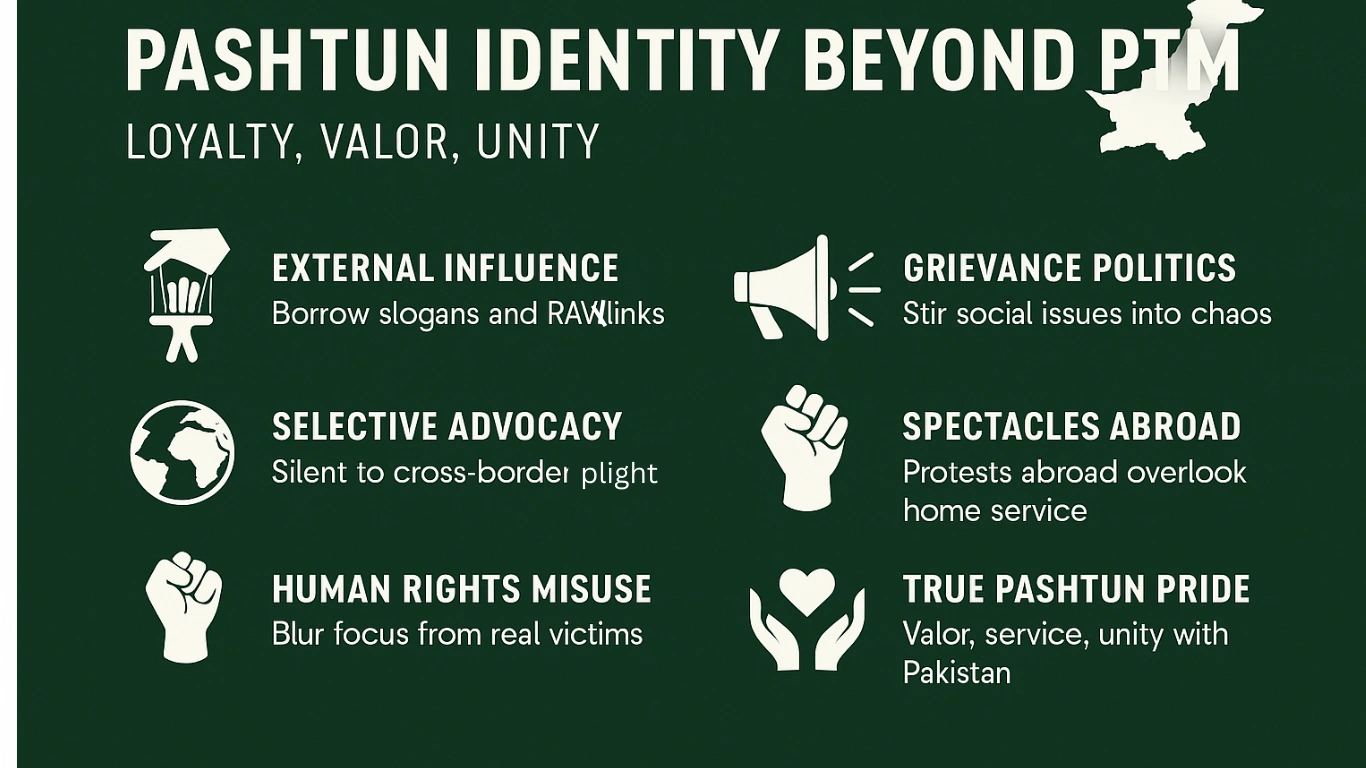
Most Pashtuns are aware of this. They know that their pride and dignity do not come from shouting abroad, but from staying rooted at home, building their lives and strengthening the state they have helped defend for decades. Hence, their story is one of resilience and loyalty, not of borrowed slogans or staged spectacles.
Disclaimer: The views and opinions expressed in this article are exclusively those of the author and do not reflect the official stance, policies, or perspectives of the Platform.

