
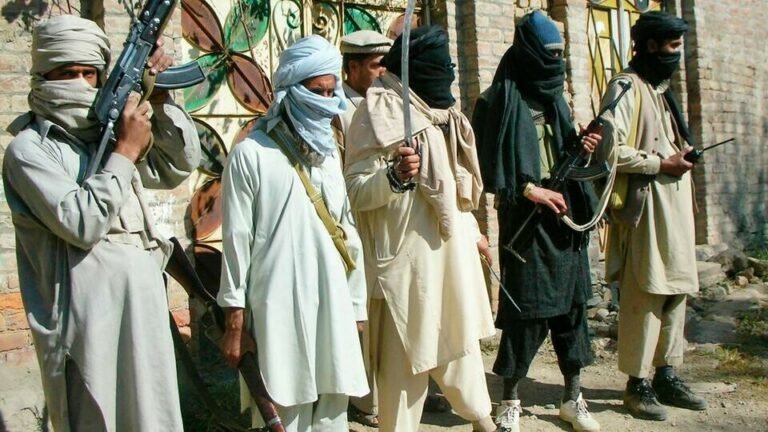

Pakistan, India exchange barbs at UN General Assembly
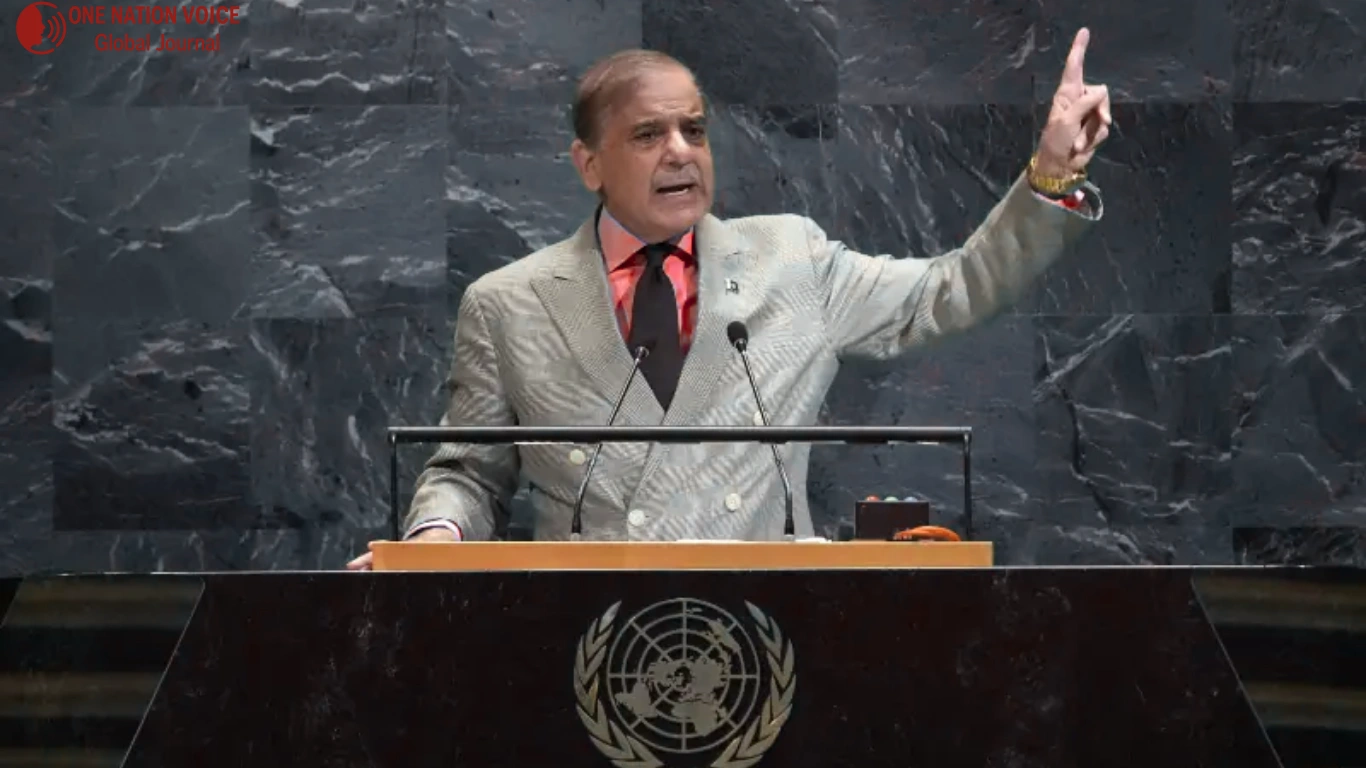
Pakistan, India exchange barbs at UN General Assembly
At the UN General Assembly this year, India and Pakistan once again turned the global stage into a sparring ground. It was not new, but the timing and tone carried extra weight given how tense things have been between the two neighbors lately.
India’s External Affairs Minister S. Jaishankar didn’t name Pakistan directly, but it was clear who he meant when he called out the “epicentre of global terrorism” and tied it to the recent Pahalgam attack in Kashmir. Indian officials even used the word “Terroristan” to drive the point home. That provoked Pakistan’s delegation, who fired back by calling the label absurd and accusing India of state-sponsored terrorism in Kashmir and beyond.
The back and forth was not just about rhetoric. Pakistan’s Saima Saleem, speaking for her delegation, said India’s claims were baseless and designed to smear Pakistan internationally. India responded that no amount of “drama” could cover up the facts. At one point, Indian diplomats even walked out after Pakistan hit back at the “Terroristan” remark, which shows just how raw these exchanges remain.
Also Read:Pakistan at UNGA: India is a ‘Regional Bully’, Remarks Called ‘Utterly Shameful’
All of this played out in the shadow of real-world tensions. Earlier this year, India carried out missile strikes under what it called Operation Sindoor, targeting areas inside Pakistan and Pakistan-administered Kashmir in response to militant attacks. Pakistan claimed civilian areas were hit and said it shot down Indian aircraft. A ceasefire followed, but it was shaky at best. So when both countries clashed verbally at the UN, it felt like an extension of the battles they’re fighting back home and along the border.
Why does it matter? Because the UN isn’t just symbolic. It’s a place where both sides try to shape the global narrative. India wants the world to see Pakistan as the source of cross-border terrorism. Pakistan wants to flip that, painting India as the aggressor and itself as unfairly targeted. These words are aimed as much at the international community as at each other.
In the end, no one was convinced or converted. The speeches and replies did not change policy or ease tensions, but they reminded everyone that India and Pakistan remain locked in a fight over not just territory but reputation. It’s a struggle that plays out on the ground in South Asia, but also in rooms like the General Assembly hall, where words can sting almost as sharply as weapons.

