

Inside Taliban-India Diplomacy
 India and Afghanistan
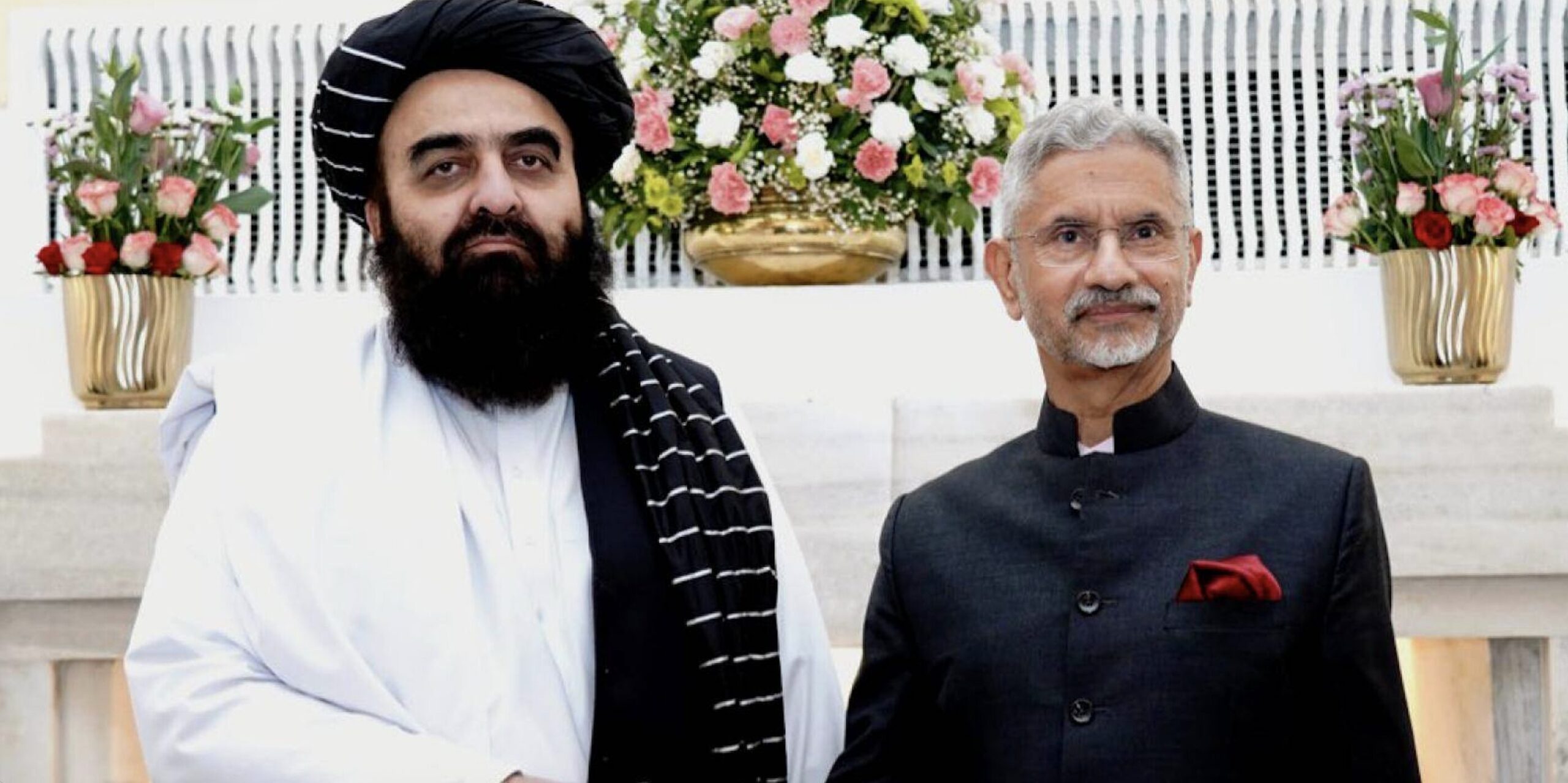
When Nooruddin Azizi, Afghanistan’s Minister of Industry and Commerce, arrives in New Delhi on 19 November 2025, he will not just be stepping into yet another diplomatic meeting. He will be stepping into a political contradiction of historic proportions. His visit, to expand trade, improve import-export systems, and explore diversified commercial routes, comes only weeks after Foreign Minister Amir Khan Muttaqi spent an extraordinary eight days in India. That trip required a temporary UN sanctions exemption, a reminder that India has still not formally recognized the Taliban. Yet, for all the ideological rigidity the Taliban display at home, it is striking how flexible their foreign policy becomes when India is involved.
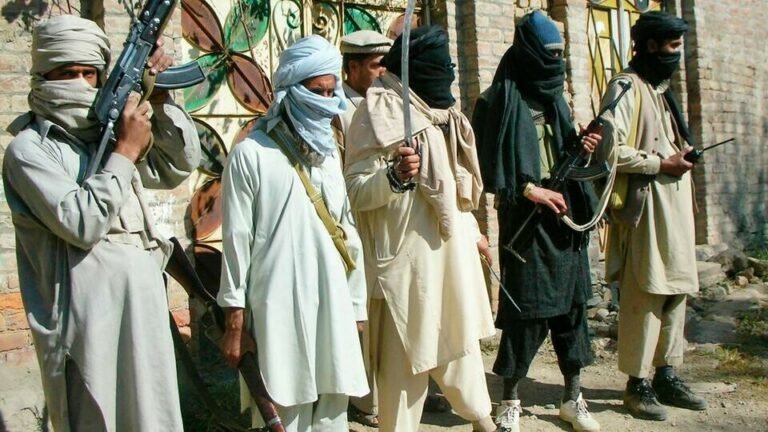
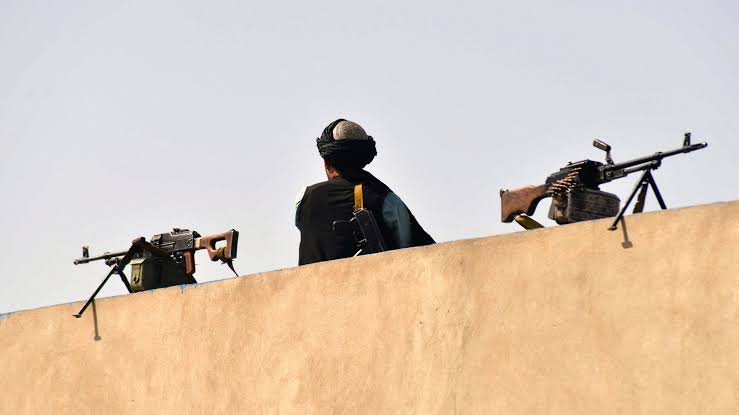
To understand this transformation, one must revisit the Taliban’s own story about India. For over twenty years, they described India as a Hindu “kafir” state, a land of “idol-worshippers” bent on undermining Islam in Afghanistan. Their propaganda painted New Delhi as a manipulator in Kabul, an enabler of the very Afghan republic they sought to overthrow.
The Taliban, rulers of the Islamic Emirate, are now actively seeking Indian markets, Indian investment, and Indian-built infrastructure. In simple terms, ideology has yielded to economics
Nothing exposes this reversal more vividly than the memory of the Bamiyan Buddhas. In 2001, the Taliban destroyed the gigantic statues, claiming they were waging war on un-Islamic idols and the Buddhist-Hindu civilization they represented. Today, however, they extend diplomatic warmth toward India, a state that presents itself as a global custodian of Buddhist and Hindu heritage. The Taliban’s past was defined by demolishing symbols of that civilization; their present is defined by courting the heirs of it. Few diplomatic shifts carry such symbolic irony.
The Taliban’s narrative about India has changed not because their worldview has evolved, but because their circumstances demand it. Afghanistan faces economic paralysis, severe cash shortages, a humanitarian crisis, and crippling isolation from global financial systems. India, meanwhile, offers what the Emirate desperately needs: wheat, trade corridors, access to Chabahar and beyond, infrastructure projects, and a diplomatic bridge to the world’s largest markets.
A government that once condemned India as an enemy now quietly acknowledges it as indispensable
This shift becomes even more revealing when contrasted with Taliban attitudes toward Pakistan. For decades, they spoke of Pakistan as a brotherly Muslim nation, a partner in faith and struggle. Yet when relations soured, over TTP sheltering, border shootings, the fencing of the Durand Line, and refugee pressures, the Taliban did not prioritize reconciliation with their Muslim neighbour. Instead, they knocked on India’s door. It is a telling choice: ideological brotherhood is negotiable, but economic necessity is not. The Taliban’s actions imply that India, a non-Muslim power, now offers more practical advantages than Pakistan, the supposed ideological ally.
The movement’s contradictions extend to the global economic system they once condemned. Taliban leaders frequently denounced Western financial institutions, interest-based banking, and “kufr systems.” Now they seek Indian support to access those very institutions, global banks, investment channels, and international markets. Whatever rhetorical attacks the Emirate launched against the West appear suspended when India becomes the conduit to those systems.
Domestic rigidity contrasts sharply with foreign flexibility. At home, the Taliban justify bans on girls’ education, restrictions on women’s work, and curbs on media freedom as non-negotiable requirements of “pure Sharia.” Yet the same leadership displays remarkable malleability in dealing with New Delhi. The strict ideological positions that shape life for Afghans seem to evaporate when diplomacy and trade are on the table.
It is difficult to escape the conclusion that the Emirate’s theological absolutism applies more strictly to its own citizens than to its international relations
Even on issues central to Muslim political consciousness, such as Kashmir, the Taliban now tread carefully. Historically, Taliban-affiliated clerics celebrated “jihad in Kashmir” and criticized India’s treatment of Muslims. But today, when senior Taliban officials visit Delhi, there is complete silence about Kashmir, the CAA, or communal violence. The ideological slogans that define their politics vanish the moment they threaten trade, recognition, or access to Indian ports. Pragmatism triumphs over pan-Islamic rhetoric.
Territorial politics reveal another asymmetry. The Taliban still refuses to formally recognize the Durand Line with Pakistan, despite its status as an international border. Yet with India, whether on intelligence matters, militancy concerns, or border sensitivities, they adopt a far more deferential tone. With Pakistan, they project defiance; with India, they project respect. The contrast illustrates how the Emirate calibrates its behaviour based on need, not principle.
Perhaps the most striking contradiction is the Taliban’s pursuit of legitimacy. Publicly, they insist Afghanistan does not beg for recognition. In practice, however, the Emirate’s flurry of diplomatic trips to India suggests a clear search for de facto recognition.
India may not formally legitimize the Emirate, but even a photo-op in New Delhi gives the Taliban symbolic validation on the world stage. It helps them claim diplomatic progress and counter narratives of isolation
For India, engagement with the Taliban is a calculated strategy, not a moral endorsement. New Delhi understands that Afghanistan is too strategically important to ignore, especially amid Chinese and Pakistani ambitions in the region. Engaging Kabul allows India to protect its investments, maintain its influence, and keep a window open into Afghan political currents, without offering formal recognition.
The Taliban’s new warmth toward India unmasks a simple truth: revolutionary zeal often collapses under economic desperation. The Emirate that justified blowing up ancient idols now seeks trade with the world’s largest Hindu-majority state. The movement that once championed jihadist rhetoric now chooses silence if it risks wheat shipments. Ideology, it turns out, bends easily when survival is at stake.

