









JAAC and the Question of Transparency
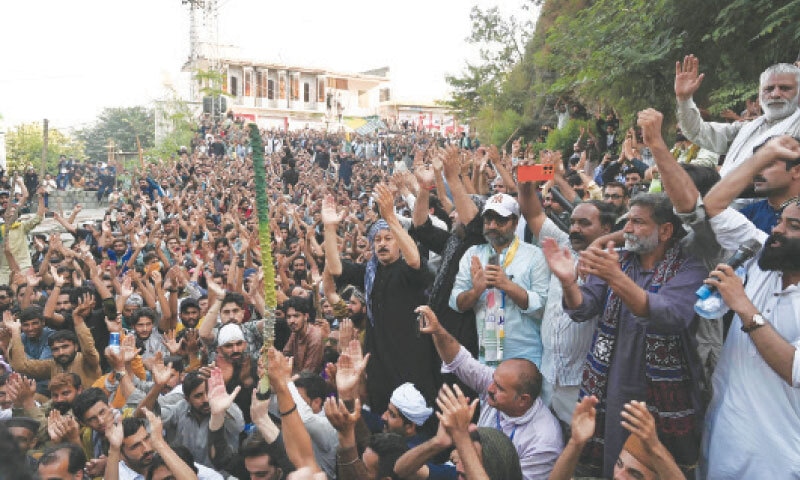
When a protest movement claims it speaks for the public, people naturally expect it to act in public view. That does not mean every detail must be broadcast, but it does mean the basics should be clear. Who makes decisions, who handles money, what rules guide the group, and how it checks abuse. In Pakistan and elsewhere, many movements begin with real pain and real demands, yet they lose public trust when their inner workings feel hidden. The louder a movement says it represents ordinary people, the less room it has to operate like a private club.
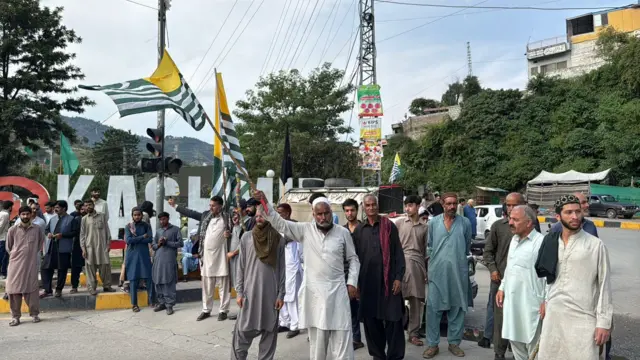
That is why the questions now being raised about JAAC matter. JAAC’s repeated protest activity may be driven by genuine grievances, but sustained protests cost money and require planning. Transport, sound systems, banners, legal help, social media teams, food, and coordination do not appear by magic. If the public sees a movement that can mobilize again and again without explaining how it pays for it, suspicion grows.
People begin to wonder whether the movement is being sponsored, guided, or used by actors whose interests do not match the slogans on the street
Funding is not a dirty word. Every collective effort needs resources. The issue is not that money exists, it is whether the movement is honest about where it comes from and how it is spent. If donations are involved, supporters deserve to know how contributions are collected, who has signing authority, and what safeguards exist against misuse. If wealthy backers or business groups support the cause, the public deserves to know that too, because funding can shape priorities. Even when donors do not directly control a movement, money can quietly set the agenda by deciding what is possible and what is ignored.
Organizational structure raises the same concerns. A movement can call itself a public rights platform, yet still run on personal loyalty, informal power, and closed decision making. When leaders are not chosen through clear processes, critics can claim the movement is a front for personal ambition. When there is no visible mechanism for internal disagreement, people assume dissent is punished or pushed out.
And when spokespersons change their statements, or when different figures claim authority at different times, confusion spreads. Confusion quickly becomes doubt, and doubt becomes a loss of moral weight
Lack of transparency harms credibility in two ways. First, it creates space for rumors, and rumors travel faster than facts. If JAAC does not explain its funding and structure, others will explain it for them, often in the worst possible way. Second, it weakens the movement’s ethical standing. A movement asking the state to be accountable cannot credibly refuse accountability itself. People notice the double standard. They may still agree with some demands, but they stop trusting the messengers. In politics, trust is not decoration, it is fuel.
There is also a practical cost. Without trust, public participation shrinks. Families hesitate to send young people to protests if they fear hidden agendas. Professionals avoid showing support if they suspect the movement is tied to factional politics. Journalists and civil society groups become cautious, because association can damage their own standing. Over time, the movement becomes dependent on a narrower base, and that base can be easier for rivals to capture or for authorities to isolate. A cause that needs broad support cannot afford to look like it answers to a few unknown hands.
To be fair, protest movements often face real risks. Full openness can expose donors to harassment, leaders to threats, and volunteers to pressure. In some contexts, anonymity protects people from retaliation. But there is a difference between protecting individuals and hiding the system. JAAC, like any movement, can share aggregated information without naming every contributor.
It can publish basic budgets, categories of spending, and clear rules about who approves funds. It can explain how leaders are selected, how decisions are made, and how complaints are handled. Security concerns can be addressed without turning transparency into a taboo
Transparency also improves discipline inside the movement. When finances and authority are clearly defined, it becomes harder for opportunists to collect money in the movement’s name. It becomes harder for splinter groups to claim they represent the whole. It becomes harder for a few insiders to treat public donations as personal property. Clear records and clear roles protect both the supporters and the honest organizers. They also make it easier to correct mistakes, because problems can be traced and fixed rather than denied.
Most importantly, transparency strengthens the moral case. Protest movements are often built on the language of rights, justice, and fairness. Those words carry obligations. If JAAC wants the public to believe it stands for public rights, it should model the values it demands from others. Openness about funding and structure is not a luxury, it is part of the claim to legitimacy. A movement does not earn credibility only by shouting the right slogans. It earns it by showing, through its own conduct, that it can be trusted with the power it seeks to influence.
In the end, people do not only judge a movement by what it opposes. They judge it by what it is becoming. JAAC may well be voicing real public frustrations, but if it allows questions about money and control to linger unanswered, it risks losing the very audience it hopes to represent. Transparency will not silence all critics, and it will not guarantee victory. But it will reduce doubt, limit rumor, and protect the movement’s ethical standing. For any protest movement that claims to speak for the people, that is not optional, it is survival.

