


TTP Tashkeels on the Move
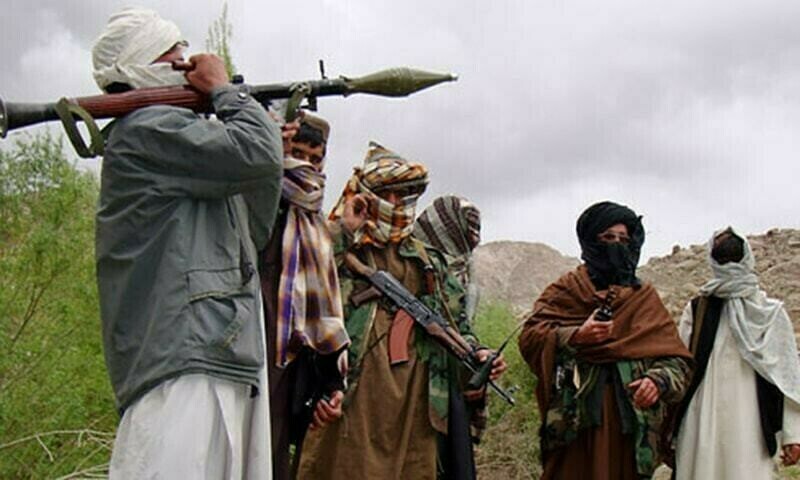
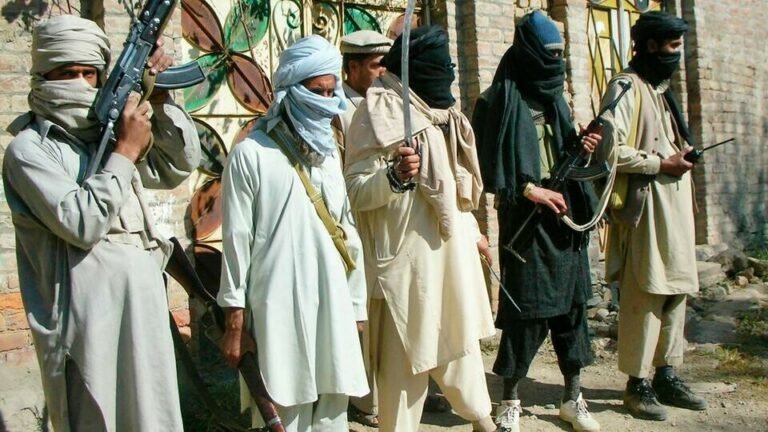
The Afghan Interim Government keeps repeating a simple assurance, that Afghan soil will not be used against any neighboring country. On paper, that promise sounds like the minimum needed for regional stability. On the ground, Pakistan describes a pattern that makes the pledge ring hollow. Since June 2025, Pakistani reporting and intelligence briefings point to a sustained, organized influx of Tehrik e Taliban Pakistan fighters moving from Afghan territory into Khyber Pakhtunkhwa and Balochistan. This is not presented as sporadic illegal movement by a few men slipping through mountains. It is described as systematic, armed, and centrally coordinated, which matters because coordination needs safe corridors, staging areas, and protection.
If the scale being cited is even broadly accurate, it becomes difficult to call this negligence. Pakistan says credible assessments confirm more than 4,000 TTP militants, operating in over 172 structured tashkeels, crossed into Khyber Pakhtunkhwa from Kunar, Nuristan, Nangarhar, Paktika, Khost, and Paktiya. In parallel, Pakistan reports that 83 TTP tashkeels, around 1,200 militants, entered Balochistan via Zabul, Kandahar, and southern Paktika.
Such numbers imply logistics, internal discipline, and repeated movement through the same routes. They also imply that the Afghan side either cannot impose writ in these areas, or chooses not to
The more troubling allegation is not just that militants exist, but that they move without resistance or restriction. Pakistan’s position is that the corridors remain fully operational and that the flow has continued uninterrupted. In practical terms, that suggests a cross border terrorism infrastructure, one that does not survive on chance. It survives because it has space to assemble, to brief, to arm, to recover, and to launch. When a government claims control while armed units mobilize repeatedly from its territory, outsiders will judge it by outcomes, not statements.
The Kabul dimension deepens the credibility problem for the Afghan Interim Government. Pakistan points to senior TTP leadership living openly in the capital, with Noor Wali Mehsud highlighted as the key figure, described as residing under Taliban protection while directing attacks against Pakistan. The claim includes specifics, such as documented visits to public facilities like Hewad Shifa Hospital, state controlled housing, armed protection, financial facilitation, and an alleged monthly payment of about 43,000 dollars.
These details may be contested, but their very circulation underlines a central point, denials are no longer persuasive when the alleged sanctuary is not remote, but political and urban
The alleged ecosystem is also said to include elements of the GDI and the Haqqani Network, along with settlement of TTP figures in state controlled residential complexes, including areas such as Tahiya Maskan. This matters because it shifts the narrative from passive tolerance to institutionalized protection. A state that is merely weak might fail to dismantle camps in distant valleys. A state that hosts leaders in protected urban settings crosses into something else, a willingness to absorb the political cost of sheltering armed actors who target a neighbor.
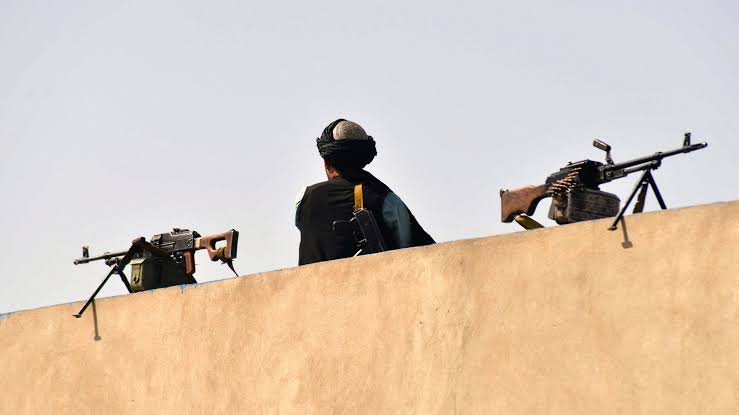
Weapons and capability add another layer. Pakistan alleges that TTP operations are sustained through access to abandoned United States and NATO weapons, including M16 and M4 rifles, night vision devices, and thermal optics, transferred with Taliban facilitation. Whether every item is traced cleanly or not, the operational effect is visible in the sophistication and confidence of militant raids. Advanced sights and night fighting gear are force multipliers, especially along rugged border terrain.
If such equipment is circulating in militant networks, it raises the stakes for Pakistani civilians and security forces and increases the chances of escalation between states
Pakistan also argues that the Afghan Interim Government has had ample opportunity to act and has chosen not to. It cites verified intelligence shared on more than 60 TTP camps across eastern Afghanistan, yet claims the camps remain intact, allowing regrouping, training, and repeated infiltration. Again, even if numbers are disputed, the policy implication is clear, a government that truly intends to prevent cross border violence would be expected to demonstrate visible disruption, arrests, expulsions, asset freezes, or at least meaningful restrictions on movement. When the response is limited to denial, the denial becomes part of the problem.
Another point Pakistan raises is the repeated killing or capture of Afghan nationals during attacks inside Pakistan, presented as evidence that violence is exported from Afghan soil. This is not a rhetorical flourish. It is a practical rebuttal to the idea that the threat is purely domestic Pakistani militancy with no external base.
If attackers include individuals traced back to Afghanistan, then the safe haven question is no longer theoretical. It becomes an operational fact that shapes border policy, diplomacy, and the risk calculus on both sides
Pakistan’s anger is rooted in trauma and cost. The country states it has sacrificed more than 94,000 lives and absorbed economic losses exceeding 150 billion dollars during years of terrorism and counter operations. Those figures are not just statistics, they are a national memory and a political constraint. In that context, Pakistan frames its response as calibrated self defense rather than destabilization. From Islamabad’s perspective, instability is not driven by Pakistani choices, it is driven by the sustained protection of militant networks across the border.
If the Afghan Interim Government wants its assurances to carry weight, it needs to replace slogans with verifiable action. That means shutting down camps, restricting movement corridors, removing sanctuary from leaders, and demonstrating that Afghan territory will not be weaponized for proxy violence. Without that, Pakistan will continue to treat the situation as state enabled terrorism, not an unfortunate spillover. In the region’s harsh reality, credibility is measured in dismantled infrastructure, not in repeated promises.

