



Why Afghan Officials Drift Toward ISKP

Dissident elements within the interim Afghan government, drifting toward Islamic State Khorasan Province, are not just a security problem. They are a symptom of deeper fractures inside the ruling order. What looks from the outside like a tightly controlled structure is, in reality, a fragile arrangement held together by bargains, rivalries, and uneven patronage. When those bargains break, frustrated insiders start looking for alternative platforms to regain relevance. ISKP has become one of those platforms, and that should worry everyone who has an interest in regional stability.
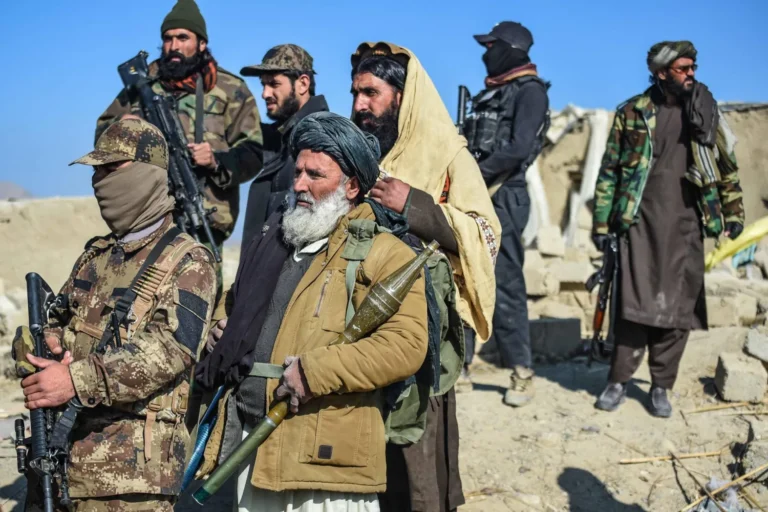
Many mid-level commanders and officials expected that victory would translate into clear authority, material rewards, and a respected position in the new order. Instead, a number of them have found themselves sidelined, relocated, or simply ignored in key decisions. Power is concentrated in select circles, and those who do not belong to these inner networks often feel they are treated as expendable.
This sense of exclusion breeds resentment. For such individuals, joining ISKP is not always about pure ideology. It is also a protest against being pushed to the margins and a way to signal that they still matter
ISKP understands this psychology very well. Its recruiters do not operate in a vacuum. They watch closely for disgruntled fighters, unpaid units, and officials who complain about being cut out of decision-making. They approach them quietly, person to person, using shared backgrounds, old battlefield ties, or tribal and local connections. They offer what the interim structure has failed to provide: a sense of purpose, clear status in a hierarchy, and most importantly, financial support. Someone who has spent years fighting and now sits idle with no income is very vulnerable to an offer that restores both income and identity.
The internal factionalism of the interim setup makes this problem worse. Rival groups compete for influence, control of revenue streams, and key ministries or security portfolios. This competition weakens internal discipline. Orders coming from the top do not always reach the ground as intended. Some local commanders feel they answer more to their personal network than to the formal chain of command. In such an atmosphere, a fighter or mid-level officer can defect to ISKP with relatively low risk. The system is too fragmented to detect every move, too divided to react quickly, and sometimes too fearful of exposing its own weakness to admit that defections are taking place.
These dissident elements do not come empty-handed. They bring knowledge that ISKP could not easily obtain on its own. A former insider might know which patrol routes are predictable, where checkpoints are thinly manned, who in a district is sympathetic, and which safe houses the security apparatus relies on. They might be familiar with internal communication practices and informal channels used to coordinate between units. Even partial access of this kind can help ISKP plan attacks that avoid early detection and exploit specific gaps in the security grid.
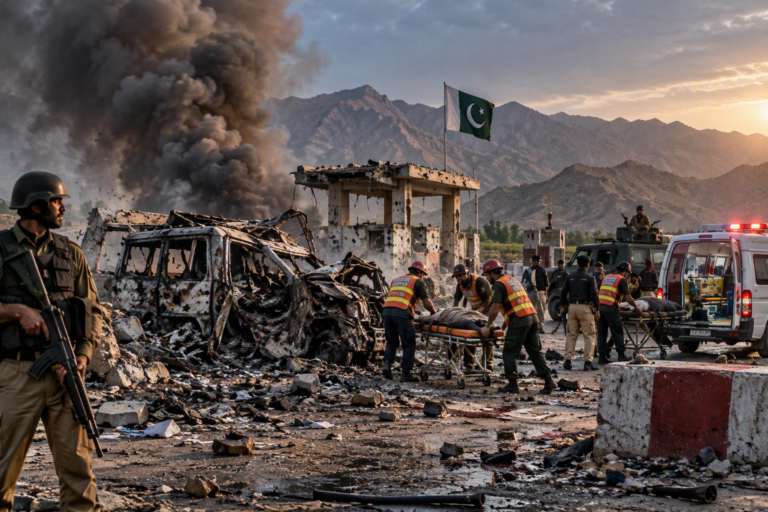
This is not theoretical. Every time an insider defects, the risk grows that operational details are being transferred to a group that thrives on surprise and shock
ISKP also understands the symbolic value of these defections. It does not need thousands of former officials to join. Even a handful of well-placed defectors can be turned into a narrative. In its propaganda, ISKP portrays itself as the true standard bearer of pure belief, attracting those who are disillusioned with what they see as a corrupt or compromised government. When a commander or cleric with some standing crosses over, ISKP amplifies the story to signal momentum and inevitability. This message is aimed not only at Afghans, but at potential recruits in the wider region and beyond, who may see insiders switching sides as proof that the group is gaining strength.
A central reason this trend continues is the absence of effective accountability and internal oversight within the interim government. There are few transparent mechanisms to track loyalty, investigate suspicious movements, or respond systematically to early warning signs. If an official disappears for a while, or if a small unit suddenly changes location, there is often no structured follow-up. Local grievances are handled informally, sometimes ignored altogether.
In this context, defections can occur without clear consequences, either because they are not detected in time or because internal politics makes it uncomfortable to admit that such losses have happened
All of these point to a more serious conclusion. Internal fragmentation within the interim Afghan government is no longer a purely political issue. It has become a direct driver of ISKP resilience and growth. Each sidelined official who leaves, each unpaid fighter who turns to ISKP, each rival faction that quietly tolerates radical elements for its own short-term gain, adds another piece to the puzzle of ISKP strength. The group feeds on cracks in the system. Where there is exclusion, it offers belonging. Where there is confusion, it offers certainty. Where there is neglect, it offers attention and money.
If this trajectory continues, the security challenge posed by ISKP will not simply be about border control, external support, or isolated cells that can be uprooted with force alone. It will be deeply embedded in the political and administrative fabric of Afghanistan itself. The line between state and insurgent will blur in places where former insiders use their old contacts to shield their new loyalties. For regional actors and the wider international community, this should be a warning. Any strategy that treats ISKP as an entirely external or underground phenomenon misses the internal engine that is quietly helping it expand.
The most effective response would require the interim Afghan authorities to look inward, not just outward. They would need to address power imbalances, reduce exclusion, ensure regular pay and clear roles, and create credible channels for airing grievances before they turn into defection. Without such reforms, security campaigns against ISKP will amount to pruning the branches while leaving the roots untouched. The current pattern makes one thing clear. As long as dissident elements inside the ruling structure see ISKP as a pathway to relevance and reward, the group will keep finding fresh recruits from within the system that is meant to defeat it.

