

CPEC 2.0 and the Making of Industrial Pakistan
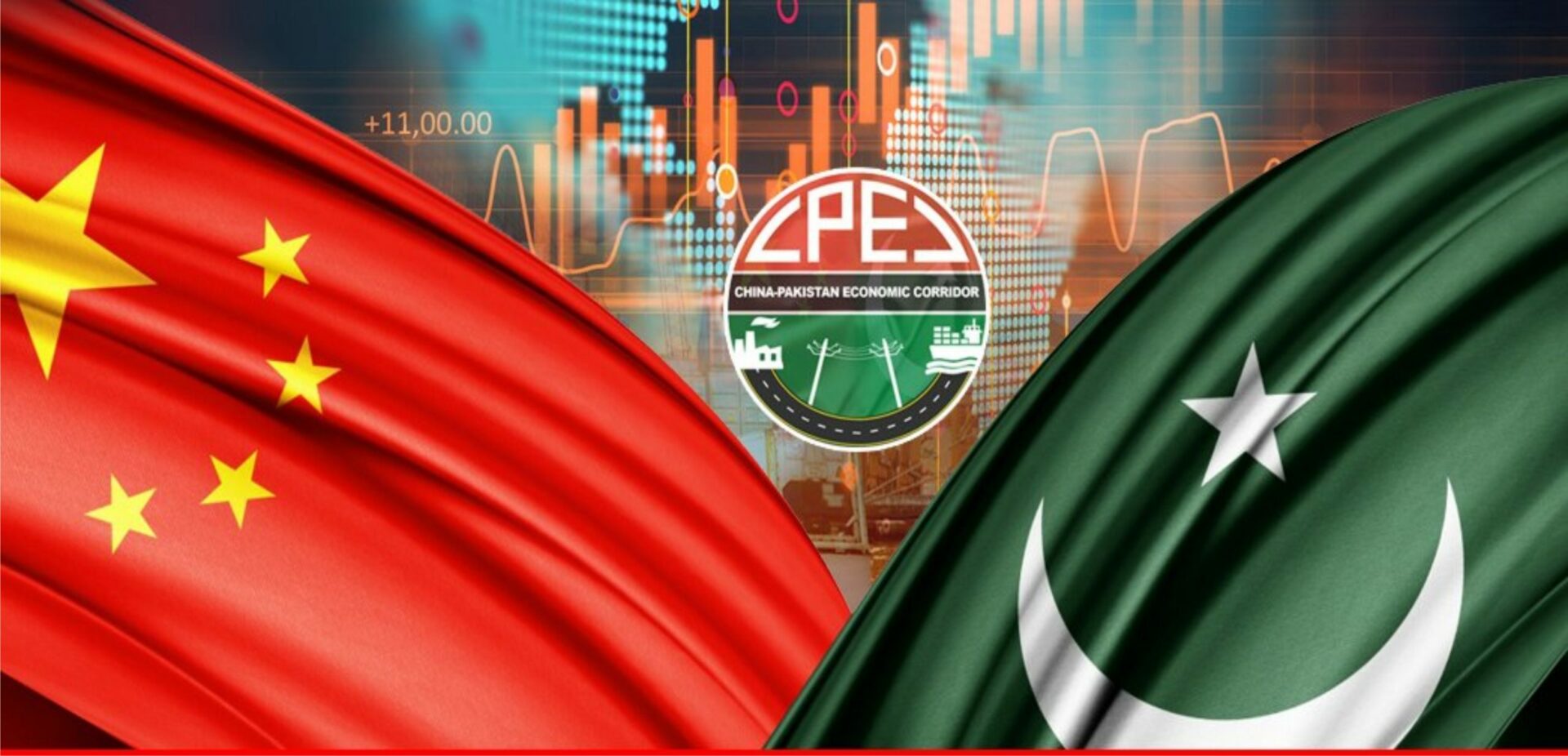
Pakistan is entering 2026 with a very different story from a decade ago. For years, the country was described as a corridor, a bridge on someone else’s map. Today, through a new wave of Chinese partnerships, that map is being redrawn. Under the second phase of the China-Pakistan Economic Corridor, Pakistan is not only moving goods, but it is also starting to make them. The shift from roads and power plants to factories and shipyards is turning a geopolitical route into a real production base.
The launch of CPEC 2.0 marks this turning point. The first phase, starting in 2015, was about survival, keeping the lights on and linking the country through energy and transport projects. The new phase is about transformation. It ties directly into Pakistan’s URAAN framework and China’s own focus on high-quality development. At the centre sits the Industrial Cooperation Action Plan for the years from 2025 to 2029, which aims to relocate parts of Chinese manufacturing to Pakistan and plug local industry into regional and global supply chains. That is a far more ambitious vision than simply laying concrete.
Crucially, the sectors now being targeted are those that define modern industry. Chemicals and pharmaceuticals, engineering goods, iron and steel, agro processing, light manufacturing, home appliances, and construction materials are all on the list. The intention is not to turn Pakistan into an assembly shop, but into a producer of value-added goods using energy-efficient and environmentally responsible technologies.
If this agenda holds, it can pull the country out of a low-skilled, import-dependent trap and into a more sophisticated industrial lane
Special Economic Zones are the main vehicles for this transition. Rashakai Economic Zone, the Allama Iqbal Industrial City in Faisalabad, and new zones in Sindh, such as Dabaji, are already drawing investors in processing, automobiles, electronics, textiles, and consumer goods. By 2025, early development stages in zones around Faisalabad were largely complete, with some clusters recording about seventy three percent occupancy or sales. That is not just a statistic; it is evidence that firms see Pakistan as a serious location for production. Combined with tax exemptions, customs facilitation, and ready infrastructure, these zones can become laboratories for wider reform, if bureaucracy and local politics do not suffocate them.
Money is following this story. China remains Pakistan’s largest source of foreign investment. In the first quarter of the financial year 2026, from July to September 2025, Chinese inflows reached about one hundred eighty-eight point six million dollars, more than one third of total investment entering the country. Business-to-business events in September 2025 produced memoranda of understanding worth around eight and a half billion dollars, another sign of strong interest. The challenge now is to turn promises into plants and contracts into exports, while also widening the investor base so that Pakistan is not overly dependent on a single partner.
The real promise of this industrial push lies in jobs, skills, and technology. Pakistan has a large, young population that has too often found itself underemployed or pushed into informal work. Properly managed Chinese relocation can train technicians, engineers, and managers, not just offer low-wage work on assembly lines. That requires serious attention to vocational education, transparent public-private partnerships, and predictable regulation.
The government’s recent efforts to improve the business environment and reduce policy flip-flops are steps in the right direction, but consistency over several years will determine whether factories stay and expand
While manufacturing zones anchor growth on land, the other big story is unfolding along the coast. Pakistan’s blue economy agenda treats the sea as a new frontier for exports and jobs. Gwadar Port, operational since 2016, is slowly evolving into a smart transshipment hub that connects Central Asia, the Middle East, Africa, and South Asia. The East Bay Expressway, completed in 2022, a new international airport that began operations in 2025, and continuing work on port systems are changing Gwadar from a symbol into a functioning logistics centre. Projections that it could lead to national cargo throughput by 2030 tie directly into Pakistan’s long-term goal of reaching a one trillion dollar economy.
Shipbuilding sits at the heart of this maritime plan. The Gwadar Shipyard Mega Project is designed to lift Pakistan’s shipbuilding capacity, open up space in regional and even global markets, and, importantly, create large numbers of jobs for the people of Balochistan. Reviving the Gadani shipyard and planning new facilities for commercial and specialised vessels complements this push. If managed well, these projects can build a local ecosystem of metal works, marine engineering, and services, instead of relying only on contract work from abroad.
Fisheries and aquaculture are another pillar of the blue economy. Policy now centres on value addition, from cold chains and processing plants to modern branding for foreign markets. Joint ventures in the seafood trade are emerging around Gwadar, with exports targeting Gulf, African, and Southeast Asian buyers.
The benefits go beyond export receipts. Better handling and storage improve food security, raise incomes for coastal communities, and support rural employment that has long been neglected in national planning
Logistics reforms tie the land and sea strategies together. Digital customs systems and more modern port operations, backed by CPEC-related connectivity, can spread cargo flows more evenly and reduce pressure on Karachi Port and Port Qasim, which currently work far below their potential. Over time, a networked port system with Gwadar as a key node can reduce costs for Pakistani exporters and make the country more attractive for regional trade flows.
None of this will work without people and security. A proposed Maritime Training Institute in the Gwadar region aims to teach shipbuilding, logistics, sailing, and fisheries skills, ensuring that local populations are not sidelined but participate in growth. The Pakistan Navy’s role in protecting maritime routes from piracy, smuggling, and illegal fishing is also central. Investors need to know that their cargo, ships, and facilities are safe. At the same time, the blue economy approach rightly talks about sustainability and livelihoods, reminding policymakers that fragile marine ecosystems cannot simply be mined for short-term gain.
Taken together, these trends suggest that Pakistan in 2026 is no longer just a passage between other economies. It is slowly becoming a manufacturing and maritime hub at the crossroads of Asia, the Middle East, and Africa. The direction is encouraging, but success is not guaranteed. It will depend on steady reform at home, transparent governance of CPEC projects, respect for local communities, and serious environmental safeguards. If those pieces fall into place, CPEC 2.0, the URAAN vision, and the blue economy can do more than build ports and plants. They can turn Pakistan’s geography from a burden and risk into a real source of long-term, shared prosperity.

