

From Prayer to Langar at Gurdwara Punja Sahib
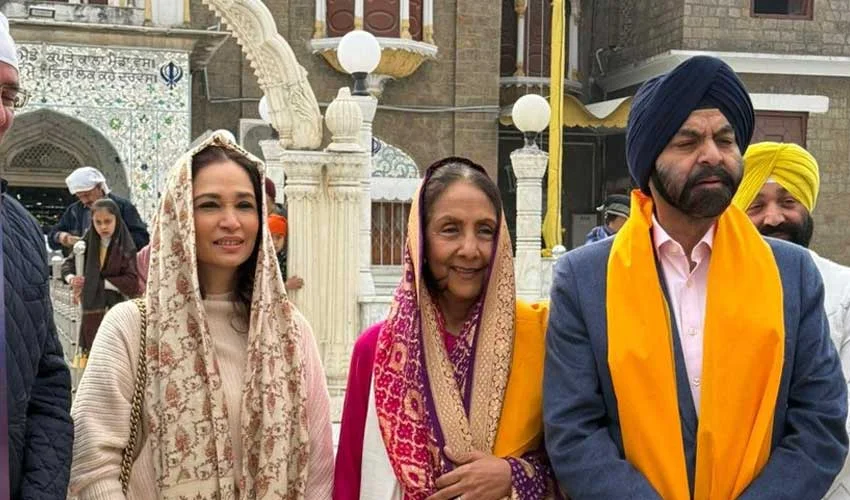
The visit of Ajay Pal Singh Banga to Gurdwara Sri Punja Sahib matters for reasons that go beyond ceremony. Pakistan often gets described through the narrow lens of conflict, security fears, and political drama. That lens is not always invented, but it is incomplete. When the head of a major global institution chooses to pay respects at a Sikh sacred place, sit with worshippers, and share Langar, it sends a quiet but strong message: Pakistan’s religious landscape is more layered than the headlines suggest, and its future image can be shaped by what it chooses to host, protect, and proudly show.
Symbolism can be cheap when it is staged, but this kind of symbolism has weight because it happens in a space that carries lived meaning. Gurdwara Sri Punja Sahib is not a photo backdrop. It is tied to Sikh history and memory, and it is a place where pilgrims come to connect with faith through prayer, community, and tradition. A visitor can talk about tolerance at a podium, but sharing Langar is a different kind of statement. Langar is not about status or protocol.
It is about equality, the idea that everyone sits together and eats the same meal. When a global figure participates in that practice, the image travels farther than any press release ever will
The presence of Muhammad Aurangzeb and Sardar Ramesh Singh Arora alongside the World Bank President also matters, and not just for optics. It signals ownership by the state, not a hands-off attitude that leaves minority communities to manage alone. Minority protection cannot be treated as charity or occasional outreach. It has to be part of governance, budgeting, policing, and public messaging. When senior officials show up, listen, and participate respectfully, it helps normalize inclusion as routine public life. That normalcy is what reduces fear and mistrust over time, more than any slogan.
Security, too, carries its own message. The fact that district administration and police provided comprehensive arrangements for a visiting international dignitary is not a small detail. Pakistan has a long list of tragedies where places of worship were targeted, and those wounds do not disappear just because a visit goes smoothly. But competent security planning shows capacity, and capacity builds confidence. For pilgrims deciding whether to travel, for diaspora communities weighing emotional ties against practical risks, and for international institutions judging stability, visible competence matters.
It also matters for local communities that need to feel that their sacred spaces are protected as a basic right, not as a temporary favor
Still, the bigger opportunity here is tourism, especially religious tourism, and Pakistan should treat it as a serious national project. Thousands of Sikh pilgrims already visit Punjab each year, with Baisakhi as a major draw. That flow can grow if Pakistan invests in the full experience, not only the shrine itself. Roads, signage, clean rest areas, respectful visitor services, trained guides, and reliable transport links all shape whether a pilgrim returns and what they tell others. The Punjab government’s focus on renovation and beautification is a good start, but renovation alone is not a strategy. A strategy connects heritage conservation with hospitality standards, digital services, and coordination between federal and provincial bodies, so visitors feel welcomed from arrival to departure.
There is also a clear diplomatic upside. Religious tourism is not only about revenue. It is about people-to-people ties, and those ties can soften tensions that politics keeps hard. When Sikh pilgrims from abroad return with positive stories, those stories become a kind of informal diplomacy. They challenge stereotypes, they create friendships, and they build a constituency for engagement rather than isolation. Over time, that goodwill can support broader goals, from cultural exchange to investment confidence. In a region where mistrust is often the default, even small bridges matter.
A dignitary visit to a gurdwara is one of those bridges, because it highlights shared humanity without demanding anyone abandon their identity
Pakistan should also be honest with itself: moments like this only help if they connect to consistent policy. Religious harmony is not proven by one high visibility visit. It is proven by how minorities experience life on ordinary days, in schools, workplaces, police stations, and courts. It is proven by how quickly hate speech is challenged, how seriously threats are investigated, and how fairly laws are applied. If Pakistan wants the world to accept the story of tolerance, it has to keep earning it through steady protections and practical respect. That includes preserving sites, but also safeguarding the dignity of communities that keep those sites alive.
What makes this visit worth paying attention to is that it points to a more confident way Pakistan can present itself. Not as a place asking to be understood, but as a place showing its reality. A country with deep religious history, with sacred sites that matter across borders, and with communities that can host visitors with grace. The choice now is whether leaders treat this as a one-day headline or as a signal to build on. If Pakistan invests in inclusion, heritage, and visitor readiness, it can turn religious tourism into both economic gain and moral credibility. And in a world that often judges nations by the worst images it can find, choosing to be known for welcome, safety, and shared meals is not only smart. It is necessary.

