


Balochistan and the Afterlife of 2021 Weapons
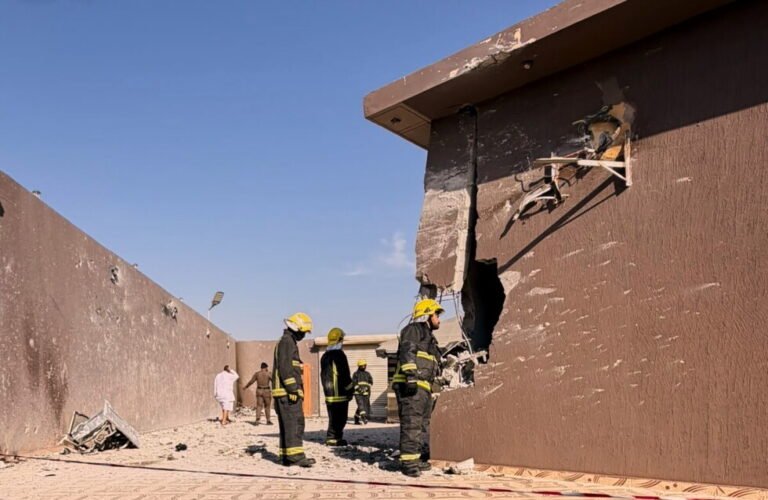
The statement from the Bureau of South and Central Asian Affairs that the US “stands steadfast with Pakistan” in the aftermath of recent militant attacks in Balochistan is important, but only if it leads to serious action. Words of camaraderie have a short half-life in places where the next blast could occur tomorrow. Nonetheless, the tweet was not unclear. It recognized the Balochistan Liberation Army as a Foreign Terrorist Organization and supported accountability for the culprits. That framing is significant because it indicates that Washington does not regard this as a distant, local issue. It treats it as terrorism, which should result in consequences.
Now comes the unpleasant part. Solidarity is easy. Taking on responsibility is more difficult. According to a recent claim widely reported to CNN and echoed by several publications, militants in Pakistan are carrying sophisticated American weapons as well as Israeli-made weapons, such as rifles identified as M4 and M16 models and night fighting gear.
The question virtually presents itself: how can this be happening five years after the 2021 pullout from Afghanistan? The Afghan war may be “over” for the US politically, but the region is still dealing with its aftermath
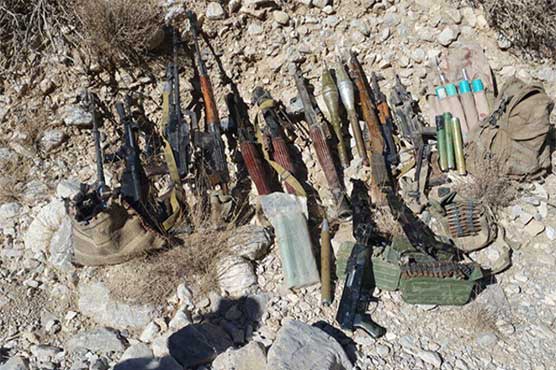
This isn’t a novel dread; it’s the expected aftermath of a collapse. The weaponry was intended to strengthen the Afghan security forces. When the Afghan state collapsed, stockpiles became prizes. Some items stayed with Kabul’s new authorities. Several were sold. Some were stolen. Some were simply led out the door. What distinguishes the current situation is a continual stream of field confirmation, not simply hearsay. According to The Washington Post, Pakistani officials presented seized weaponry, and after months of investigation, the article said that the US Army and Pentagon acknowledged that many of the shown weapons were delivered by the US government to Afghan forces. That level of validation elevates the narrative from a political talking point to a verifiable leak.
The scale should be the focus of attention. Figures vary, but reliable estimates put the total number of small arms in the hundreds of thousands, including night vision devices, vehicles, and airplanes. A public source quoted by CBS News referred to a 2022 US Department of Defense study that listed more than 300,000 weapons among those left behind. That figure is not merely a statistic. It’s a supply base.
In the actual world, a supply base located near borderland smuggling routes does not stay put. Records were skewed during the years of transfers, and the end-game pandemonium did not improve accountability
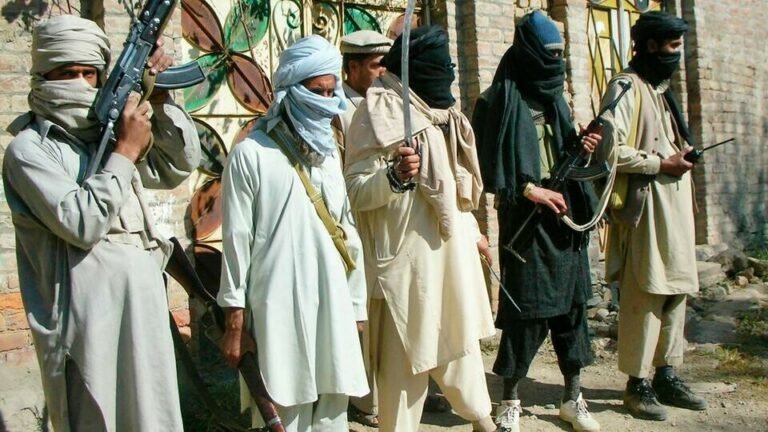
Once weapons join the underground market, they disregard rhetoric about sovereignty and distance. They follow demand, money, and access. According to CNN’s investigation, weaponry entered Pakistan through smuggling networks and is now being used by a variety of militant groups, including the Tehreek e Taliban Pakistan and the Baloch Liberation Army. That is consistent with what Pakistan has been saying for years, but the crucial difference is the combination of equipment: assault weapons combined with optics and night vision raise the bar for what rebels can do. It affects tactical realities, not just political myths. A warrior who can see at night, shoot accurately from a greater distance, and coordinate better is not simply “better armed.” They are more difficult to contain, outmaneuver, and more likely to cause widespread casualties before security forces can intervene.
Consider the reported items: light machine guns of the M249 class, sniper rifles classified as Remington models, and night vision gadgets. This is the type of equipment that can turn an ambush into a massacre, and a raid into a drawn-out conflict. It also affects how militants select targets. With more precise fire and improved night capability, you may launch attacks on hardened positions, convoys, and infrastructure with a better chance of getting in and out. This is consistent with larger reportage on the violence wave in Balochistan, where attacks have been described as coordinated and widespread in nature.
Pakistani security officials told reporters that guns with US markings were found during operations in Waziristan and Balochistan. If this is accurate, there is a clear link between a policy choice in Washington and a shootout in Pakistan, even if it involves theft, resale, and smuggling. That’s significant because it reframes what “standing steadfast” should imply. It cannot simply signify criticism following an incident.
It should entail increased pressure on trafficking networks, more detailed tracing of recovered serial numbers, and coordinated border security support that targets the commercial side of militancy rather than just the shooters
This is not just a Pakistani problem. Spillover weapons impact the security environment for Afghanistan’s neighbors, particularly Iran and China, because the same markets and channels rarely serve a single client. The larger concern is strategic: as modern weaponry becomes more frequent in insurgent hands, nations respond with increased force, broader sweeps, more checkpoints, and distrust. This can exacerbate grievances, which extremist recruiters subsequently exploit. As a result, weapons not only increase lethality but also have the potential to prolong the combat cycle.
Here’s the main point: Washington cannot legitimately vow unwavering support while treating the abandoned weaponry as someone else’s paperwork problem. The United States did not plan to arm jihadists in Pakistan, but intention is not the standard. The outcomes are. Real solidarity would look like a permanent, public tracing mechanism with Pakistan for seized US-origin weapons, backed by resources rather than rhetoric. Sanctions and financial targeting appear to be aimed at brokers and smugglers rather than just the headline groups. It would also appear to be open diplomacy with Kabul officials, because any meaningful effort to prevent leaking must address stockpiles within Afghanistan, even if the diplomacy is politically nasty.
The Afghan War ended on paper. In the region, its weapons continue to speak. The echo can be heard throughout South and Central Asia, including Pakistan. If the United States wants its expression of support to be meaningful, it should approach this as a long tail security failure requiring a long tail reaction measured in years rather than tweets.

