


An Ambush Failed in Panjgur
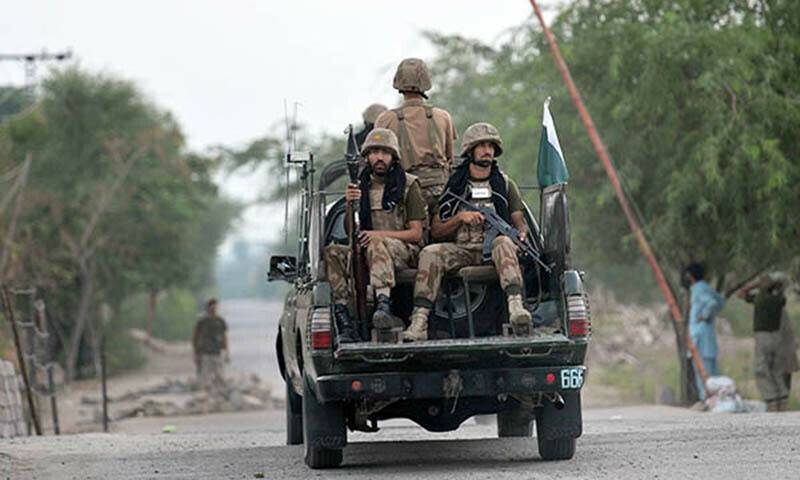
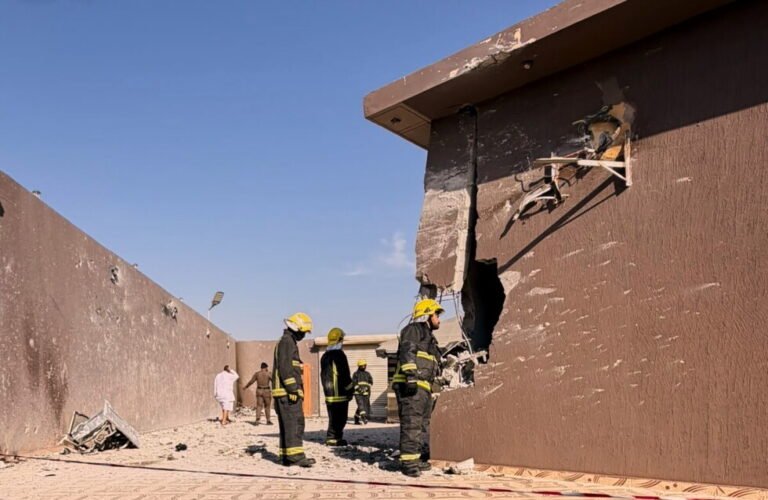
In Panjgur, a similar pattern was repeated, but the outcome was noteworthy. Security troops acted based on precise information, not conjecture, and this distinction is important in an area where topography, distance, and terror can make even regular movements into targets. When terrorists affiliated with the BLA attempted to organize an ambush and open fire on a convoy, the soldiers did not panic or shoot into the darkness. They replied quickly, maintained their formation, and neutralized two assailants. That is more than simply a tactical detail; it is a reminder that training and discipline still matter in a fight that is sometimes characterized as chaotic and interminable.
There is a desire, particularly from afar, to reduce every such episode to slogans. Some may call it proof that the state is winning, while others will see it as evidence that nothing has changed. Both replies miss the point. The true narrative is the contrast between an intelligence-led operation and the conventional style of broad raids that alienate residents and cause more fury than security. When precision is genuine, it reduces the danger to civilians, minimizes harm, and focuses attention on armed actors rather than whole populations.
In communities like Panjgur, where people already have few services and a high level of distrust, this difference might determine whether cooperation flourishes or fails
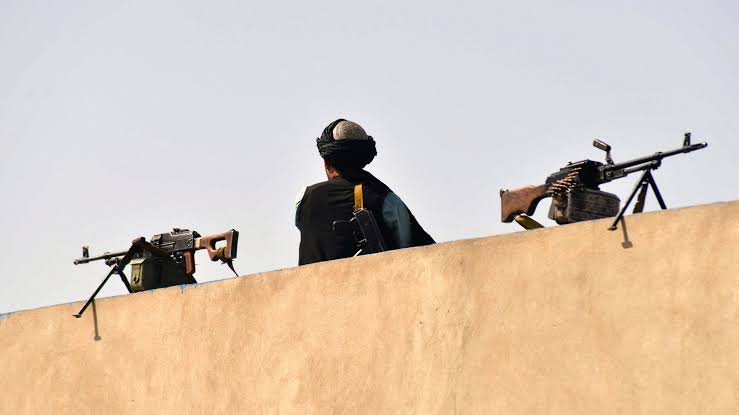
The ambush attempt also gives information on insurgent tactics. Hitting convoys is more than just creating deaths; it’s also about communicating. Militants aim to demonstrate their ability to attack, the state’s vulnerability, and how fear can spread more quickly than facts. Even when a convoy assault fails, it is simple to portray it as powerful. That is why the reaction is as important as the result. When soldiers operate properly under fire, militants are denied the anarchy they want. They also safeguard the public from the ensuing violence that often occurs following a sudden hit, when nerves take control and innocent people suffer the price for another’s wrongdoing.
However, it would be dishonest to portray the neutralization of two assailants as the ultimate solution. Clearance activities in the vicinity indicate that the danger is not restricted to one small group or one terrible night. Militancy in Balochistan thrives on networks, safe houses, local facilitators, and governance deficits that cannot be solved just by firearms. Security action may break a cell and avert immediate danger, but it does not address the root reasons of recruitment, such as unemployment, inadequate police, a lack of resources, and the perception that choices are imposed rather than shared.
An operation may be exact while yet being part of a larger strategy that is not yet performing well enough
That is why the public should expect both effective security and accountability. The state has a responsibility to safeguard lives and maintain roadways safely, particularly for those who cannot avoid travel and workers who are attempting to make a living. At the same time, every clearing procedure involves risk. In difficult situations, the distinction between suspect and onlooker may blur fast. Professional forces should welcome supervision that demonstrates they are doing the right thing because it fosters confidence and reduces the space in which extremists might hide. If the operation in Panjgur was intelligence-based and managed, it should be easy to communicate details with the public while being reasonable and demonstrating that activities were legal.
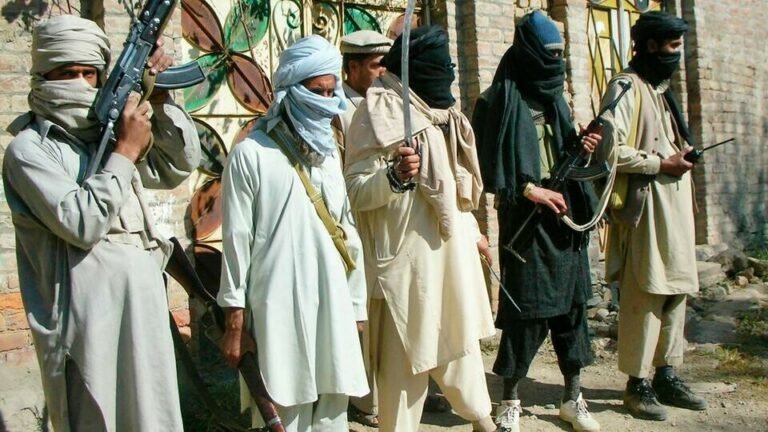
We also need more open public discussion about what militants do to locals. The strongest speakers often talk as if these organizations are simply battling the government. In actuality, extremists threaten, extort, and impose quiet. They convert communities into hideouts, put pressure on families, and punish anyone who dissents. Their aggression impedes growth and prevents regular living from taking root. When they pick ambushes, they bring gunfights to public highways. So, although it is correct to challenge the government, it is equally correct to reject the romantic narrative that portrays armed groups as heroes.
An assault on a convoy is not political; it is violent, and it endangers everyone involved
If Panjgur is to remain tranquil, the response to this occurrence should not end with clearing sweeps. It should include improved community police, stronger municipal government, and tangible economic strategies that are apparent in everyday life, not just on paper. It should include equitable treatment of complaints, faster access to justice, and a clear route for young people to choose employment over guns. Security personnel can provide breathing space by stopping attacks, but citizens want something to breathe for. When the state demonstrates skill in the field, as it did in this quick reaction, that competence should be matched by competence in governance.
For the time being, the most important lesson is straightforward. The extremists attempted an ambush, shot, and were apprehended because the reaction was quick and controlled. That is worth recognizing without turning it into propaganda. It is also useful as a standard. If accuracy and professionalism are feasible in Panjgur under fire, they should be the norm rather than the exception. And, if clearing operations continue, they should be carried out with caution, transparency when feasible, and a clear strategy for what follows next, so that each tactical victory contributes to a safer, more stable existence for the people living there.

