





Quetta Conference Signals Resolve
 Screenshot
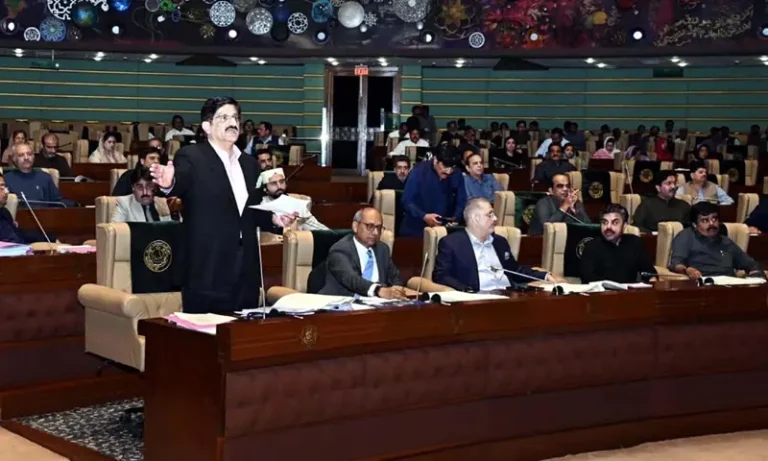
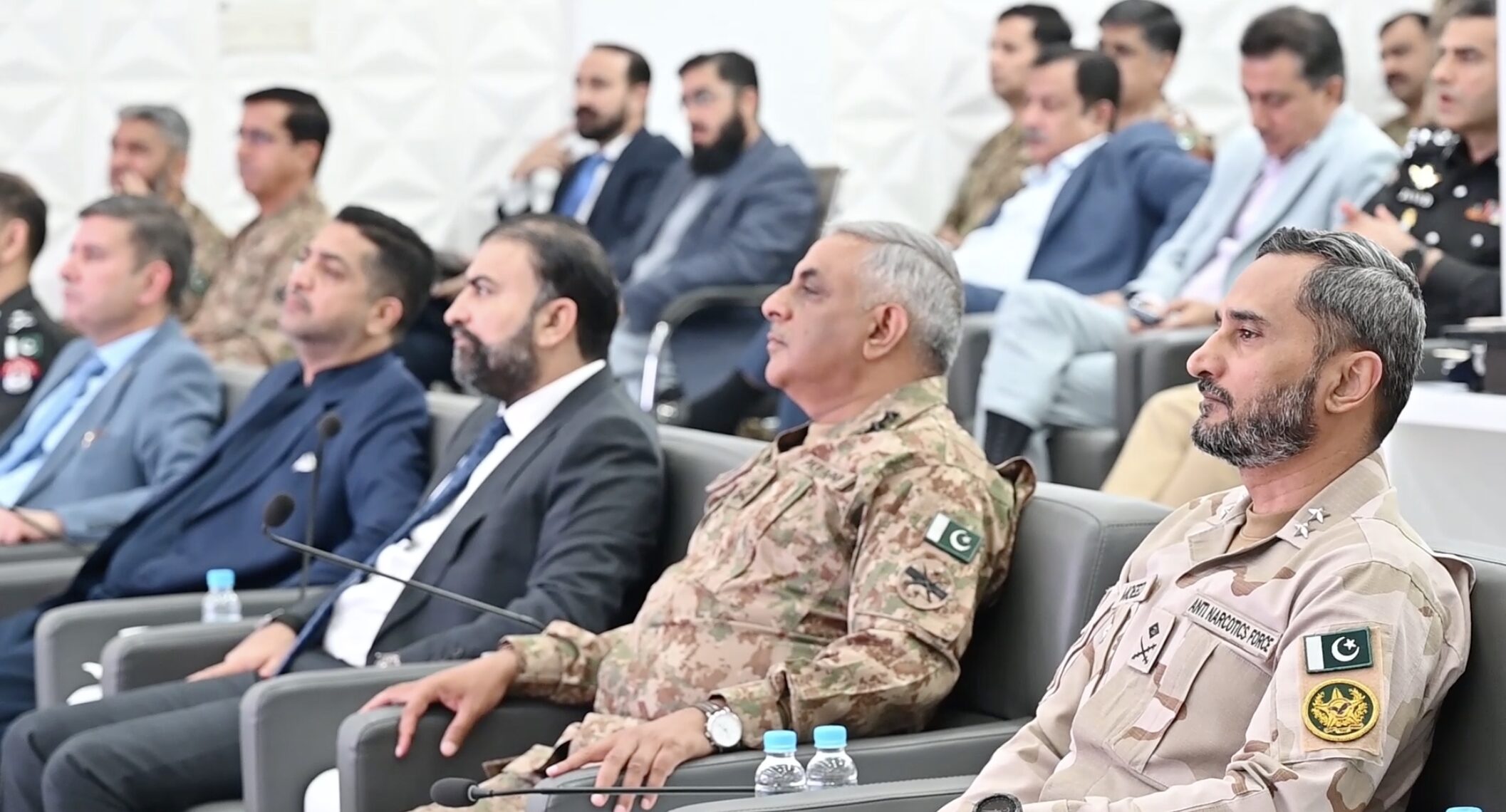
The 22nd meeting of the “Hardening of the State” Conference in Quetta carries significance beyond the symbolism of another official gathering. Held under the chairmanship of Chief Minister Balochistan, Sarfraz Bugti, and attended by the Corps Commander Balochistan, provincial ministers, and senior officials, the session projected a message that the state wants to present itself as organized, serious, and united on the questions of peace, governance, and development. In a province as strategically important and politically sensitive as Balochistan, such meetings are not merely administrative exercises. They are public signals of intent. The real question, however, is whether these signals are translating into meaningful improvement in the daily life of ordinary citizens.
At the level of rhetoric, the meeting appears to have struck the right notes. The emphasis on utilizing all available resources for the development and progress of Balochistan reflects a recognition that security alone cannot stabilize a province burdened by poverty, alienation, weak infrastructure, and long-standing grievances. This is a critical point. For too long, Balochistan has been discussed either through the lens of insurgency or through the lens of its mineral and strategic potential. Both views, while important, can become incomplete when they fail to place the ordinary resident of the province at the center.
Roads, schools, hospitals, water supply, jobs, and access to public services matter far more to common families than conference slogans or official declarations
That is why Chief Minister Sarfraz Bugti’s statement that delivering the benefits of development to the common people is the core mission of the state deserves attention. It is the right principle. In fact, it may be the only principle capable of giving credibility to the larger state narrative in Balochistan. A state becomes stronger not merely by asserting authority, but by becoming visible as a provider of justice, opportunity, and security. If people feel protected but ignored, or governed but excluded, then the state’s presence remains incomplete. The phrase “hardening of the state” may suggest firmness, resilience, and institutional discipline, but in a democratic and federal context, true hardening must also mean strengthening legitimacy. That legitimacy is built when citizens believe the system is working for them, not just over them.
The presence of both civilian and military leadership at the conference reflects the reality that Balochistan’s challenges are intertwined. Security, administration, migration, development, and political stability cannot be handled in silos. Coordination matters. Yet this also places a heavier burden on policymakers. When so many arms of the state are aligned in message and authority, excuses for non-performance become weaker. If resources are available, if the leadership is united, and if the need is already known, then the public naturally expects delivery. The people of Balochistan have heard promises for decades.
What they now require is proof in measurable terms: reduced insecurity, expanded economic opportunity, functioning institutions, and a visible improvement in governance at the district and local levels
The discussion on the repatriation of Afghan refugees also adds an important humanitarian dimension to the conference. The stated emphasis on ensuring a dignified and respectful return is essential and should not be treated as a mere formal line. Refugee issues are never only administrative matters; they involve human lives, vulnerable families, and regional sensitivities. Balochistan has long been affected by cross-border movements, and any repatriation process must be managed with discipline, legality, and humanity. A state demonstrates maturity not only through enforcement but through the manner in which it treats the vulnerable. Respectful repatriation, if genuinely implemented, can help avoid resentment, international criticism, and local instability.
Another important aspect of the conference was the tribute paid to the sacrifices of the security forces, police, and the brave people of Balochistan, especially martyred Lady Constable Malik Naz. Such recognition is both appropriate and necessary. Balochistan’s story is too often told in the language of conflict, but less often in the language of sacrifice borne by ordinary officers, civilians, and families who endure violence directly. Remembering these sacrifices should not be ceremonial alone.
It should push the state to improve policing, intelligence coordination, protection of frontline personnel, and support systems for the families of martyrs. Honoring sacrifice must include institutional reform, not only praise
Still, one must say honestly that conferences do not change provinces on their own. Balochistan does not need only resolutions; it needs continuity, implementation, and accountability. Development funds must not disappear into elite networks. Administrative directives must not end at the level of file movement. Security goals must not overshadow the political and social dimensions of public trust. The province needs a governance model that reaches remote communities, listens to local concerns, and creates a sense of ownership among its people. Without that, even well-intentioned state initiatives can appear distant and imposed.
The participants’ pledge to work day and night for a bright and prosperous future of Balochistan is encouraging, but the phrase will carry weight only if followed by timelines, transparent monitoring, and visible outcomes. The people should be able to ask: what has improved since the last meeting? Which districts received new services? How many development targets were completed? What reforms were introduced in education, health, policing, and employment? A serious state must welcome such questions because accountability is not a threat to authority; it is evidence of confidence.
In the end, the 22nd session of the “Hardening of the State” Conference presents both promise and test. The promise lies in the recognition that peace, security, development, and dignity must move together. The test lies in execution. Balochistan does not need to be spoken about only as a problem to be managed; it must be treated as a people to be served, included, and empowered. If this forum truly remains an effective platform, as the Chief Minister said, then its success will not be judged by the seriousness of the speeches in Quetta, but by the quality of life in the towns, villages, and neighborhoods of Balochistan. That is where the strength of the state will ultimately be measured.

