
Afghanistan’s Unaddressed Terror Problem: Europe Can No Longer Look Away
Nearly five years after the Taliban’s return to Kabul, a sobering diplomatic reality is crystallising across European capitals: Afghanistan has not become a stabilising force in South Asia it has become a headquarters for some of the world’s most dangerous terrorist networks. The patience of the international community is visibly running out, and the voices now saying so are no longer confined to Islamabad or Washington. They are coming from London and Brussels.
UK Special Envoy for Afghanistan Richard Lindsay, appointed in June 2025 and already among the most active Western diplomats engaging directly with Taliban officials, has explicitly raised concerns about Fitna al Khawarij, the designated terrorist organisation formally known as Tehreek e Taliban Pakistan (TTP), and its access to training camps, weapons, financial support, and safe havens inside Taliban controlled Afghanistan. Crucially, Lindsay has also recognised Pakistan’s right under international law to defend itself against clear terrorist threats, a statement that carries significant diplomatic weight and reflects growing international acknowledgment of what Islamabad has long argued: that terrorists conducting attacks in Pakistan and then finding refuge across the Afghan border is not a bilateral grievance but a global security failure.
Lindsay’s position is not an outlier. EU Special Envoy Gilles Bertrand has described TTP as a terrorist organisation and underscored that the Taliban regime bears direct responsibility for ensuring Afghan territory is not used against neighbouring states. Bertrand’s language has been pointed: terrorist safe havens, training facilities, arms supply networks, and financial support mechanisms continue to fuel regional instability, all from within a country whose rulers insist no threat emanates from their soil.
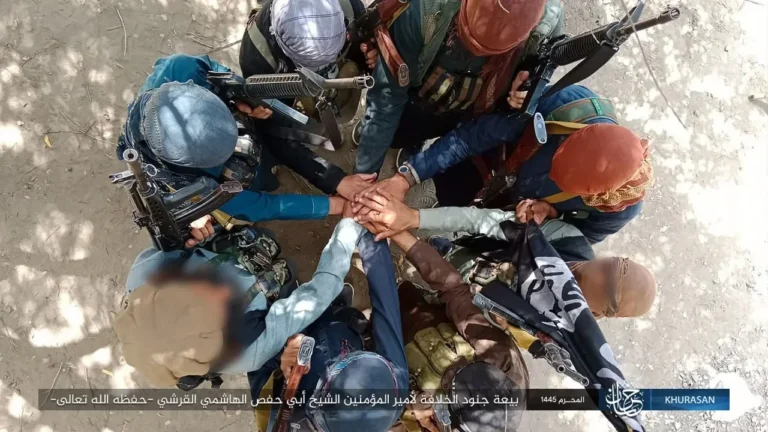
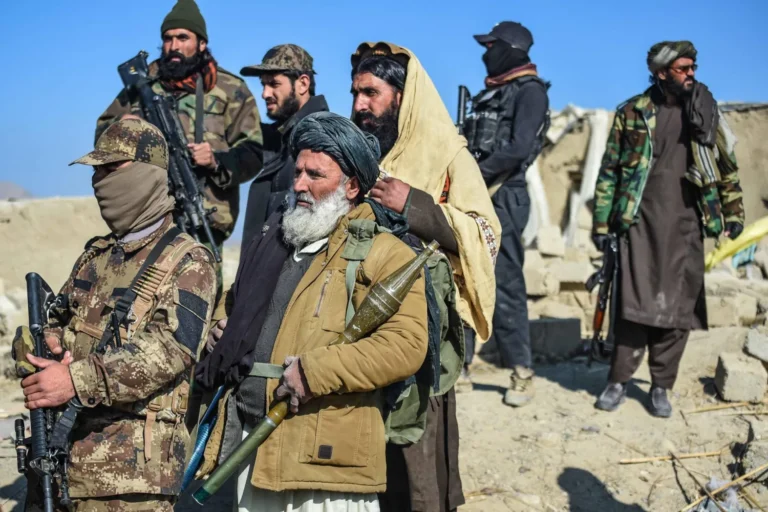
That claim, repeated by Taliban spokespersons almost ritualistically, is not credible. The 16th report of the UN Analytical Support and Sanctions Monitoring Team, published in December 2025, stated categorically that a wide range of UN member states consistently confirm the presence of ISKP, TTP, Al Qaida, ETIM/TIP, Jamaat Ansarullah, and others in Afghanistan. The UN’s successive monitoring reports, the 35th, 36th, and 37th, estimate that between 13,000 and 23,000 terrorist fighters operate from Afghan territory, with approximately 6,000 to 6,500 TTP fighters and their families based in eastern Afghanistan alone. These are not Pakistani intelligence figures. These are international assessments produced by bodies whose credibility the Taliban itself seeks when it argues for diplomatic recognition.
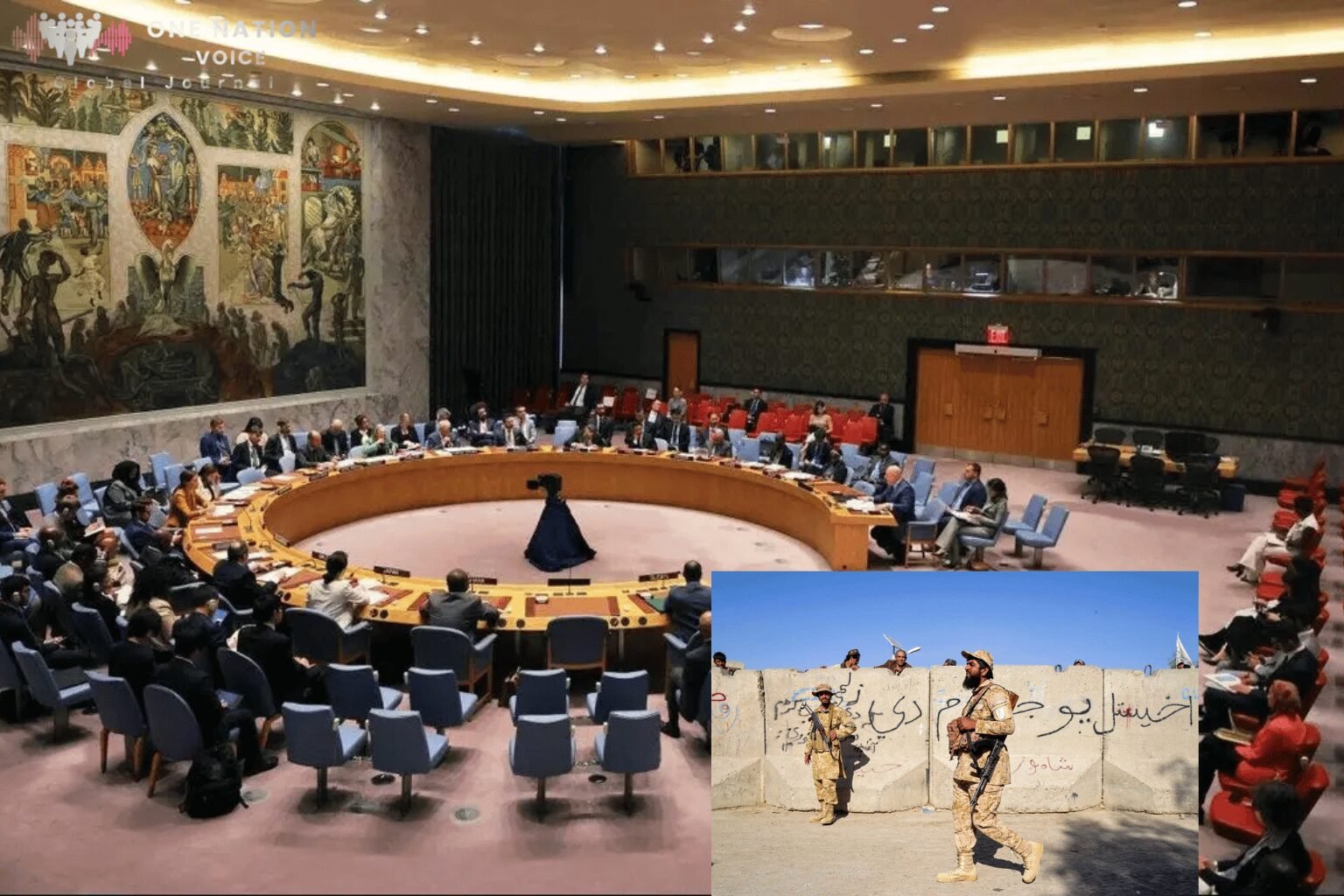
The European statements matter precisely because they converge with what a remarkably broad coalition of nations has been saying at the UN Security Council. Russia has warned that Afghanistan hosts over 20 terrorist organisations and between 18,000 and 23,000 armed fighters, including thousands of ISKP cadres. China, which has economic and security stakes in Afghan stability, has repeatedly called for action against TTP, ETIM, Al Qaida, and ISKP, and Beijing’s frustration with Kabul’s inaction has reportedly grown sharper through 2025. The United States, while no longer militarily present in Afghanistan, has criticised the Taliban regime for sheltering terrorist groups and failing to honour counterterrorism commitments. Under the 2020 Doha Agreement, the Taliban explicitly committed to denying sanctuary, financing, and recruitment support to groups that threaten other nations. By the assessment of virtually every international monitoring body, that commitment remains unfulfilled.
The consequences have not been abstract. Pakistan has endured hundreds of deaths from TTP attacks in 2025 alone, with tens of thousands displaced in ensuing conflict. Pakistan’s military operations reflect the accumulated cost of a neighbour that has been unable or unwilling to stop cross border terrorism. The broader international community, through the UN, the Shanghai Cooperation Organisation, the CSTO, and multilateral formats including the Moscow Consultations, increasingly frames Afghanistan not as a fragile state requiring gentle encouragement but as an active hub for terrorist recruitment, facilitation, financing, and cross border operations.
Perhaps nothing exposed the hollowness of Taliban counterterrorism claims more starkly than the discovery of Al Qaida leader Ayman al Zawahiri in a Taliban controlled safe house in Kabul, a revelation that shattered any remaining illusion that Kabul’s assurances could be taken at face value. If the Taliban regime was sheltering the world’s most wanted terrorist in its capital, what confidence can the international community have that lesser known but operationally active organisations, including the Khawarij elements striking Pakistan daily, are being denied similar hospitality?
Europe’s evolving position deserves recognition for what it is: not a new geopolitical calculation, but a belated alignment with documented reality. The EU Institute for Security Studies has noted that the Taliban’s networks are transnational, not purely local, and that the assumption of a purely domestic Taliban agenda fundamentally misreads the organisation’s historical ties to Al Qaida, ISKP, and affiliated groups. In May 2025, the United States also began seriously weighing whether to formally designate the Taliban as a foreign terrorist organisation, a designation that, if applied, would have sweeping implications for the regime’s already tenuous international standing.
The Taliban’s response to all of this has been rhetorical denial and occasionally diplomatic frustration. But denial, however persistent, does not constitute a counterterrorism policy. The international community’s patience, across Europe, Asia, and the Americas, is reaching a coherent endpoint.
The regime in Kabul faces a choice it has been deferring since 2021: honour the commitments made at Doha by dismantling the terrorist infrastructure operating from Afghan territory, or accept that its path to any form of international normalisation is permanently blocked.
For Pakistan, the European acknowledgment of its legitimate security concerns is a meaningful diplomatic development. For the wider world, the growing convergence of positions among the UK, EU, US, Russia, and China sends an unambiguous signal:
the presence of terrorist networks in Afghanistan is no longer a Pakistani complaint to be mediated, it is a global security problem that demands accountability, transparency, and action from those who hold territorial control in Kabul.
Words from European envoys must now translate into coordinated pressure. The Doha commitments were not aspirational, they were conditions. It is past time they were treated as such.
Disclaimer:
The views and opinions expressed in this article are exclusively those of the author and do not reflect the official stance, policies, or perspectives of the Platform.

