
BBC Urdu’s AJK Reporting and the Question of Incomplete Journalism
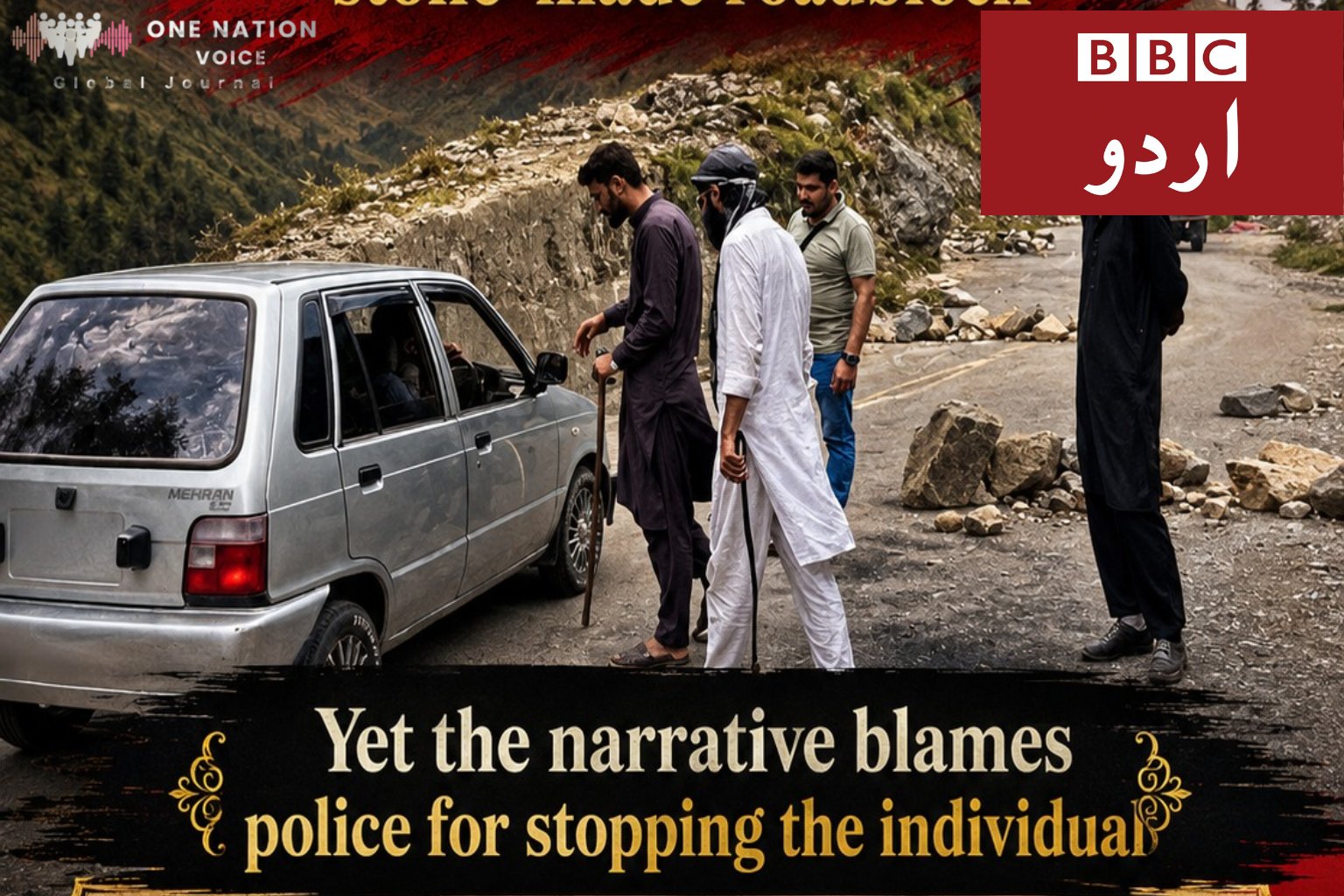
When the Picture Tells a Different Story
The foundational principle of journalism is to present all sides of a story, not only those that reinforce a particular narrative. But when a credible media outlet’s own published photograph contradicts the very report it accompanies, the problem transcends a simple editorial error. It raises a far more serious question: are we witnessing the deliberate construction of a one sided narrative?
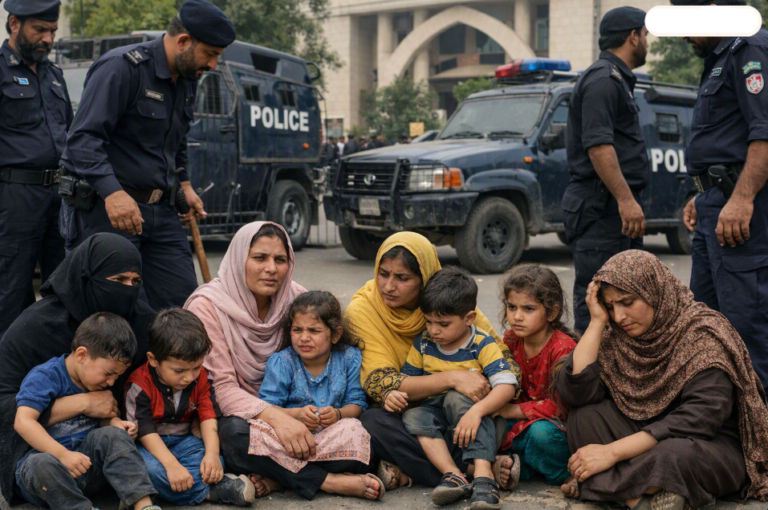
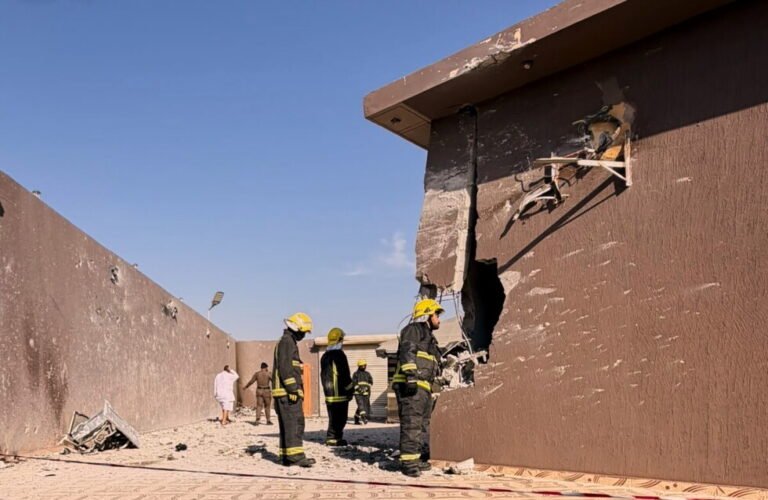
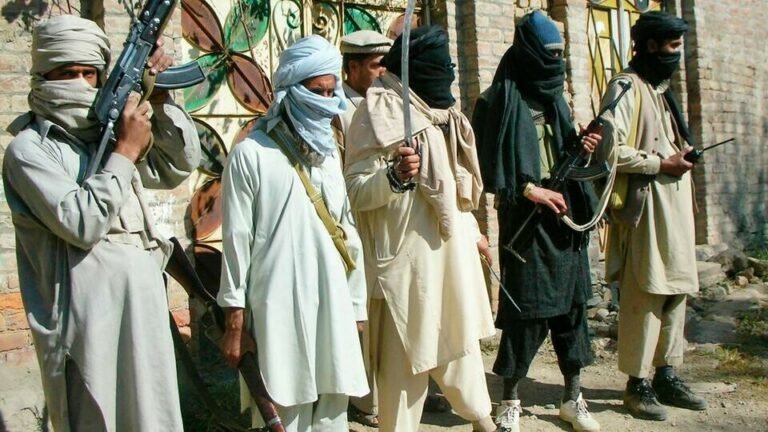
BBC Urdu’s recent coverage of Azad Jammu and Kashmir (AJK) placed the blame squarely on law enforcement agencies for the hardships facing the region’s population. Yet the photograph published alongside that very report tells a strikingly different story: men in civilian clothes, holding sticks, standing at a stone made roadblock. These individuals are identified as elements associated with the now proscribed Joint Awami Action Committee (JAAC).
When your own image contradicts your own text, the reader is owed an explanation.
JAAC: Background and Escalating Conduct
The Joint Awami Action Committee emerged in 2023 as a grassroots civil society coalition comprising traders, lawyers, students, and transporters, initially mobilizing against soaring electricity bills and wheat flour shortages in AJK.
In May 2024, following six days of protests, sit ins, and a long march toward Muzaffarabad, the federal government responded with a substantial Rs 23 billion grant and announced subsidized utility and flour prices.
By September 2025, JAAC unveiled a 38 point charter of demands and launched a region wide strike. The resulting clashes left nine people dead, including three police officers, and over 200 injured.
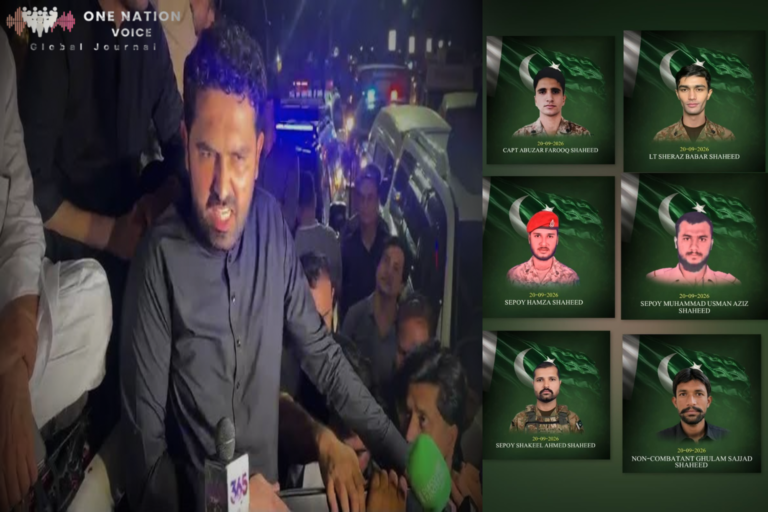
In June 2026, the AJK government formally proscribed JAAC under the Anti Terrorism Act, accusing it of terrorism, hatred, and anarchy. According to AJK police, armed members linked to JAAC carried out a premeditated attack in Rawalakot, killing four officers and wounding twenty others.
Roadblocks, Artificial Scarcity and Pre Planned Strategy
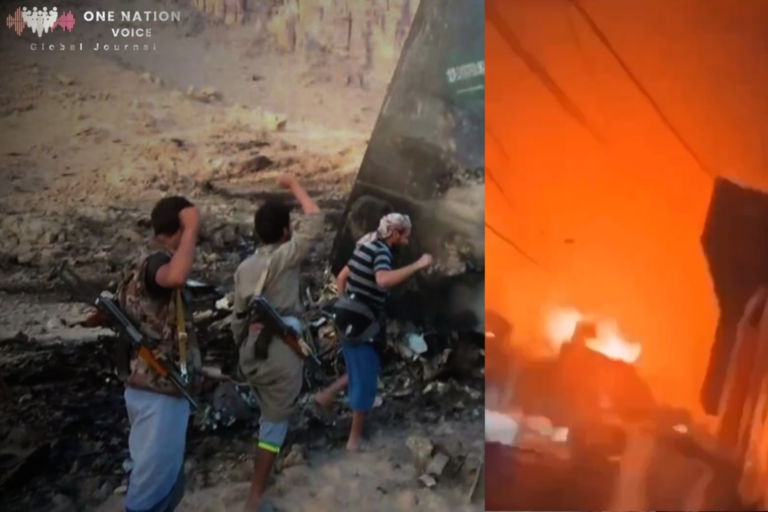
The scarcity of food, medicine, fuel, and transport highlighted by BBC Urdu did not materialize from nowhere. JAAC’s own directives, instructing the public to stockpile rations, followed by shutter down strikes and road blockades, paint a clear picture of deliberate supply disruption.
This is a recognized method of coercive protest globally, inflicting hardship on ordinary citizens to maximize pressure on governments. But attributing the resulting civilian suffering entirely to the state, while omitting mention of the organization that engineered those conditions, is selective storytelling.
The Narrative Gap and Demand for Accountability
The Human Rights Commission of Pakistan (HRCP) expressed concern and called for impartial investigations into all deaths. Crucially, HRCP cautioned that proscribing popular movements risks narrowing democratic space.
Credible international reporting demands that if protest leaders are quoted, so too must be the state’s position. If civilian casualties are front paged, the killing of police officers cannot be buried. If roads are blocked, the agency behind that blockade must be named.
The Larger Obligation of International Media
The legitimate grievances of AJK’s population are real: electricity tariffs, wheat prices, political representation, refugee seat allocations, and resource rights.
But there is a distinction between a civic movement demanding rights and an organization whose members erect armed roadblocks, direct civilians to hoard supplies, violate agreements, and attack security forces.
Before publishing allegations against any state, responsible journalism requires verification of facts, fair representation, and an honest reckoning with evidence. BBC Urdu’s own photograph provided precisely that evidence. The report chose to look away.
When the picture itself bears witness, the story has an obligation to tell the truth.
Disclaimer:
The views and opinions expressed in this article are exclusively those of the author and do not reflect the official stance, policies, or perspectives of the Platform.

