
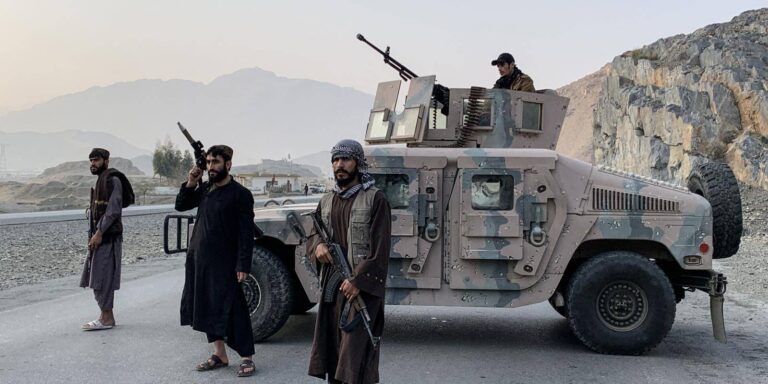

Al Jazeera’s Words, Balochistan’s Wounds
When people in Balochistan hear the word “narrative,” they often roll their eyes. For them, this is not a debate club topic. It is a question of who lives and who dies, who gets to travel safely, who can send a child to school without fear. Yet the truth is that narratives do matter, because they shape what the world notices, what it ignores, and which victims get sympathy. In Pakistan, the frustration is growing that global media and some foreign actors treat violence in Balochistan as a political storyline rather than the terrorism many locals believe it is.
The heart of the complaint is simple. Groups that kill civilians should be called terrorists, not “separatists,” not “insurgents,” not “gunmen,” not “unknown attackers.” The words are not harmless. They decide whether the audience sees a moral crime or a political dispute. When headlines avoid clear labels, they soften the horror for people far away, and they leave victims feeling unseen. This is why critics accuse Al Jazeera of washing violence with language that sounds academic and distant.
Supporters of such wording say it keeps reporting neutral. But neutrality is not the same as vagueness. A report can be fair and still be precise. If a group bombs a market or shoots workers, the act is not neutral. It is a deliberate attack on innocents. Labeling that as terrorism is not biased; it is accurate.
The fear in Pakistan is that some outlets, by choosing softer terms, end up giving violent groups the benefit of political framing they have not earned through peaceful methods
Many Pakistanis point to the Baloch Liberation Army as an example. They argue that the BLA’s method is not debate or elections, it is murder. They say its targets include security forces and civilians, and they view its aim as creating instability through terror. The public anger rises further when people believe outside platforms help amplify the group’s messaging or give it an image that looks like a “movement” rather than a terror network.
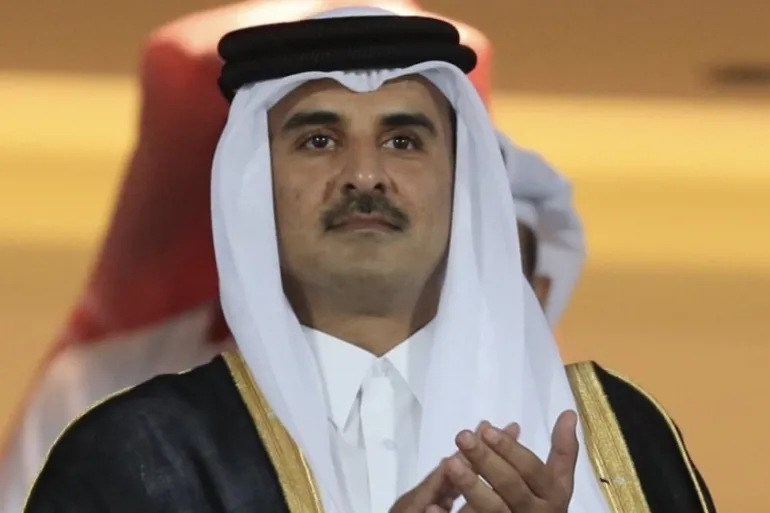
From that anger comes a second accusation, that Qatar, as host country to Al Jazeera and a powerful regional player, is not merely an observer. Critics say Doha benefits from projecting soft power through media, while allowing coverage that harms Pakistan’s image and blurs the nature of violence inside Pakistan. Some go further and claim actual support for militants. That is a serious charge, and serious charges need proof. But even without proving covert funding, there is still a fair question about responsibility. If a state hosts a major broadcaster that shapes opinion across continents, it cannot pretend the broadcaster has no political impact.
This is where the debate gets sharper. Pakistanis ask why the same moral clarity does not show up in all contexts. When violence happens in Europe or the Gulf, words like “terror” appear quickly. When violence happens in Pakistan, the language becomes cautious and indirect.
If that pattern is real, it suggests a hierarchy of victims, where some deaths are treated as a global emergency and others as a regional complication. That is not journalism serving truth. That is journalism reflecting power
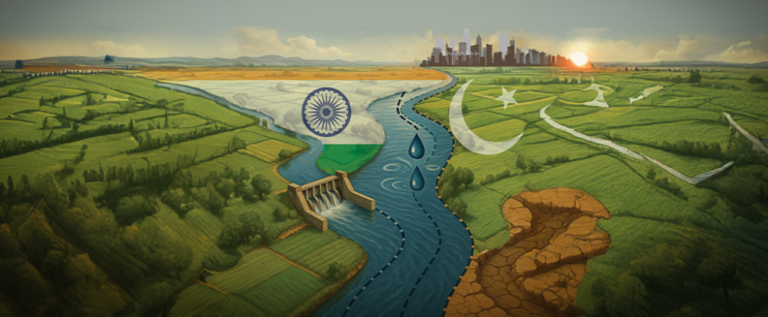
The speaker in your summary also points to the information war with India. Pakistan believes India runs influence campaigns abroad, and many Pakistanis see international coverage through that lens. They argue that certain storylines, especially those focusing only on state failures and ignoring militant crimes, match Indian objectives. Whether or not one accepts this, it is clear that media frames can be used by states, sometimes without the outlet even intending it. A headline that blurs terrorism can be recycled by actors who want to paint Pakistan as uniquely unstable or uniquely oppressive.
Pakistan’s own response, often highlighted by officials and supporters, is the role of the Pakistan Army and other forces in fighting militants. The country has lost many soldiers and police in counterterror operations. Families across Pakistan carry that cost. Critics of foreign coverage say those sacrifices are dismissed or underreported, while militant propaganda gets oxygen. They ask why the story of victims, and of the people trying to stop violence, feels smaller than the story of the violent group’s “cause.”
Still, Pakistan cannot outsource all blame. If it wants the world to accept its framing, it must also earn trust through transparency, rule of law, and credible public evidence when it makes allegations. It must protect civilians during operations, guard against collective punishment, and support political and economic inclusion so militants cannot exploit local grievances.
Terror groups often feed on genuine frustrations, even if their methods are criminal. Addressing root issues does not excuse terror, it helps prevent it
So what would responsible journalism and responsible state behavior look like here. Media outlets should adopt clear, public standards for terms like “terrorist” and apply them consistently, based on actions, not politics. They should show victims with the same care they show causes. They should avoid turning a killer into a “spokesperson” while treating families as background noise. And if Qatar wants to be seen as a fair regional actor, it should welcome scrutiny, cooperate with credible investigations into any terror finance claims, and push for media ethics that do not blur mass violence into polite language.
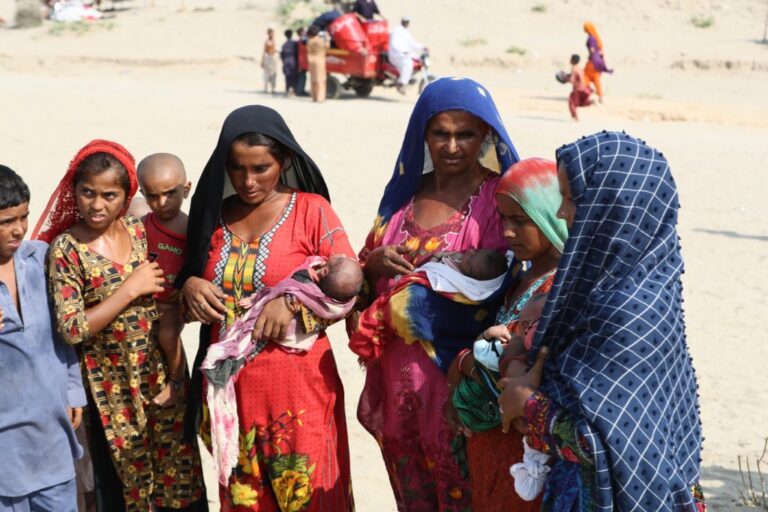
People in Balochistan do not need anyone to “understand” terrorism in theory. They live it. What they ask for is basic moral clarity: call murder what it is, do not dress it up, do not sell it as politics, and do not reward it with soft words. If the world wants to help, it should start by naming the crime honestly, and by refusing to let propaganda, from any side, decide whose suffering counts.

