


Al Qaeda Regroups in Afghanistan under Interim Government Cover
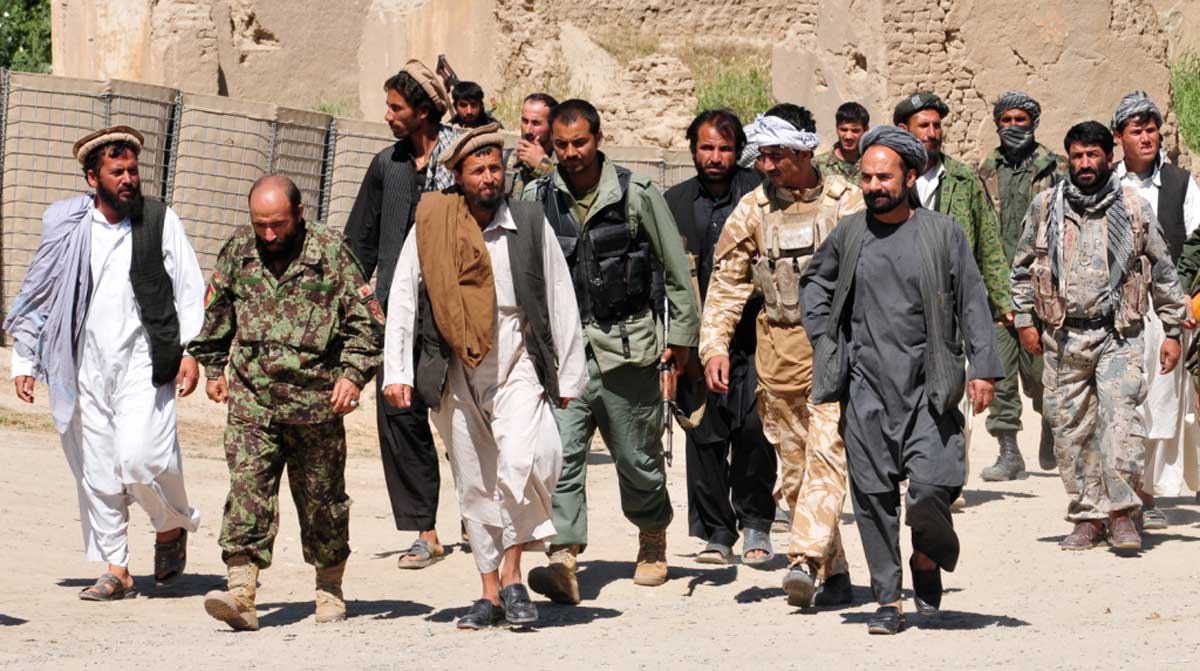
Al Qaeda’s slow regrouping in Afghanistan under elements of the Interim Afghan Government is an alarm that regional states cannot afford to ignore. After years of pressure, the group was pushed into survival mode. Now, a mix of local patronage, political ambiguity, and weak counter terrorism enforcement is giving it something it has lacked for a long time: space. In that space, leadership can meet, plans can mature, and networks can reconnect, all without the constant fear of raids or airstrikes. The picture is not of a defeated organisation, but of one that is learning to live comfortably inside the grey areas of Afghan power politics.
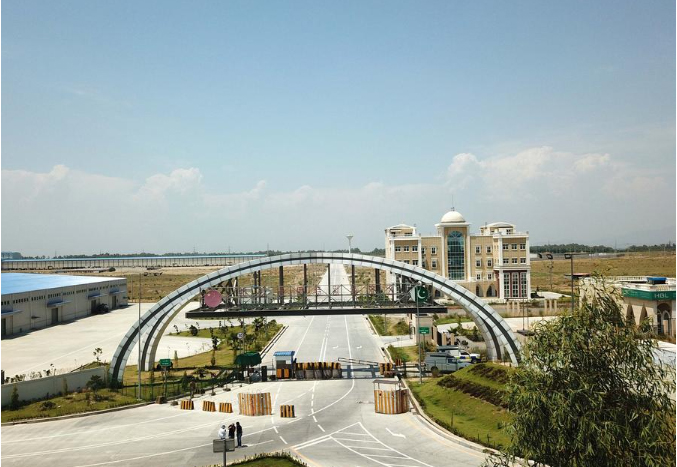
The inflow of Arab foreign fighters into Afghanistan makes this trajectory much more dangerous. Many of these men are veterans of Syria, Iraq, or other battlefields. They arrive with hard combat experience, training in small unit tactics, and familiarity with modern communications and intelligence techniques. They do not cross at formal border posts. Instead, they move along old smuggling routes, helped by local facilitators who are motivated by ideology, money, or tribal ties.
Once inside Afghanistan, they disappear into sympathetic communities or remote camps where the state’s presence is thin or purely symbolic
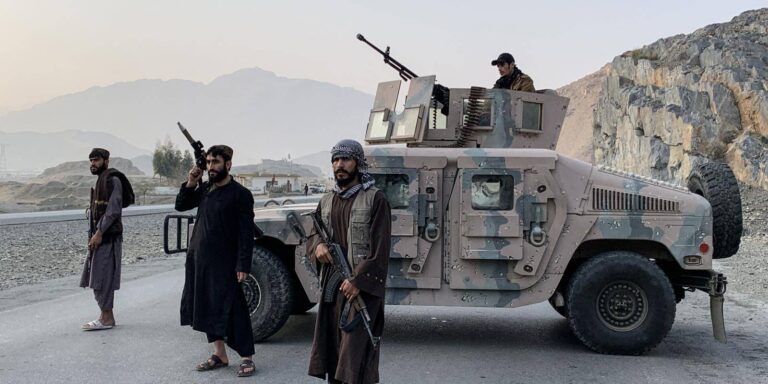
Al Qaeda has always been good at embedding itself inside broader militant ecosystems, and that pattern appears to be repeating. Rather than building visible new camps, it plugs into existing infrastructure, including training sites, guest houses, and logistical hubs that already function under the loose oversight of local power brokers. In such environments, a foreign trainer can run specialist courses inside an existing militant camp without drawing attention. Funding, recruitment, and indoctrination continue under the cover of other armed groups whose interests partly overlap with those of Al Qaeda.
The role of foreign fighters is especially important in the transfer of skills. They bring current knowledge of bomb making, improvised drones, secure communications, and cyber operations. They also carry fresh lessons about how to plan and stage cross-border attacks, how to move money quietly, and how to use online media both for recruitment and for psychological impact. These skills do not stay with the foreigners alone. They are passed to local cadres, who can adapt them to South Asian terrain and political conditions. In effect, every new wave of foreign fighters is a mobile academy for the next generation of militants.
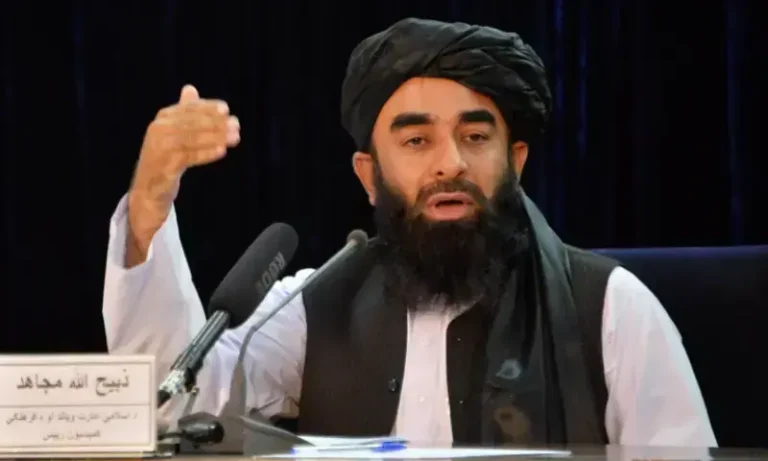
The Interim Afghan Government’s inability or unwillingness to impose real control over these flows deepens the problem. Public statements about respecting counter terrorism commitments are not matched by systematic monitoring of who is moving in remote provinces, who is running camps, or who is funding religious schools that function as recruitment pools. In some cases, local officials share ideological sympathy with transnational jihadist narratives.
In others, they simply see no benefit in confronting groups that do not threaten their immediate hold on power. The result is a permissive environment, not formally declared, but very real in practice
In that permissive space, Al Qaeda is also rebuilding its political capital with local factions. Rather than dominating, it bargains and partners. It offers money, trainers, and external contacts, while local groups offer protection, recruits, and knowledge of the ground. Over time, this web of deals creates a resilient network. Even if one node is hit by a counter terrorism strike, others can absorb the shock. This resilience is what makes the threat not just an Afghan concern, but a regional one.
Porous borders in the region add to the danger. Fighters who have gained skills and contacts in Afghanistan can move into neighbouring states where state control is uneven and governance is weak. They can support dormant cells, help design more lethal attacks, or simply act as links between local outfits and Al Qaeda’s senior leadership.
The line between a local militant group and a transnational network then becomes blurred, which makes it harder for security agencies to map threats accurately
The evidence that this trajectory is real is not confined to classified reports. The pattern itself is familiar. Tacit protection by power holders who value short term stability over long term security, a steady influx of foreign volunteers, the quiet use of existing militant infrastructure, and the steady rise in cross-border rhetoric and plots, together point to a re-emerging transnational threat. To dismiss this pattern as exaggerated would be to forget how similar dynamics played out in the past, with devastating effects far beyond Afghan borders.
If this trend continues, Al Qaeda will not need to control territory in public view to be dangerous again. It will have what it needs: safe pockets for leadership, steady recruitment, technical expertise, and allies who can move across frontiers. That is enough to plan and inspire attacks from South Asia to the Middle East and beyond. Regional states, therefore, have a direct interest in treating the situation in Afghanistan not as a contained domestic issue but as a shared security challenge that demands intelligence sharing, stronger border management, and sustained diplomatic pressure on the Interim Afghan Government to close the space that the group is currently exploiting.

