




How India’s Hydro Ambitions Are Deepening a Regional Crisis
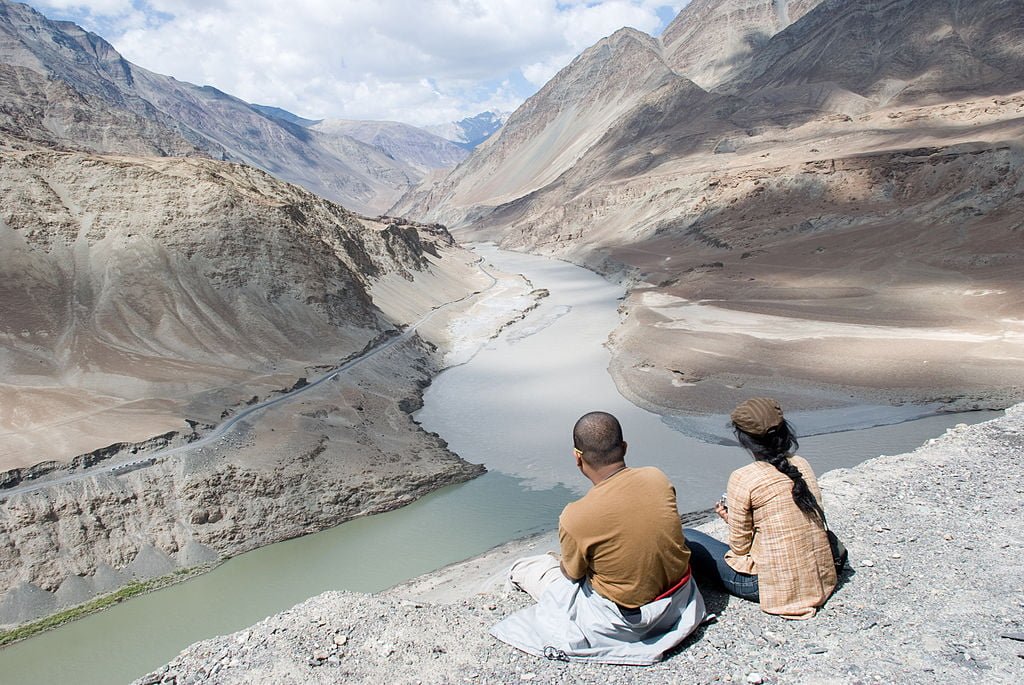
India’s new wave of hydroelectric projects, from the eastern Himalayan ridges of Arunachal Pradesh to the steep gorges of the Chenab in Jammu and Kashmir, has sparked a profound debate about the intersection of energy policy, environmental collapse, and geopolitics. What New Delhi hails as a clean-energy revolution is increasingly perceived by critics as an aggressive, destabilizing, and strategically motivated transformation of shared rivers into instruments of political leverage. At stake is not only the ecological integrity of the subcontinent’s great river basins but the humanitarian security of millions who rely on uninterrupted flows for food, water, and survival. The scale and speed of India’s hydro expansion raise unsettling questions about whether these projects represent development or domination.
The eastern frontier offers a revealing case study of this troubled shift. The Subansiri Lower project, once envisioned as a flagship renewable venture, has instead become a symbol of the dangers inherent in India’s hydro strategy. Its 125-meter dam, plagued by landslides, structural doubts, and exponentially rising costs, from ₹6,285 crore in 2002 to more than ₹26,000 crore, reflects a troubling pattern. As engineers race to exploit the steep gradients of Arunachal Pradesh, the Upper Subansiri, Kamala, and Dibang mega-dams replicate the same risks: seismic vulnerability, inadequate impact assessments, and a disregard for the warnings of scientists and indigenous communities. These are not isolated problems but systemic ones, rooted in a policy environment where strategic urgency routinely eclipses environmental wisdom.
This developmental fervour has now hardened into an ambitious blueprint: 208 new dams across twelve north-eastern sub-basins, projected to generate roughly 65,000 MW. Supporters present this as essential for national energy security and a counterweight to China’s construction near Medog on the upper Brahmaputra. But unlike coordinated river-management regimes elsewhere in the world, the Brahmaputra basin lacks a mechanism for ecological data-sharing, sediment-flow monitoring, or emergency communication protocols. In such an information vacuum, unilateral action becomes indistinguishable from provocation.
Downstream populations, whether in Assam, Bangladesh, or even Himalayan valleys within India itself, face amplified flood unpredictability, altered river courses, and long-term disruptions to livelihoods that depend on stable seasonal flows
The consequences become even more politically charged when one shifts westward to the Chenab River, where India has accelerated construction of the Pakal Dul, Kiru, Kwar, and Ratle dams. Whether by design or neglect, these projects effectively erode longstanding norms under the Indus Waters Treaty (IWT), a rare pillar of stability in the India–Pakistan relationship. Pakistan, heavily dependent on the Indus basin for irrigation and drinking supplies, interprets India’s fast-tracking of these dams and New Delhi’s selective suspension of dispute-resolution processes as a threat to its water security. Critics argue that altering flows during critical agricultural periods, even marginally, could devastate Pakistan’s crop yields, risk drought cycles, and destabilize food systems. It is in this context that observers describe India’s actions as an emerging form of “water warfare”, a strategy that converts hydrological dominance into geopolitical pressure.
Environmental science reinforces these anxieties. Large dams significantly disrupt sediment transport, depriving downstream plains of nutrients essential for agriculture. In the Indus and Brahmaputra deltas, where soil fertility is already strained by climate stress, such sediment trapping accelerates land degradation. Similarly, fish migration pathways, vital for riverine biodiversity and for the food security of tribal communities, are blocked by high dams and diversion tunnels, pushing species toward rapid decline. Hydro blasting and tunnelling destabilize canyon walls, increasing the frequency of landslides and reservoir-induced tremors in some of the world’s most earthquake-prone regions. It is not an exaggeration to say that the cumulative environmental impact of India’s hydro expansion could produce more instability than any short-term energy gains.
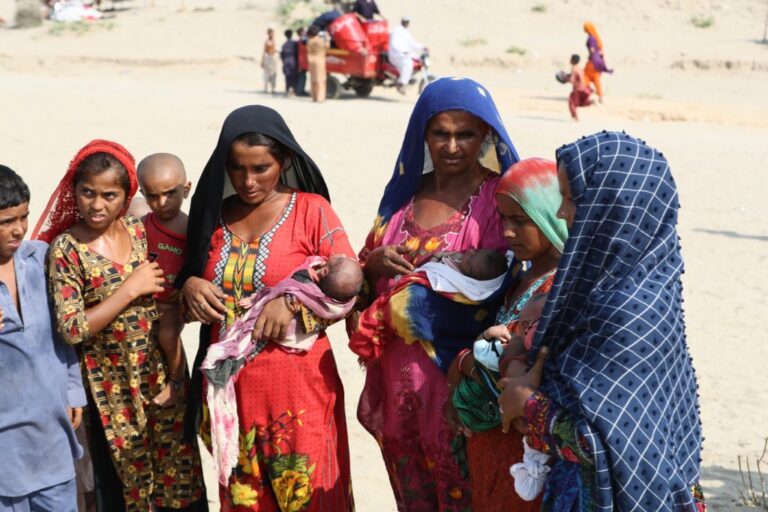
But the humanitarian costs are perhaps the most overlooked and the most tragic. Thousands of tribal families in Arunachal Pradesh, Kashmir, and Himachal Pradesh face repeated cycles of displacement as land is acquired for project sites, transmission corridors, and new townships. Many receive inadequate compensation, and some receive none at all. More importantly, the destruction of ancestral forests, sacred sites, and community-managed commons represents a cultural erasure that cannot be quantified in monetary terms. Critics argue that this violates international norms of free, prior, and informed consent and directly undermines the right to life and livelihood enshrined in constitutional and humanitarian frameworks.
For communities that have historically acted as custodians of Himalayan ecosystems, the hydro rush represents a profound betrayal
What turns these concerns into a crisis is the absence of transparency and democratic oversight. Public hearings are often perfunctory, environmental clearances are fast-tracked, and cost-benefit analyses routinely ignore downstream or cross-border impacts. Independent scientific assessments are sidelined, replaced by politically convenient narratives of national security and development. This erosion of accountability is not just environmentally irresponsible; it is strategically reckless. Himalayan hydrology is notoriously unpredictable; climate change is amplifying glacial melt, extreme rainfall, and flash floods. Building dozens of mega-dams amid such volatility amounts to gambling with the lives of millions.
Even more alarming is the emerging militarization of hydropower, epitomized by the approval of a 700 MW project near the disputed China border. In a region where infrastructure is already tied to strategic signalling, such decisions blur the line between development and defence. Instead of fostering cooperation on shared rivers, nature’s most powerful force for regional interdependence, India appears to be building a hydrological buffer zone that heightens mistrust across all its borders.
There is still time for a course correction. India could adopt smaller-scale, low-impact hydro models, invest in decentralized renewable grids, and engage in cooperative water governance with its neighbours. It could prioritize ecological resilience over symbolic megaprojects and respect the voices of indigenous communities who have long served as guardians of river ecosystems. But unless such a shift occurs, India’s hydroelectric expansion risks becoming a defining symbol of environmental neglect, humanitarian harm, and escalating geopolitical tension. Rivers can nourish civilizations, but when mismanaged, they can also ignite crises powerful enough to redraw regional destinies.