


How ISKP Finds Cover Under TTP in Afghanistan
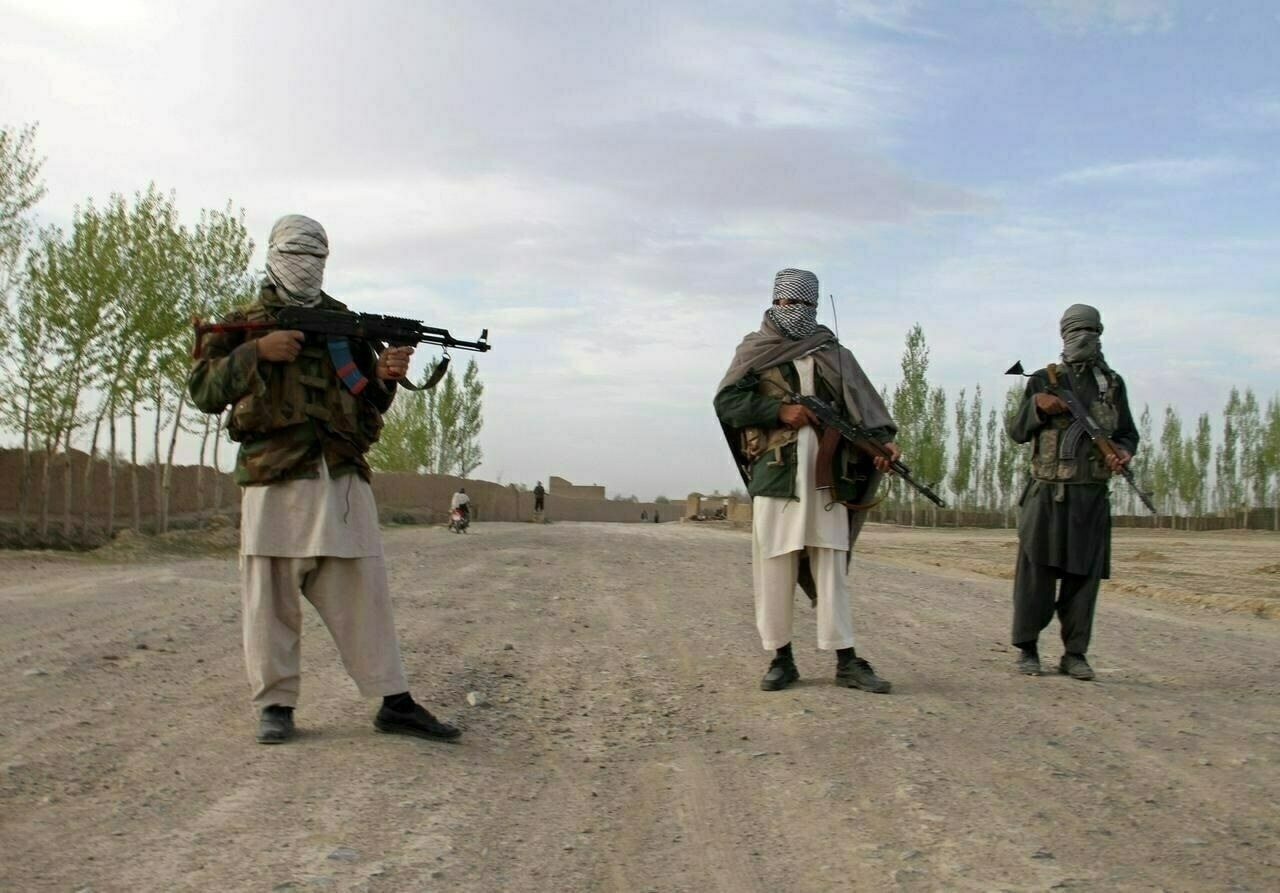
The idea that surrendered or fleeing ISKP fighters can simply vanish is a comforting myth, and it is one that the region cannot afford. When militant groups are hit by arrests, raids, and financial pressure, they do not evaporate. They relocate, rebrand, and, most often, they embed themselves inside networks that already have shelter, logistics, and local cover. In Afghanistan today, the most obvious absorber is TTP. That is not a sensational claim; it is the predictable result of how insurgent ecosystems behave when the state is weak, borders are porous, and ideology overlaps.
Recent United Nations sanctions monitoring reporting is blunt about the core problem: the Afghan Taliban’s public insistence that no terrorist groups operate in or from Afghan territory is “not credible,” and member state reporting continues to place a wide range of groups inside Afghanistan, including ISIL K and TTP. The same reporting notes that more than 20 international and regional groups remain active in the country and, with the exception of ISIL K, most try to maintain workable relations with the Taliban.
This matters because it frames Afghanistan not as a tightly governed counterterror space, but as a permissive arena where networks survive by cooperation, quiet deals, and selective enforcement
Pakistan’s pressure on ISKP has been real, and it has had effects, including disruption of plots and the neutralization or arrest of key operatives, according to the same UN reporting. But pressure creates movement. Fighters shift across the border, blend into communities, and look for friendly cover. Some may be detained by local authorities, but the region has a transparency problem: arrests and releases are rarely explained, chains of custody are opaque, and verification is limited. In that fog, the most dangerous outcome is not a dramatic jailbreak; it is quiet absorption.
The strongest clue sits in an earlier UN monitoring report that described a specific mechanism of absorption: arrangements for ISIL K prisoners to be released on the condition that they join TTP. That single detail should end any debate about whether pathways exist for ISKP elements to slide under the TTP umbrella. It also explains why senior TTP figures have incentives to avoid direct confrontation with ISKP remnants inside Afghanistan. When your primary objective is the Pakistani state, fighting every rival faction is a distraction, and every defector is a potential asset. The same UN reporting adds that Taliban funding and pressure on TTP is calibrated partly out of fear that excessive pressure could push TTP toward collaboration with ISIL K, and that TTP leadership keeps a backdoor line of communication open. That is not the language of groups preparing for a clean split. It is the language of managed coexistence. In parallel, the latest UN monitoring report points to “opportunistic links” between ISIL K and TTP, and it describes concerns about infiltration and ideological alignment because former fighters from various terrorist groups have been absorbed into local security forces.
Put these pieces together, and a pattern emerges: the Taliban may hit ISKP tactically in some areas, but the wider system still allows militants to circulate, switch labels, and find cover inside adjacent factions
TTP, for its part, is not an underground rumor. The UN monitoring report describes continued Taliban harboring of TTP leadership in Afghanistan and notes that the Taliban are unlikely to confront TTP and may lack the ability to do so even if they wanted to. If TTP can operate with that degree of protection and space, then sheltering surrendered ISKP elements becomes less a question of capability and more a question of convenience. Ungoverned spaces are not always areas with no rulers. They are often areas where rulers choose not to police certain actors, or where local powerbrokers treat armed groups as bargaining chips.
This is why the narrative that Pakistan “harbors” ISKP is strategically outdated. Pakistan’s counterterror operations have degraded ISKP capability, and the UN monitoring report explicitly attributes disruption to operations by Pakistan and the de facto authorities, even as it warns that ISIL K remains resilient. The more urgent reality is that Afghanistan’s permissive environment lets terrorist groups cooperate and recycle manpower. That is what creates an enduring threat, not one country’s propaganda talking point.
If regional governments want to reduce the risk, they should stop treating militant groups as separate boxes and start treating them as a labor market. Fighters flow toward safety, money, and status. When ISKP takes hits, some of its people will flee, some will hide, and some will sell their skills to whoever offers protection. In Afghanistan, TTP is positioned to buy that labor. The outcome is a stronger, more flexible extremist ecosystem that can survive losses, regroup, and keep attacking.
The most uncomfortable conclusion is also the simplest: if surrendered ISKP elements are being sheltered by TTP in Afghanistan, it is not because of a sudden alliance announcement. It is because the ground reality rewards quiet cooperation, and the current enforcement environment does not punish it. Until that changes, every crackdown will create a spillover, and every spillover will feed the next wave.

